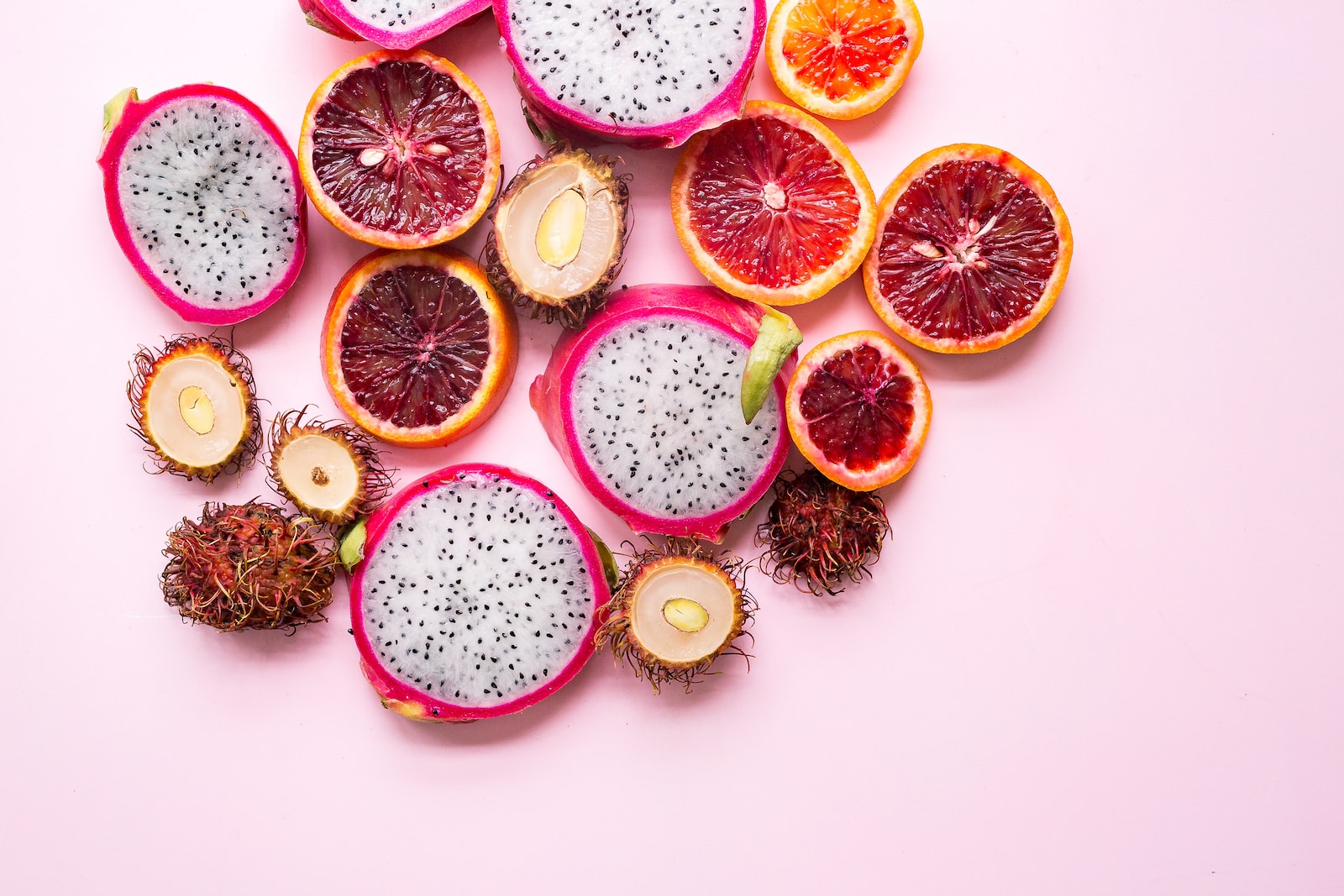
Plant-Powered Progress: Elevate Weight Loss with a Vegan Diet
admin
In recent years, the popularity of vegan diets has skyrocketed, not only due to ethical concerns but also because of the numerous health benefits associated with plant-based eating. One of the significant advantages of adopting a vegan diet is its potential to aid in weight loss. By focusing on whole, plant-based foods while eliminating animal products, individuals can not only shed excess pounds but also improve their overall well-being. This article delves into the world of veganism as a powerful tool for weight loss, exploring the benefits, tips, and considerations to bear in mind.
The Power of Plants for Weight Loss
1. Nutrient-Dense and Low in Calories
A vegan diet primarily consists of fruits, vegetables, whole grains, legumes, nuts, and seeds. These foods are rich in essential vitamins, minerals, and fiber while being relatively low in calories. By incorporating such nutrient-dense foods into your diet, you can achieve satiety while consuming fewer calories, providing an excellent foundation for weight loss.
- Fruits and vegetables are packed with essential vitamins and minerals, such as vitamin C, vitamin A, potassium, and folate, which support overall health and wellbeing.
- Whole grains, such as quinoa, brown rice, and oats, are high in fiber and provide sustained energy throughout the day.
- Legumes, such as beans, lentils, and chickpeas, are excellent sources of protein, fiber, and iron, making them a filling and nutritious addition to a vegan diet.
- Nuts and seeds, such as almonds, chia seeds, and flaxseeds, are rich in healthy fats, protein, and omega-3 fatty acids, which promote satiety and heart health.
2. Increased Fiber Intake
Fiber plays a vital role in weight management as it aids in digestion, promotes feelings of fullness, and regulates blood sugar levels. Vegan diets naturally contain higher amounts of fiber, as plant-based foods are generally abundant in this essential nutrient. By consuming more fiber, you can curb overeating, regulate your appetite, and maintain a healthier weight.
- Fiber adds bulk to your diet, making you feel fuller for longer periods, reducing the likelihood of overeating or snacking on unhealthy foods.
- It slows down the digestion process, preventing rapid spikes in blood sugar levels and promoting stable energy levels throughout the day.
- High-fiber foods, such as vegetables, fruits, whole grains, and legumes, also tend to be lower in calories, allowing you to consume larger portions without exceeding your daily calorie intake.
3. Reduced Consumption of Processed Foods
A vegan diet often discourages the consumption of processed foods, such as sugary snacks, refined grains, and high-fat animal products. These foods tend to be calorie-dense and nutrient-poor, which can hinder weight loss efforts. By following a vegan lifestyle, you are more likely to opt for whole, plant-based foods, which are generally lower in calories and higher in nutrients, aiding in weight management.
- Processed foods are often high in added sugars, unhealthy fats, and sodium, which can contribute to weight gain and various health issues.
- By focusing on whole, plant-based foods, you can avoid the empty calories and artificial additives commonly found in processed foods.
- Instead, you can nourish your body with nutrient-dense options, such as fresh fruits, vegetables, whole grains, and plant-based proteins, which provide essential vitamins, minerals, and antioxidants.
4. Enhanced Insulin Sensitivity
Plant-based diets have been linked to improved insulin sensitivity, which is crucial for maintaining stable blood sugar levels. By consuming fewer animal products, especially high-fat and processed ones, individuals can reduce their risk of developing insulin resistance. Improved insulin sensitivity promotes better glucose regulation and can contribute to weight loss.
- Animal products, such as meat and dairy, are often high in saturated fats, which can lead to insulin resistance and an increased risk of type 2 diabetes.
- Plant-based diets, on the other hand, are naturally low in saturated fats and high in fiber, which can improve insulin sensitivity and promote better blood sugar control.
- By adopting a vegan diet, you can decrease your reliance on insulin and potentially reduce the risk of developing chronic diseases associated with insulin resistance.
Practical Tips for Effective Weight Loss on a Vegan Diet
1. Prioritize Whole, Plant-Based Foods
To maximize the benefits of a vegan diet for weight loss, focus on whole, unprocessed plant-based foods. Incorporate a wide variety of colorful fruits and vegetables, whole grains, legumes, nuts, and seeds into your meals. These foods are not only nutrient-dense but also highly satiating, helping you maintain a calorie deficit for weight loss.
- Fill your plate with a variety of fruits and vegetables, aiming for at least five servings per day. Include leafy greens, berries, citrus fruits, cruciferous vegetables, and colorful produce to ensure a diverse range of nutrients.
- Choose whole grains, such as quinoa, brown rice, whole wheat bread, and oats, over refined grains to increase your fiber intake and promote better digestion.
- Incorporate legumes, such as beans, lentils, and chickpeas, into your meals as a source of plant-based protein, fiber, and essential minerals.
- Snack on nuts and seeds, such as almonds, walnuts, chia seeds, and flaxseeds, for a boost of healthy fats, protein, and omega-3 fatty acids.
2. Embrace Protein-Rich Plant Foods
Protein is an essential macronutrient in any diet, including a vegan one. Ensure sufficient protein intake by incorporating plant-based sources such as legumes (beans, lentils, chickpeas), tofu, tempeh, seitan, and edamame. Protein-rich foods help preserve lean muscle mass, promote satiety, and contribute to a healthy metabolism.
- Legumes, including beans, lentils, and chickpeas, are versatile plant-based protein sources that can be incorporated into various dishes, such as soups, stews, salads, and even burgers.
- Tofu, tempeh, and seitan are plant-based alternatives to meat and are rich in protein. These can be used in stir-fries, sandwiches, wraps, and other savory dishes.
- Edamame, which are young soybeans, can be enjoyed as a snack, added to salads, or used in Asian-inspired recipes for an extra protein boost.
3. Monitor Your Calorie Intake
While a vegan diet can naturally support weight loss, it’s still important to be mindful of your overall calorie intake. Even though plant-based foods are generally lower in calories, overeating can hinder your progress. Tracking your calories using a food diary or mobile app can be helpful in maintaining a calorie deficit and achieving your weight loss goals.
- Determine your daily calorie needs based on your age, gender, weight, height, and activity level. This will give you a rough estimate of how many calories you should be consuming to lose weight.
- Use a food diary or a mobile app to track your daily food intake, including portion sizes. This will help you become more aware of your calorie consumption and identify areas where you can make adjustments.
- Be mindful of portion sizes, especially with higher-calorie plant-based foods such as nuts, seeds, avocados, and oils. While these foods are healthy, they are also calorie-dense, so it’s important to consume them in moderation.
4. Incorporate Regular Physical Activity
For optimal weight loss, combine your vegan diet with regular exercise. Engage in activities you enjoy, such as cardio exercises, strength training, or yoga, for at least 150 minutes per week. Physical activity not only burns calories but also improves overall fitness, boosts metabolism, and supports sustainable weight loss.
- Aim for at least 150 minutes of moderate-intensity aerobic activity, such as brisk walking, cycling, swimming, or dancing, each week.
- Incorporate strength training exercises, such as weightlifting or bodyweight exercises, two to three times a week to build lean muscle mass and increase your metabolism.
- Consider adding yoga or other flexibility exercises to improve mobility, reduce stress, and enhance overall well-being.
5. Stay Hydrated and Mindful of Beverages
Water is essential for overall health, including weight management. Staying adequately hydrated can help control appetite, prevent overeating, and support proper digestion. Additionally, be mindful of high-calorie beverages, including sugary sodas, fruit juices, and alcoholic drinks, as they can sabotage weight loss efforts.
- Drink at least 8 cups (64 ounces) of water per day, or more if you are physically active or live in a hot climate. Carry a reusable water bottle with you to stay hydrated throughout the day.
- Opt for herbal tea, unsweetened plant-based milk, or infused water for added flavor without the extra calories.
- Limit your intake of sugary beverages, including soda, energy drinks, and fruit juices. These drinks are often high in added sugars and can contribute to weight gain.
Considerations and Potential Challenges
While a vegan diet can be highly beneficial for weight loss, it is important to consider a few potential challenges:
1. Nutrient Deficiencies
Eliminating animal products from the diet requires careful planning to ensure adequate intake of essential nutrients, such as vitamin B12, iron, calcium, and omega-3 fatty acids. To address these concerns, consider consulting a registered dietitian or nutritionist who can help create a well-balanced vegan meal plan.
- Vitamin B12 is primarily found in animal products, so it’s essential to supplement or consume fortified foods to meet your needs.
- Iron from plant-based sources is less readily absorbed by the body, so it’s important to pair iron-rich foods with vitamin C-rich foods to enhance absorption.
- Calcium can be obtained from plant-based sources such as fortified plant-based milk, tofu, leafy greens, and calcium-set tofu.
- Omega-3 fatty acids can be sourced from flaxseeds, chia seeds, walnuts, and algae-based supplements.
2. Emotional and Social Impact
Adopting a vegan lifestyle can have emotional and social implications, as it may require navigating different food choices and potential conflicts in social settings. It’s important to find support from like-minded individuals, join vegan communities, or seek guidance from professionals to help navigate these challenges seamlessly.
- Connect with other vegans through online platforms, local meetups, or social media groups to share experiences, recipes, and tips for maintaining a vegan lifestyle.
- Educate yourself about the ethical, environmental, and health benefits of veganism to strengthen your commitment and handle potential social challenges with confidence.
- Communicate your dietary choices to friends and family members in a respectful and informative manner, emphasizing the positive aspects of a vegan lifestyle.
3. Gradual Transition
For individuals accustomed to a non-vegan diet, transitioning to a fully plant-based lifestyle can be overwhelming. Consider making gradual changes, such as incorporating more plant-based meals into your routine or dedicating specific days of the week to vegan eating, to ease the transition and make it more sustainable.
- Start by replacing one or two animal-based meals per week with vegan alternatives. Experiment with new plant-based recipes and gradually increase the frequency of vegan meals.
- Explore different cooking methods, flavors, and spices to make plant-based foods more enjoyable and satisfying.
- Gradually phase out animal products from your pantry and replace them with vegan alternatives, such as plant-based milk, tofu, tempeh, and legumes.
Conclusion
Embracing a vegan diet can be a powerful tool for weight loss and overall well-being. By focusing on nutrient-dense, whole, plant-based foods, individuals can experience the benefits of increased fiber intake, reduced calorie consumption, and improved insulin sensitivity. However, it is crucial to consider potential challenges such as nutrient deficiencies and the emotional/social impact of adopting a vegan lifestyle. With proper planning, support, and a gradual transition, a vegan diet can serve as a sustainable and effective approach to elevate weight loss and achieve optimal health.
FAQ
1. What are the benefits of a vegan diet for weight loss?
A vegan diet can aid in weight loss by providing nutrient-dense and low-calorie foods, increasing fiber intake, reducing consumption of processed foods, and enhancing insulin sensitivity.
2. How can fiber intake contribute to weight loss on a vegan diet?
Fiber promotes feelings of fullness, aids in digestion, and regulates blood sugar levels. Vegan diets naturally contain higher amounts of fiber, which can help curb overeating, regulate appetite, and maintain a healthier weight.
3. What practical tips can help with weight loss on a vegan diet?
To maximize weight loss on a vegan diet, prioritize whole, plant-based foods, embrace protein-rich plant foods, monitor calorie intake, incorporate regular physical activity, and stay hydrated while being mindful of high-calorie beverages.
4. What considerations should be kept in mind when adopting a vegan diet for weight loss?
When adopting a vegan diet for weight loss, it’s important to address potential challenges such as nutrient deficiencies, emotional and social impact, and the need for a gradual transition. Consulting a registered dietitian or nutritionist can help ensure a well-balanced vegan meal plan.