Category: Science & Technology

Hearing Loss Tech: Innovations Shaping the Future

abbie_c | April 17th, 2025


Last Updated on 16/04/2025 by Admin

Transformative Innovations Shaping the Future of Hearing Loss Technology

Recent technological advancements are revolutionizing the way we approach hearing loss. The remarkable evolution of hearing aids serves as a testament to our progress and a glimpse into the future. The next generation of hearing loss technology transcends mere amplification; it focuses on crafting a seamless auditory experience that integrates effortlessly into the daily lives of users across the globe, enhancing their overall quality of life.

Compact Design and Enhanced Comfort in Hearing Devices

Sleek, nearly invisible hearing aids resembling modern wireless earbuds, enhancing comfort and appeal.

Visualize a scenario where hearing aids are as discreet and comfortable as modern wireless earbuds. The latest strides in miniaturization have yielded devices that are nearly invisible, significantly enhancing the user experience. Gone are the days when bulky devices deterred individuals from seeking assistance; today’s models are sleek, stylish, and ergonomically designed to contour perfectly to the ear, enhancing their appeal to a wider demographic, particularly younger users who may have previously avoided such technology.

The focus on comfort is paramount. When hearing aids feel lightweight and unobtrusive, users are more inclined to wear them consistently, leading to improved outcomes in hearing health. Manufacturers are utilizing advanced materials that not only boost comfort but also facilitate extended wear, enabling individuals to participate in social interactions without feeling self-conscious about their devices. This shift towards comfort and usability is essential for encouraging adherence to hearing loss treatment.

Moreover, comfort goes beyond just the physical fit of the device; it encompasses intuitive user interfaces that simplify operation. Many of the latest models incorporate touch controls and voice commands, allowing users to make adjustments without the hassle of buttons. As these innovations progress, we can expect even more customized options that cater to individual preferences, fundamentally transforming the experience for those who depend on hearing aids for everyday communication.

Revolutionary Digital Signal Processing Technologies

At the core of contemporary hearing aids lies cutting-edge digital signal processing (DSP) technology. This groundbreaking innovation enhances sound quality while significantly minimizing background noise, enabling users to focus on the sounds that matter most. In noisy environments, such as crowded streets or bustling restaurants, users can engage in clear conversations without the usual distractions that have historically accompanied hearing aids.

Advanced algorithms are now capable of real-time sound analysis, effectively distinguishing between various voice frequencies and ambient noise levels. This capability allows users to experience a highly tailored listening experience, making the future of hearing loss technology incredibly adaptable. For example, some devices automatically modify their settings based on the surrounding environment, ensuring optimal hearing conditions in any situation.

Furthermore, DSP technology is also advancing features like directional microphones that focus on sounds coming from a specific direction while reducing unwanted noise from other areas. This represents a monumental shift for individuals in professional settings or social gatherings where clarity is crucial. As these technologies continue to evolve, we can anticipate substantial advancements in sound comprehension, leading to more immersive and natural listening experiences.

Enhanced Connectivity and Integration with Smart Devices

The digital revolution has ushered in an era of unparalleled connectivity, and the future of hearing loss technology aligns perfectly with this trend. Modern hearing aids are now designed for seamless integration with smartphones and other smart devices, transforming user control and accessibility. Imagine adjusting your hearing aid settings directly from your smartphone or receiving notifications directly into your device—this is now a reality.

At the forefront of this connectivity evolution is Bluetooth technology, which enables users to stream music, phone calls, and other audio directly into their hearing aids. This significantly enhances the listening experience, making everyday activities such as phone conversations or enjoying music much more enjoyable. The convenience factor is substantial, as users can manage their hearing aids effortlessly through intuitive applications with just a few taps.

Moreover, this integration extends beyond audio streaming. Smart hearing aids can synchronize with health applications to monitor changes in hearing health over time, providing invaluable insights. This data can assist audiologists during consultations, ensuring users receive personalized care and necessary adjustments for their devices. In the future, anticipate even more innovative applications that blend hearing technology with broader aspects of personal health management.

Innovative Wearable Technologies for Hearing Assistance

Futuristic wearable tech like smart glasses and earrings enhancing hearing in a vibrant urban setting.

The rise of wearable technology is not merely a trend; it represents a transformative movement that redefines how we manage and perceive hearing loss. The future of hearing loss technology increasingly emphasizes the integration of hearing assistance into everyday wearables, making these solutions discreet and accessible for everyone.

Integration of Hearing Assistance in Smart Glasses and Earbuds

The incorporation of hearing assistance into smart glasses and earbuds marks a groundbreaking advancement towards discreet solutions for hearing loss. This innovative technology utilizes the capabilities of existing devices to provide auditory support while users navigate their daily routines. Envision a pair of stylish smart glasses that not only enhance your vision but also enrich your hearing experience, facilitating effortless conversations.

Companies are actively developing earbuds equipped with advanced sound processing capabilities. These devices can automatically adjust to different environments, offering users the appropriate level of amplification and sound clarity needed for various settings. Whether attending a concert or sitting in a quiet café, these earbuds can intelligently adapt, enhancing the user’s auditory experience without drawing attention to their hearing assistance.

Additionally, the potential for cross-functionality is enormous. For instance, users could access real-time translation services through their earbuds, bridging language barriers in multicultural environments. This integration of hearing technology into everyday wearables not only enhances their appeal but fundamentally alters societal perceptions of hearing loss.

Innovative Bone Conduction Devices

Bone conduction technology presents an innovative solution for individuals experiencing specific types of hearing loss. By transmitting sound through vibrations in the bones of the skull, these devices bypass the outer and middle ear to directly stimulate the inner ear. This approach is particularly advantageous for those unable to use conventional hearing aids due to ear canal obstructions or chronic ear infections.

The design of bone conduction devices has evolved significantly, leading to sleek, comfortable wearables that can be utilized in numerous settings, from active lifestyles to social gatherings. Users can enjoy clear sound without the discomfort or stigma typically associated with traditional hearing aids. Additionally, many of these devices are waterproof, making them ideal for individuals engaged in active pursuits or water sports.

As ongoing research continues, we can anticipate further advancements that will enhance the effectiveness and accessibility of bone conduction technology, potentially offering solutions for a larger demographic. The future holds exciting possibilities for individuals with hearing challenges, enabling them to maintain active and engaged lifestyles free from the constraints of traditional hearing aids.

Advanced Health Monitoring Features
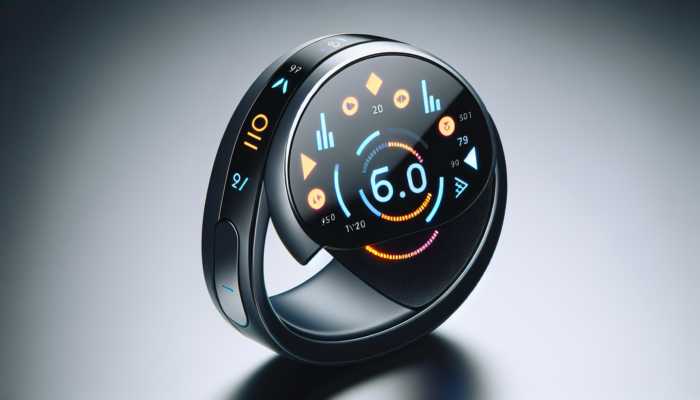
Sleek wearable hearing device displaying sound exposure levels and health alerts in urban setting.

The incorporation of health monitoring features into wearable hearing devices represents a significant leap forward in personal health management. These innovative devices not only assist with hearing but also track auditory health, providing users with valuable insights into their hearing conditions. Imagine a device that alerts you to changes in your hearing ability or offers feedback on your ear health.

These wearables can monitor sound exposure levels, advising users to take precautionary measures in environments that may cause hearing damage. For instance, if a user is subjected to excessive noise levels, the device can suggest taking breaks or utilizing hearing protection. This proactive approach empowers users to take charge of their hearing health actively.

Moreover, as the data collected through these devices becomes increasingly sophisticated, it can be shared with healthcare professionals for ongoing monitoring and personalized adjustments. This development underscores the importance of holistic health management, where hearing health is seamlessly integrated into overall wellness, paving the way for healthier living globally.

Innovations in Cochlear Implants and Beyond

Cochlear implants have emerged as a groundbreaking solution for individuals suffering from severe hearing loss, and ongoing advancements promise to enhance their effectiveness even further. The future of hearing loss technology is incredibly bright, with exciting innovations in implant technology and research paving the way for enriched auditory experiences.

Next-Generation Cochlear Implants

Next-generation cochlear implants are revolutionizing auditory perception with enhanced electrode designs and sophisticated signal processing capabilities. The latest models are engineered to optimize sound clarity while minimizing distortion, delivering users a more natural listening experience. These advancements are particularly crucial for individuals reliant on cochlear implants as their primary means of hearing.

Research into electrode configuration has yielded designs that more accurately mimic the natural structure of the cochlea, enabling more precise stimulation of auditory nerves. This results in clearer sound differentiation, especially in complex listening environments, such as crowded rooms or outdoor settings. These improvements significantly enhance user experience, making cochlear implants a more attractive option for both children and adults.

Moreover, the future holds the promise of wireless connectivity and integration with smart devices, allowing users to control their cochlear implants via mobile applications. This level of personalization offers unprecedented flexibility and user empowerment, enabling individuals to tailor their auditory experiences to their specific preferences and environments.

Auditory Brainstem Implants as a Viable Alternative

While cochlear implants have transformed hearing for many, they are not suitable for everyone. For individuals with auditory nerve damage, auditory brainstem implants (ABIs) provide an alternative solution by bypassing damaged pathways. These implants directly stimulate the brainstem, delivering sound information to the auditory centers of the brain, which can restore some degree of hearing.

Ongoing research is focused on enhancing ABI technology, including refining surgical techniques and device designs to improve sound quality. As technology advances, we can expect more effective ABIs to offer better sound clarity and a richer listening experience for users. This innovation signifies a significant leap in assistive technology, offering hope to those who have not been able to benefit from conventional hearing aids or cochlear implants.

The potential benefits of ABIs extend beyond hearing recovery; they also hold promise for improving the overall quality of life. As individuals regain auditory function, they may experience increased social engagement, enhanced mental health, and improved overall well-being. This underscores the necessity for ongoing research and development in the field of auditory implants.

Exploring Research into Auditory Regeneration

The pursuit of regenerating damaged auditory nerves and hair cells represents a frontier in hearing technology research that could fundamentally transform the treatment landscape for hearing loss. Scientists are investigating various approaches, such as gene therapy and stem cell research, to discover solutions that could restore natural hearing capabilities.

Recent studies have demonstrated promising results in regenerating hair cells in animal models, indicating the potential for similar breakthroughs in humans. If successful, such advancements could lead to treatments that not only prevent hearing loss but also reverse it, offering hope to millions globally.

This research is not solely about restoring hearing; it’s about transforming lives. Imagine a world where individuals born with hearing loss can enjoy the same auditory experiences as their peers. The implications of such advancements extend beyond technology—they could foster greater inclusivity and understanding in society, dismantling barriers associated with hearing loss.

As we look ahead, ongoing research into regeneration signifies a paradigm shift in how we approach hearing challenges. The potential for breakthroughs in this arena is substantial, offering a hopeful vision for the future of hearing health.

Harnessing Artificial Intelligence in Hearing Solutions

Artificial intelligence (AI) is making significant strides across various sectors, and the realm of hearing technology is no exception. The future of hearing loss technology is increasingly characterized by AI applications that enhance user experience and accessibility in remarkable ways, signaling the dawn of a new era in auditory solutions.

Customizing Sound Profiles with AI Technology

AI-driven technology is transforming how hearing aids are calibrated to meet individual user needs. By analyzing user preferences and hearing profiles, AI algorithms can create personalized sound profiles that adapt in real-time to the user’s environment. This means that whether you’re in a quiet library or a lively café, your hearing aid can automatically adjust to provide optimal sound clarity and comfort.

This personalized approach extends to various listening situations. For example, if a user frequently attends concerts, the AI can learn to prioritize music frequencies, enriching the auditory experience without compromising clarity in other contexts. This adaptability is vital for enhancing the quality of life for individuals with hearing loss, allowing them to engage fully in diverse auditory environments.

Moreover, the integration of AI into hearing aids can significantly enhance user experience through continuous learning. The more a user interacts with their device, the better it understands their preferences. This creates a feedback loop where the technology evolves alongside the user’s needs, ensuring a tailored experience that feels intuitive and seamless.

Real-Time Language Translation Capabilities

In our increasingly interconnected world, cross-linguistic communication is essential. AI applications in the future of hearing loss technology are simplifying understanding different languages through real-time audio processing. Imagine attending a multilingual event and effortlessly following conversations in multiple languages without missing a moment.

These AI-driven translation features function by analyzing spoken language and converting it into real-time translations that are transmitted straight to the user’s hearing aid. This technology fosters inclusivity and enriches educational and cultural experiences for users from diverse backgrounds. For instance, students in international classrooms can fully engage, breaking down barriers that once hindered communication.

As this technology advances, we can expect even greater accuracy and fluency in translations, further enhancing the user experience. Such capabilities could be transformative for travelers and expatriates, enabling them to immerse themselves in new cultures and communities without the anxiety of language barriers.

Predictive Maintenance for Enhanced Device Reliability

In a world where technology can be unpredictable, AI is stepping up to provide predictive maintenance for hearing devices. This innovation is essential for ensuring that devices operate optimally and that users experience minimal disruptions in their daily lives.

AI-driven systems can continuously monitor the performance of hearing aids, predicting potential malfunctions before they occur. By analyzing data from sensors within the device, the system can alert users to issues such as battery life or software updates, allowing for proactive maintenance. This not only enhances user satisfaction but also minimizes the likelihood of device failure during critical moments.

Furthermore, predictive maintenance extends beyond mere alerts. It can streamline the user experience by automating routine maintenance tasks, such as cleaning schedules or adjustments based on usage patterns. This level of foresight empowers users to stay ahead of potential issues, ensuring that their hearing aids remain reliable companions in their auditory journey.

As AI technology continues to progress, the future promises even more sophisticated predictive capabilities, enabling users to focus on what truly matters—enjoying life to the fullest without the constant worry of device malfunctions.

Telehealth Innovations in Hearing Care

The emergence of telehealth has significantly altered the healthcare landscape, and hearing care is no exception. The future of hearing loss technology is intricately linked to the growth of remote support and virtual audiology services, making hearing healthcare more accessible than ever before.

Remote Audiology Services Breaking Barriers

Virtual audiology services are dismantling traditional barriers to hearing care. Users can now access remote assessments and consultations, ensuring that hearing health remains a priority regardless of geographical constraints. This is especially beneficial for individuals residing in remote areas or those facing mobility challenges.

Through telehealth platforms, audiologists can carry out comprehensive assessments using advanced technology, facilitating accurate diagnoses and effective treatment plans without necessitating in-person visits. The convenience of virtual consultations allows users to receive timely care, reducing the risk of their hearing loss deteriorating due to delays in treatment.

Furthermore, the implementation of remote audiology services encourages continuous engagement between healthcare providers and users. Regular follow-ups and check-ins can be conveniently scheduled, ensuring that individuals receive ongoing support throughout their hearing journey.

Online Hearing Aid Fitting for Streamlined Adjustments

Traditionally, fitting hearing aids required multiple in-person appointments, but telehealth is reshaping this process. Online hearing aid fitting has become a viable option, enabling users to adjust and fine-tune their devices from the comfort of their homes.

Utilizing remote fitting technologies, audiologists can guide users through the adjustment process via video calls. This not only saves time but also enhances the user experience by providing immediate feedback and support. Users can witness real-time adjustments to their devices and comprehend how different settings affect their hearing.

As technology continues to evolve, anticipate even more sophisticated online fitting processes that incorporate machine learning algorithms to refine settings based on user feedback. This level of personalization and convenience is revolutionizing how individuals manage their hearing loss, making it easier and more efficient than ever.

Ongoing Monitoring and Support via Telehealth

The future of hearing loss technology involves continuous monitoring of hearing health and device performance through telehealth solutions. Wearable technology can provide real-time data, enabling both users and healthcare providers to track changes in hearing ability over time.

This continuous monitoring facilitates early detection of potential issues, ensuring that users receive timely interventions. For instance, if a user’s hearing ability declines, their audiologist can swiftly recommend adjustments to their hearing aids or suggest additional interventions. This proactive approach is crucial for maintaining optimal hearing health.

Moreover, ongoing support through telehealth platforms allows users to connect with audiologists whenever necessary. Whether they have inquiries about device settings or require advice on managing their hearing loss, users can easily access expert guidance. This level of support fosters a sense of empowerment, encouraging individuals to take an active role in their hearing care.

Professional Training in Telehealth for Audiologists

As telehealth becomes a standard practice in hearing care, training programs for audiologists and healthcare providers are essential. These programs equip professionals with the skills necessary to effectively utilize telehealth tools and deliver high-quality care remotely.

Training emphasizes best practices for virtual consultations, remote assessments, and online fitting procedures. Audiologists learn to leverage technology to enhance patient engagement, ensuring that users feel supported even from a distance. This focus on telehealth training signifies a shift in how hearing care is delivered, fostering a more responsive and adaptable healthcare system.

As the telehealth model continues to gain traction, we can expect an increasing number of professionals trained in these methodologies, ensuring that users receive the best possible care regardless of their location.

Advancements in Accessibility and Inclusivity in Hearing Technology

Accessibility and inclusivity are central to the future of hearing loss technology. As advancements continue, it is vital to prioritize creating solutions that cater to a diverse range of users, ensuring that everyone has access to the tools necessary for thriving in their daily lives.

Affordable Hearing Solutions for All

The development of cost-effective hearing technologies is crucial for expanding access to hearing care. The high cost of traditional hearing aids has historically posed a barrier for many individuals, especially those in low-income communities or developing regions.

Innovative solutions are emerging to tackle this challenge, including subscription models and financing options that make hearing aids more affordable. Additionally, companies are prioritizing the creation of budget-friendly devices that do not compromise on quality or functionality. These affordable solutions empower a wider audience to seek assistance for their hearing loss, promoting inclusivity in hearing healthcare.

Moreover, public-private partnerships and initiatives are working to provide hearing aids to those in need, further enhancing accessibility. Community programs and outreach efforts aim to educate individuals about their options, ensuring that everyone can benefit from the technological advancements in hearing.

Principles of Inclusive Design in Hearing Technology

Inclusivity in design is essential for creating hearing technologies that address the diverse needs of users. The future of hearing loss technology is centered on developing devices that consider varying levels of hearing loss, cultural differences, and user preferences.

Companies are increasingly adopting inclusive design principles, involving users in the development phase to gain valuable insights into their experiences and challenges. This collaborative approach ensures that technologies are user-friendly and cater to a wide array of lifestyles.

Furthermore, the emphasis on aesthetic appeal is critical. Many users prefer devices that blend seamlessly with their personal style rather than drawing attention to their hearing loss. By prioritizing inclusive design, manufacturers can create devices that empower individuals to feel confident while receiving the support they need.

Raising Awareness through Public Campaigns

Educating the public about hearing health and the benefits of early intervention is vital for diminishing stigma and promoting awareness. Public campaigns can play a significant role in encouraging individuals to seek assistance for hearing loss, emphasizing that it is never too late to address auditory challenges.

These campaigns can take various forms, from social media initiatives to community workshops, fostering conversations about hearing health. By highlighting the importance of regular hearing check-ups and the latest advancements in hearing technology, awareness campaigns can shift public perception and encourage individuals to prioritize their auditory health.

Moreover, collaboration with healthcare professionals and organizations can amplify the reach and impact of these campaigns. By working together, stakeholders can create a comprehensive approach to promoting hearing health, ultimately benefiting individuals and communities worldwide.

Creating Environments that Support Better Hearing

Innovations in hearing technology extend beyond devices; they encompass environmental adaptations that enhance auditory experiences. The future of hearing loss technology involves crafting environments that foster better hearing for users across various settings.

Advanced Noise Reduction Technologies

Noise reduction technologies are vital for improving hearing in challenging environments. Innovations in sound engineering focus on minimizing background noise, allowing users to concentrate on conversations or important sounds without distractions.

These technologies utilize sophisticated algorithms to filter out unwanted sounds, ensuring that users can enjoy clear, crisp audio. For example, in crowded public spaces or on public transportation, noise-canceling features can create a more pleasant listening environment, significantly improving the overall user experience.

Additionally, manufacturers are exploring the integration of noise reduction technologies into everyday products, such as public announcement systems and communal spaces. By prioritizing sound quality in various environments, we can create more inclusive spaces for individuals with hearing loss.

Effective Sound Enhancement Systems

Sound enhancement systems are invaluable tools for improving hearing in public spaces like theaters, lecture halls, and places of worship. These systems amplify sound and deliver it directly to users, ensuring they can fully participate in communal activities.

Integrating these systems with personal hearing devices can further enhance the experience. For instance, users can connect their hearing aids directly to sound enhancement systems, receiving clear audio tailored to their hearing profiles. This level of accessibility transforms how individuals engage in social and cultural events, fostering inclusivity in public life.

As communities recognize the significance of sound enhancement technologies, we can anticipate greater adoption and investment in these systems, creating environments where everyone can enjoy auditory experiences without barriers.

Smart Home Integration for Enhanced Accessibility

The integration of hearing technologies with smart home systems represents a significant advancement in creating accessible living environments. Imagine a home where doorbells, alarms, and notifications are directly connected to your hearing aids, ensuring you never miss an important sound.

Smart home integration allows users to customize their auditory experiences, providing alerts for various sounds within the home environment. For instance, users can receive notifications when someone is at the door or when smoke alarms are triggered, enhancing both safety and peace of mind.

Furthermore, this technology promotes independence for individuals with hearing loss, allowing them to manage their environments more effectively. As smart home technologies continue to evolve, expect to see even more seamless integrations that improve daily living for those with hearing challenges.

Acoustic Design Principles in Architecture

The principles of acoustic design in architecture are becoming increasingly relevant in creating spaces that optimize sound quality for improved hearing experiences. From concert halls to community centers, thoughtful architectural design can significantly influence how sound is perceived.

Architects are now factoring in the acoustic properties of materials and layouts to ensure sound travels efficiently and clearly within spaces. This is particularly crucial for public venues where auditory experiences are essential—such as in theaters, where sound clarity is vital for enjoyment.

Moreover, incorporating acoustic design principles in residential spaces can create more supportive environments for individuals with hearing loss. By prioritizing sound quality in architectural planning, we can enhance overall living experiences for everyone, fostering greater inclusivity.

Tailored Hearing Solutions for Individual Needs

The customization of hearing devices based on individual needs and environmental conditions is a hallmark of the future of hearing loss technology. Personalized hearing solutions ensure that users receive tailored auditory experiences that align with their unique lifestyles.

Advancements in technology are enabling the development of more sophisticated devices that adapt to various acoustic environments. For instance, users can establish preferences based on different settings—whether at home, work, or in social situations—to ensure optimal hearing.

This level of personalization not only enhances user satisfaction but also empowers individuals to take charge of their auditory experiences. As technology continues to improve, anticipate even more innovative solutions that prioritize user preferences and adaptability, creating a truly personalized approach to hearing loss.

Future Directions in Research and Development

The landscape of hearing technology is in a constant state of evolution, propelled by ongoing research and development. The future of hearing loss technology will be shaped by groundbreaking studies and innovations that promise to enhance the quality of life for individuals facing hearing challenges.

Exploring Nanotechnology in Hearing Solutions

Nanotechnology is emerging as a promising frontier in the treatment of hearing loss. Researchers are investigating how nanoscale materials can improve hearing devices and even contribute to potential cures for hearing loss. This includes utilizing nanomaterials to enhance sound transmission or developing nanoscale sensors for improved auditory detection.

The potential applications of nanotechnology in hearing devices are vast. For example, nanoscale sensors could provide real-time data on hearing health, enabling more precise adjustments and monitoring. This level of detail could lead to significant improvements in hearing aid functionality, making them more effective and responsive to user needs.

As research in this area progresses, we may witness revolutionary advancements that redefine our understanding of hearing loss and its treatment, offering hope to those affected by auditory challenges.

Genetic Therapies as a Groundbreaking Approach

The exploration of genetic therapies represents a groundbreaking approach to preventing and potentially reversing hearing loss. Research into gene editing technologies, such as CRISPR, is paving the way for treatments that target the genetic factors contributing to hearing loss.

Studies have shown promise in restoring hearing by repairing or replacing damaged genes associated with auditory function. If successful, these therapies could revolutionize how we address hearing loss, providing a proactive rather than reactive approach.

Furthermore, as our understanding of the genetics behind hearing loss expands, we can anticipate more targeted treatments that consider individual genetic profiles. This level of personalization in treatment could lead to more effective interventions, fundamentally changing the landscape of hearing care.

Innovative Approaches to Sound Therapy

Innovative sound therapy approaches are gaining traction as complementary treatments for hearing loss. These therapies focus on retraining the brain’s auditory processing abilities, helping individuals adapt to their hearing loss more effectively.

Techniques such as sound enrichment and auditory training are being integrated into hearing rehabilitation programs, enhancing the overall efficacy of traditional treatments. By combining sound therapy with technological advancements in hearing aids, users can achieve a more holistic approach to managing their hearing challenges.

As research continues to reveal the complexities of auditory processing, expect to see more refined sound therapy approaches tailored to individual needs. This progressive integration of sound therapy into hearing loss management signifies a promising future for auditory health.

Collaboration Across Disciplines for Innovation

The future of hearing technology will increasingly depend on collaboration across various disciplines. By uniting experts from fields such as audiology, engineering, neuroscience, and design, we can foster innovation that leads to more effective solutions for hearing loss.

These interdisciplinary collaborations can yield breakthroughs that address the multifaceted nature of hearing loss. For instance, engineers can partner with audiologists to develop devices that integrate seamlessly with the human auditory system, ensuring optimal performance and user experience.

Moreover, involving users in the design and testing phases is crucial for ensuring that solutions meet real-world needs. By prioritizing collaboration and inclusivity, we can create a more effective and comprehensive approach to hearing technology, benefiting individuals and communities worldwide.

Looking Ahead: The Bright Future of Hearing Loss Technology

The future of hearing loss technology is undeniably promising, with numerous advancements on the horizon. As we embrace innovation and collaboration, we can anticipate a world where individuals with hearing challenges have access to the best possible solutions. By emphasizing accessibility, inclusivity, and cutting-edge technology, we can empower individuals to lead fulfilling lives, dismantling the barriers associated with hearing loss.

Frequently Asked Questions

What are the latest advancements in hearing aid technology?

Recent advancements encompass miniaturization for enhanced comfort, improved digital signal processing for superior sound quality, and seamless connectivity with various devices, making hearing aids more user-friendly and effective.

How do bone conduction devices function?

Bone conduction devices transmit sound via vibrations in the skull bones, bypassing the outer and middle ear, making them suitable for individuals with certain types of hearing loss.

What role does artificial intelligence play in hearing technology?

AI enhances hearing technology by personalizing sound profiles, enabling real-time language translation, and facilitating predictive maintenance to improve device reliability.

What is the future outlook for cochlear implants?

Next-generation cochlear implants are being developed with advanced electrode designs and signal processing capabilities, enhancing sound clarity and overall user experience.

How is telehealth transforming hearing care?

Telehealth provides remote access to audiology services, enabling virtual assessments, online hearing aid fittings, and continuous monitoring of hearing health.

Why is accessibility crucial in hearing loss technology?

Accessibility ensures that individuals from diverse backgrounds can access hearing solutions, promoting inclusivity and enhancing the quality of life for those with hearing challenges.

What environmental adaptations support better hearing?

Innovations such as noise reduction technologies, sound enhancement systems, and smart home integrations are being developed to create more supportive acoustic environments for individuals with hearing loss.

How can sound therapy assist with hearing loss?

Sound therapy can help retrain the brain’s auditory processing abilities, aiding individuals in adapting to their hearing loss while complementing traditional treatments.

What is the significance of public awareness campaigns?

Public awareness campaigns educate individuals about hearing health, encouraging early intervention and reducing stigma associated with hearing loss.

How does research into nanotechnology affect hearing technology?

Nanotechnology has the potential to develop advanced hearing devices, improve sound transmission, and potentially lead to cures for hearing loss through innovative treatments.

Explore our world on X!

The post Hearing Loss Tech: Innovations Shaping the Future appeared first on The Microsuction Ear Wax Removal Network.


Hearing Aids Enhance Enjoyment in Hobbies

abbie_c | April 14th, 2025


Last Updated on 13/04/2025 by Admin

Unlocking Enhanced Sound Clarity for an Enriching Experience

Achieving optimal sound clarity is crucial for enhancing the enjoyment of various hobbies. For individuals experiencing hearing impairments, participating in sound-centric activities can often present challenges. This is where hearing aids become invaluable, providing remarkable improvements in sound clarity that significantly influence how users engage with their beloved pastimes. From savoring music to enjoying conversations in social gatherings, the advantages of enhanced sound clarity resonate through a diverse range of hobbies, transforming the experience into something truly enriching.

Deepening Your Music Appreciation Journey

A vibrant concert hall with an orchestra; people using modern hearing aids enjoy clear sounds of violins and bass guitars.

Envision stepping into a lively concert hall, where the harmonious sounds of an orchestra resonate throughout the space. For many individuals with hearing loss, this experience can feel overwhelming, as they may struggle to recognize the intricate nuances in the music. However, thanks to the advancements in modern Hearing aids that focus on enhancing sound clarity, users can immerse themselves in a vibrant world of musical experiences. These sophisticated devices enable users to appreciate the delicate subtleties of various instruments, ranging from the soft notes of a violin to the powerful resonance of a bass guitar.

Listening to music transforms into an enlightening experience, as hearing aids amplify tonal range and balance. Users can explore diverse genres—from timeless classical masterpieces to the latest pop hits—uncovering new layers and textures in the music they adore. The ability to enjoy live performances, whether in cozy venues or expansive concert arenas, is vastly improved. With clear sound, individuals can fully engage in music-related hobbies, such as playing instruments or attending concerts, making these activities not only enjoyable but also profoundly rewarding.

Additionally, the social dimension of music appreciation plays a vital role. By joining music clubs or attending community performances, individuals can forge connections. Hearing aids empower users to interact more freely with fellow music lovers, sharing experiences and insights that enhance their understanding and enjoyment of music. This enriched social engagement amplifies the joys of music, reinforcing its significance as a key avenue for connection and community-building.

Enhancing Speech Comprehension for Meaningful Interactions

Effective communication is fundamental to many hobbies, especially those that involve group interactions. Whether participating in engaging discussions at a book club or exchanging ideas during a crafting session, the ability to comprehend speech is essential. Hearing aids are instrumental in enhancing speech comprehension, enabling users to engage more effectively in conversations and discussions.

With cutting-edge technology, modern hearing aids possess the ability to filter out background noise while amplifying speech signals. This feature is particularly beneficial in social settings, where multiple conversations may be occurring simultaneously. Users can concentrate on the speaker, capturing the essence of discussions without the strain of trying to decipher every word. This enhanced understanding transforms social hobbies into more enjoyable and inclusive experiences.

Moreover, clearer speech comprehension nurtures deeper connections between individuals. Members of discussion groups or team-based activities can express themselves more openly, leading to richer conversations and collaborative experiences. The social confidence derived from being able to participate fully in these exchanges elevates the overall enjoyment of hobbies, emphasizing the importance of community and interaction.

Embracing Clearer Environmental Sounds for Richer Experiences

Nature serves as a magnificent backdrop for countless hobbies, from hiking to birdwatching. The sounds of rustling leaves, chirping birds, and gently flowing streams contribute to the immersive experience of these activities. For those with hearing challenges, these natural symphonies may often go unnoticed. However, hearing aids significantly enhance the perception of environmental sounds, allowing users to fully appreciate the intricate details of their surroundings.

By improving the reception of environmental sounds, hearing aids enable users to enjoy the subtle nuances of nature. For instance, birdwatchers can identify various species not only by sight but also by their unique calls. Hikers can relish the tranquility of the wilderness, attuning themselves to the soft whispers of the wind or the crunch of twigs beneath their feet. This connection with the environment elevates the overall experience of outdoor hobbies, fostering a deeper appreciation for the wonders of nature.

Furthermore, engaging with the natural environment encourages mindfulness, promoting overall mental well-being. The ability to immerse oneself in nature enhances relaxation and stress relief, making outdoor hobbies not only enjoyable but also therapeutic. Thus, hearing aids play an indispensable role in enhancing the bond between individuals and the natural world, enriching their experiences in various hobbies.

Empowering Increased Participation in Hobbies

Diverse group with hearing aids enjoying sports and community events, showcasing camaraderie.

The joy of active participation is a fundamental aspect of hobbies, particularly in group activities that promote camaraderie and shared experiences. For individuals grappling with hearing loss, the barriers to active engagement can be substantial. However, hearing aids serve as powerful tools, enabling increased participation in a multitude of hobbies, from sports to community events.

Fostering Active Involvement in Group Activities

Whether it’s team sports or community theater, engaging in these activities is not just about the task at hand; it’s also about forming social bonds through participation. Hearing aids facilitate improved communication, allowing users to engage more actively with their teammates or fellow performers. This enhanced ability to hear instructions, feedback, and conversations is crucial in fostering teamwork and collaboration.

With improved hearing, users can fully participate in practice sessions, strategizing with teammates or discussing performances with directors and fellow actors. This involvement leads to a more enjoyable experience, where individuals feel valued and connected. The social dynamics of group hobbies enrich personal growth and self-confidence, as users can express themselves and contribute meaningfully to the activity.

Moreover, the camaraderie built through these group interactions cultivates a strong sense of belonging. Whether on a sports team or in a community theater production, shared experiences create lasting friendships and networks. Hearing aids empower individuals to embrace these opportunities, ultimately enhancing their overall quality of life.

Expanding Learning Opportunities through Enhanced Hearing

Hobbies often provide avenues for learning and personal development. Engaging in educational activities like cooking classes or language courses requires effective communication and comprehension. Hearing aids significantly enhance the ability to absorb information during these sessions, making learning more accessible and enjoyable for users.

In a cooking class, for instance, users can clearly hear instructions, safety tips, and ingredient discussions. This clarity not only enhances the cooking experience but also instills confidence in trying new recipes and techniques. Similarly, in language classes, hearing aids improve understanding of pronunciation and dialogue, facilitating participation in discussions and practice sessions.

The confidence gained from superior auditory input can lead to a more proactive approach to learning. Individuals may feel motivated to explore additional hobbies or educational pursuits, knowing they can engage without the barriers imposed by hearing loss. This newfound enthusiasm not only enhances personal satisfaction but also encourages a lifelong passion for learning.

Building Confidence in Social Settings

Individuals using hearing aids confidently engage in community events, enhancing social and mental well-being.

Social environments can feel intimidating for individuals with hearing loss. The fear of missing out on conversations or misinterpreting discussions can hinder participation in various hobbies. Hearing aids significantly boost confidence by enhancing users’ ability to hear and understand better, leading to a more fulfilling social experience.

With improved hearing, individuals are more inclined to initiate conversations and engage in group activities. This newfound confidence often results in increased participation in social clubs, workshops, or local community events. The ability to connect with others not only enriches the hobby experience but also promotes mental well-being, reducing feelings of isolation.

The empowerment gained from using hearing aids extends beyond hobbies themselves. Users may find themselves more eager to explore new interests, attend social gatherings, or join clubs, resulting in a more vibrant and fulfilling lifestyle. The supportive role of hearing aids in boosting confidence cannot be overstated, as they open doors to new experiences and connections.

Creating Tailored Listening Experiences for Every Hobby

The diversity of hobbies means that each activity often requires distinct auditory experiences. Modern hearing aids offer an array of features that allow for personalized listening experiences, ensuring that users can fully engage in their hobbies without sacrificing sound quality.

Customizing Sound Settings for Optimal Enjoyment

One of the standout features of contemporary hearing aids is their customizable sound settings, which enable users to adjust their listening experience according to specific hobbies. Whether attending a serene art gallery or a lively music festival, these settings can significantly enhance sound clarity and comfort.

For example, individuals can fine-tune their hearing aids to amplify softer sounds during tranquil activities like reading or meditation. On the other hand, they can enhance background music or spoken word during social gatherings or live performances. This level of customization ensures that users enjoy their hobbies without straining to hear or becoming overwhelmed by excessive noise.

Moreover, the ability to personalize sound settings empowers users to take charge of their auditory environment. Individuals can experiment with different profiles to determine what works best for them during various hobbies. This degree of customization not only augments enjoyment but also promotes a sense of independence when navigating social situations and environments.

Utilizing Noise Reduction Features for Focused Engagement

Noise reduction technologies integrated into hearing aids are game-changers for users engaged in hobbies that require concentration or focus. For instance, during yoga classes or meditation sessions, background noise can be distracting. Hearing aids equipped with noise reduction features help users concentrate on relevant sounds, creating a more peaceful environment.

These features selectively filter out ambient noise, allowing users to focus on their breathing, the instructor’s guidance, or calming music. This clarity transforms the experience, fostering mindfulness and relaxation. Users can immerse themselves in their practice without the distraction of surrounding sounds, leading to a deeper connection with the activity.

In more social contexts, noise reduction capabilities allow users to concentrate on conversations without straining to hear over background chatter. This functionality proves particularly beneficial during group meals or community events, where overlapping conversations may present challenges. By creating a clearer auditory environment, hearing aids enhance social interactions and overall enjoyment.

Maximizing Audio Focus with Directional Microphones

Directional microphones integrated into hearing aids significantly improve the ability to focus on specific sounds. This technology is particularly advantageous during engaging hobbies like attending live performances, where multiple audio sources vie for attention.

With directional microphones, users can concentrate on the performers on stage, savoring every note and lyric without distraction. This capacity allows individuals to appreciate the nuances of live music, theater productions, or speeches, enriching the overall experience. Users can engage with the performance, feeling as though they are part of a shared experience with fellow attendees.

Additionally, in settings like bustling cafes or busy workshops, directional microphones can assist users in focusing on relevant conversations or activities. This capability fosters connections with others, enabling meaningful interactions despite surrounding noise. The ability to direct auditory focus enhances the joy of participating in hobbies, reinforcing the significance of sound in shared experiences.

Personalized Volume Control for Customized Listening

Personalized volume control in hearing aids allows users to set different levels for various activities, enhancing the listening experience across a wide range of hobbies. For instance, while reading, users may prefer softer sounds, allowing them to immerse themselves in the story without distractions. Conversely, during lively gatherings, a higher volume setting can help them remain engaged in conversations.

This flexibility is crucial for hobbies that encompass varying auditory environments. Whether attending a lecture, enjoying a concert, or partaking in a quiet discussion, personalized volume control ensures that users can tailor their auditory experience to their surroundings. This customization contributes to a more comfortable and enjoyable hobby experience, enabling users to focus on what truly matters.

Additionally, having control over volume levels empowers users to navigate potentially overwhelming environments. Individuals can adjust settings as needed, cultivating a sense of security and comfort. This adaptability fosters confidence, allowing users to engage in diverse hobbies and social interactions without the fear of being overwhelmed by sound.

Creating Environment-Specific Profiles for Tailored Experiences

The ability to save environment-specific profiles within hearing aids is a revolutionary feature that enhances user experience across various hobbies. Users can create and switch between profiles tailored to different environments, optimizing hearing aid performance based on specific activities.

For instance, a profile configured for a quiet library can prioritize soft sounds, allowing users to relish the tranquility of reading or studying. In contrast, a profile designed for a lively concert can amplify music while filtering out unwanted background chatter, creating an immersive auditory experience. This level of customization guarantees that users can fully engage in their hobbies without distractions or discomfort.

Furthermore, having access to multiple profiles encourages users to explore new environments and hobbies. Whether attending workshops, participating in group classes, or simply enjoying a day outdoors, these tailored settings promote confidence and adaptability. The ability to optimize hearing aids for different scenarios enhances the overall quality of life for users, making everyday experiences more enjoyable.

Harnessing Technological Integration for Enhanced Hobby Engagement

The evolution of hearing aid technology has transformed how users engage with their hobbies. The integration of smart technologies and connectivity features enriches the overall auditory experience, making hobbies more immersive and enjoyable.

Seamless Compatibility with Smart Devices

In today’s digital landscape, the compatibility of hearing aids with smart devices elevates the experience of various hobbies. Users can connect their hearing aids to smartphones, tablets, and computers, facilitating seamless audio integration and control. This connectivity opens up new avenues for engaging with hobbies, from gaming to video streaming.

For example, when gaming, users can stream in-game audio directly to their hearing aids, creating a more immersive experience. This integration allows them to detect subtle sound cues, enhancing gameplay strategy and overall enjoyment. Similarly, during video streaming, users can adjust settings directly from their devices, ensuring optimal sound clarity tailored to their preferences.

The ability to control hearing aids via smart devices fosters independence and convenience. Users can make real-time adjustments during activities, enriching their auditory experience without missing a beat. This technological integration empowers individuals to fully engage in their hobbies, promoting a richer and more fulfilling experience.

Streamlining Audio with Enhanced Streaming Capabilities

Streaming capabilities in hearing aids allow users to enjoy audio content directly from their devices, eliminating the need for cumbersome external accessories. This feature significantly enhances hobbies such as podcast listening or online courses, providing a seamless auditory experience.

For instance, when listening to a podcast, users can enjoy crystal-clear audio, making it easier to absorb information and insights. This convenience promotes a richer experience, allowing for deeper engagement with the content. Similarly, during online courses, users can hear lectures and discussions clearly, ensuring they don’t miss vital information during learning sessions.

The ease of streaming fosters a stronger connection to the content, whether engaging with educational materials or enjoying favorite shows. This integration not only enhances the auditory experience but also encourages users to explore new interests and hobbies, further enriching their lives.

Convenient App-Controlled Adjustments for Tailored Experiences

The advent of smartphone applications allows users to fine-tune their hearing aids effortlessly for different hobbies. These apps provide intuitive interfaces for adjusting settings based on specific activities, enhancing the overall listening experience.

For example, during a quiet reading session, users can modify the settings to prioritize soft sounds and minimize distractions. Conversely, when attending a lively event, they can amplify ambient sounds and conversations, ensuring they don’t miss any significant moments. This level of control empowers users to tailor their auditory experience to fit their hobbies seamlessly.

Additionally, the convenience of app-controlled adjustments nurtures independence, allowing users to make real-time changes without requiring assistance. This adaptability is essential for maximizing enjoyment during various activities, promoting a sense of agency in managing one’s hearing.

Enhancing Connectivity with Wireless Features

Wireless connectivity in hearing aids significantly enhances the user experience by allowing seamless connections to various devices. This feature is particularly advantageous for individuals who enjoy hobbies involving multimedia, such as music listening or virtual meetings.

By connecting wirelessly to devices, users can access audio content without the hassle of cords or additional accessories. For example, during virtual meetings, users can participate fully, hearing discussions clearly and contributing without distractions. Similarly, while enjoying music, they can immerse themselves in their favorite tracks without compromising sound quality.

The ease of wireless connectivity encourages users to engage more actively in their hobbies. Whether attending online workshops or enjoying music with friends, this feature promotes a more immersive and enjoyable experience. The seamless integration of technology enhances the overall quality of life for users, making everyday activities more gratifying.

Utilizing Automated Sound Optimization for Effortless Engagement

Automated sound optimization in hearing aids significantly enhances the user experience by adjusting settings based on environmental factors. This technology ensures that users can enjoy their hobbies without the constant need to fiddle with controls, allowing for a more immersive experience.

For instance, during outdoor sports activities, hearing aids can automatically adjust to filter out wind noise while amplifying relevant sounds, such as teammates calling out instructions. Similarly, in busy environments, they can adapt to minimize distractions and enhance essential conversations. This level of automation streamlines the user experience, enabling individuals to focus entirely on their hobbies.

The convenience of automated sound optimization also promotes confidence and independence. Users can engage in various activities without the constant worry of adjusting their hearing aids. This feature enhances the overall enjoyment of hobbies, ensuring that users can participate fully without missing a beat.

Exploring Health and Wellness Benefits through Hobbies

Engaging in hobbies is not only essential for personal enjoyment but also plays a pivotal role in overall health and wellness. Hearing aids contribute significantly to these benefits, enabling users to indulge in their hobbies while promoting physical, mental, and emotional well-being.

Mitigating Listening Fatigue for Enhanced Enjoyment

Listening fatigue can pose a considerable barrier to enjoying hobbies, especially for individuals with hearing loss. The constant effort to decipher sounds can be exhausting, leading to discouragement and disengagement. Hearing aids alleviate this challenge by enhancing sound clarity and reducing the effort required to listen effectively.

With improved auditory input, users can engage in hobbies like dancing or exercising for extended periods without feeling fatigued. The ease of hearing allows them to immerse themselves in activities fully, fostering a healthier lifestyle. This reduction in listening fatigue not only enhances enjoyment but also encourages consistent engagement in physical activities.

Furthermore, alleviating listening fatigue cultivates a positive mental perspective toward hobbies. When individuals can participate without the strain of hearing challenges, they are more likely to pursue new interests and hobbies, leading to a more fulfilling and enriched life.

Boosting Mental Health through Social Engagement

The connection between hobbies, social interaction, and mental health is profound. Engaging in hobbies with the support of hearing aids can significantly enhance mental well-being, diminishing feelings of isolation and increasing overall life satisfaction.

Participating in social hobbies, such as community events or group classes, fosters connections and friendships that are vital for emotional health. Hearing aids facilitate these interactions, allowing users to engage deeply with others and share experiences. The resulting sense of belonging can alleviate feelings of loneliness and depression, promoting a healthier mindset.

Moreover, the empowerment gained from improved hearing motivates users to explore new hobbies and interests. This exploration fosters personal growth and self-discovery, contributing to a more optimistic outlook on life. The role of hearing aids in enhancing mental health should not be overlooked, as they empower individuals to engage fully in their passions and communities.

Encouraging Increased Physical Activity for Overall Wellness

Physical activity is essential for maintaining a healthy lifestyle, yet hearing loss can hinder participation in various physical hobbies. Hearing aids promote better hearing, motivating users to engage in activities like swimming, cycling, or hiking, ultimately supporting their overall health and fitness objectives.

With enhanced hearing, users can hear instructions, safety warnings, and environmental cues, boosting their ability to participate in physical activities confidently. This increased engagement fosters a sense of achievement and motivation, encouraging individuals to pursue a more active lifestyle.

Additionally, participating in physical hobbies offers numerous health benefits, from improved cardiovascular health to enhanced mood. By facilitating involvement in these activities, hearing aids play a crucial role in supporting users’ physical and mental well-being, promoting a holistic approach to health.

Prioritizing Safety in Hobby Engagement

Safety is paramount for individuals engaging in various hobbies, especially those that involve physical activities or social interactions. Hearing aids significantly enhance safety by improving users’ awareness of their surroundings and facilitating communication in critical situations.

Heightened Awareness of Surroundings for Increased Safety

Engaging in hobbies such as cycling or jogging necessitates a heightened awareness of the environment. Hearing aids enhance users’ ability to perceive surrounding sounds, alerting them to potential hazards such as nearby vehicles or pedestrians. This improved awareness significantly boosts safety during outdoor activities.

By amplifying relevant environmental sounds, hearing aids allow users to navigate their surroundings with greater confidence. This capability reduces the risk of accidents and promotes a sense of security, enabling individuals to fully enjoy their hobbies without constant worry.

Moreover, the heightened awareness gained from using hearing aids fosters a more immersive experience during outdoor activities. Users can fully engage with nature, hearing the sounds of wildlife or the rustle of leaves as they explore their surroundings. This deeper connection to the environment enriches the overall experience of hobbies, promoting mindfulness and relaxation.

Improved Response to Alerts for Enhanced Safety

Hearing aids significantly boost the ability to hear alarms, warnings, or alerts, which is essential for safety during various hobbies. Whether cooking, woodworking, or engaging in other activities that involve potential hazards, the ability to hear warnings can prevent accidents and injuries.

For instance, in a kitchen setting, hearing aids allow users to hear timers, alarms, or safety alerts, ensuring they remain aware of their environment. Similarly, in woodworking or construction contexts, users can hear safety warnings, enhancing their ability to respond promptly to potential dangers.

This improved auditory awareness fosters a greater sense of security, allowing individuals to engage in hobbies with confidence. The ability to react to alerts enhances safety and encourages users to pursue their passions without fear of accidents.

Facilitating Communication During Emergencies

In emergency situations, clear communication can be lifesaving. Hearing aids facilitate better communication, allowing users to respond promptly to urgent situations. Whether in a medical emergency, natural disaster, or other critical incidents, the ability to hear and understand instructions is paramount for safety.

With improved hearing, users can better comprehend emergency announcements, instructions, or warnings, ensuring they can take appropriate action. This capability enhances safety not only for the users themselves but also for those around them, fostering a sense of shared responsibility during critical situations.

Furthermore, having effective communication during emergencies promotes confidence. Users can navigate challenging situations with clarity and assurance, knowing they can hear and understand vital information. This sense of security enhances overall well-being, allowing individuals to engage in their hobbies with peace of mind.

Boosting Confidence in Public Spaces for Engaged Participation

Public spaces can feel overwhelming for individuals with hearing loss. However, with the assistance of hearing aids, users gain increased confidence, allowing them to navigate crowded environments with greater ease. This confidence enhances safety and comfort in public settings, where sound cues play a critical role in awareness.

With better hearing, individuals can engage in conversations, enjoy performances, or participate in community events without the fear of missing important information. This improved engagement fosters social connections and community involvement, enriching the overall experience of outings in public spaces.

Moreover, the confidence gained from using hearing aids contributes to a more active lifestyle. Users may find themselves more willing to explore new hobbies or attend social gatherings, enriching their lives and fostering a sense of belonging. The role of hearing aids in enhancing confidence and safety in public spaces cannot be overstated, as they empower individuals to fully embrace their passions and interests.

Frequently Asked Questions About Hearing Aids

What exactly are hearing aids?

Hearing aids are electronic devices designed to amplify sound, assisting individuals with hearing loss in perceiving sounds more clearly. These devices are customizable and can enhance a variety of auditory experiences.

How do hearing aids effectively support hobbies?

Hearing aids enhance sound clarity, increase participation, and provide tailored listening experiences, ultimately improving engagement in hobbies such as music, sports, and social activities.

Can hearing aids truly enhance music appreciation?

Absolutely! Hearing aids significantly improve the clarity of music, allowing users to relish the nuances of different instruments, thereby enhancing overall music appreciation and enjoyment.

Do hearing aids really improve speech understanding?

Yes, indeed. Hearing aids enhance speech clarity, making conversations in social settings easier to comprehend, which enriches group activities and various hobbies.

How do hearing aids impact outdoor hobbies?

Hearing aids improve the ability to hear environmental sounds, enhancing experiences in hobbies like hiking and birdwatching, which fosters a deeper appreciation for nature and its beauty.

Are hearing aids customizable for different activities?

Certainly! Modern hearing aids offer customizable settings, allowing users to optimize sound for various activities and environments, thereby enhancing their overall experience.

What safety benefits do hearing aids provide?

Hearing aids enhance awareness of surroundings, improve reaction to alerts, and facilitate communication in emergencies, significantly increasing safety during various hobbies and activities.

Can hearing aids help with social interactions?

Absolutely! Hearing aids improve sound clarity, enabling users to engage more confidently in social settings, which fosters connections and enhances the enjoyment of group activities.

Do hearing aids effectively reduce listening fatigue?

Yes, by making sounds clearer and more accessible, hearing aids reduce the effort required to listen, decreasing fatigue and promoting longer engagement in hobbies and activities.

How do hearing aids support physical activity?

Hearing aids enhance auditory input during physical activities, improving safety and encouraging users to engage more actively in hobbies like sports and exercise, ultimately supporting overall health.

Explore our journey on X!

The post Hearing Aids Enhance Enjoyment in Hobbies appeared first on The Microsuction Ear Wax Removal Network.

Audífonos: Transforming Daily Life Through Sound

abbie_c | April 13th, 2025


Last Updated on 12/04/2025 by Admin

Transform Your Daily Life with Hearing Aids: An Essential Guide

The integration of Hearing aids into everyday life profoundly alters the experience for individuals facing hearing loss. These devices not only enhance the quality of hearing but also serve as a catalyst for a richer, more fulfilling life. It is vital to explore the numerous advantages that hearing aids provide across various facets of daily living, allowing for improved engagement and interaction.

Enhancing Interpersonal Communication with Hearing Aids

Diverse friends wearing modern hearing aids, laughing and conversing in a bustling café.

One of the most significant transformations brought about by hearing aids is the enhancement of interpersonal communication. Individuals with hearing loss frequently struggle to follow conversations, leading to misunderstandings and frustrations. With hearing aids, sound frequencies are amplified, making it easier to understand speech in both noisy and quiet environments.

Clear hearing not only improves the quality of interactions but also strengthens personal relationships. Friendships deepen when individuals can actively participate in conversations, share laughter, and enjoy meaningful moments together. This return to effective communication not only benefits the individual but also enriches the lives of those around them, fostering a sense of community and connection.

Moreover, improved communication can have a positive impact on mental health. Feeling connected and understood reduces the sense of isolation often associated with hearing loss. Consequently, using hearing aids is not merely a technical adjustment; it is a significant step toward a more fulfilling and rewarding life.

Boosting Confidence in Social Settings with Hearing Aids

Confidence in social situations is often diminished by the inability to actively engage in conversations. The use of hearing aids can be transformative in this regard. By enabling individuals to hear clearly, these devices provide the opportunity to engage and contribute during social events, whether at family gatherings, community activities, or dinners with friends.

This increase in active participation not only fosters richer interactions but also has a direct impact on self-esteem. Individuals who previously felt insecure in social settings often experience a renewed sense of belonging and self-efficacy. Conversations flow more naturally, and the fear of missing out on parts of interactions diminishes significantly.

Furthermore, simply wearing hearing aids can be empowering. The visibility of these devices often shifts social perceptions, associating the use of technology with proactivity and problem-solving. In this context, hearing aids do not merely enhance hearing; they also serve as symbols of personal and social empowerment.

The Positive Impact of Hearing Aids on Mental Health

The connection between hearing and mental health is profound and multifaceted. Hearing loss can contribute to increased stress and anxiety as individuals continually strive to keep up with conversations and avoid challenging situations. The use of hearing aids has been shown to significantly alleviate these symptoms.

Enhancing hearing contributes to an overall sense of well-being. Individuals tend to feel more relaxed and less anxious when they can fully engage in their daily activities. This positive change also reflects in sleep quality, mood, and social interactions, all of which are important factors influencing overall mental health.

Additionally, using hearing aids may help prevent more severe disorders, such as depression. By facilitating communication and connection, the sensation of isolation that often accompanies hearing loss is diminished. Thus, hearing aids are not just tools for enhancing hearing; they are essential for promoting a more balanced and healthy mental and emotional life.

Transform Your Daily Life with Hearing Aids: Workplace Benefits

Modern office setting with professionals using hearing aids, enhancing communication and productivity around a conference table.

The workplace is another area where hearing aids prove their value. In an increasingly dynamic work environment, the ability to communicate effectively is crucial for success. Hearing aids not only provide sound clarity but also offer a range of benefits that directly impact productivity and collaboration at work.

Improving Workplace Productivity with Hearing Aids

The ability to hear instructions and conversations clearly is fundamental to enhancing workplace productivity. In work environments where communication can be fast-paced and technical, hearing aids enable employees to catch essential details that might otherwise be missed. This not only improves the quality of work but also reduces time wasted on clarifications and repetitions.

An employee using hearing aids can participate in meetings with greater confidence, contributing valuable ideas and feedback. This not only benefits the individual but also fosters a collaborative environment where everyone feels valued. Effective communication facilitates the flow of information, which is vital for project development and problem-solving.

Moreover, enhanced communication can lead to greater job satisfaction. When employees feel heard and understood, their engagement and motivation increase, resulting in lower turnover rates and a more positive work atmosphere.

Facilitating Team Collaboration with Hearing Aids

Effective collaboration is a pillar of any workplace. Hearing aids play a crucial role in facilitating team collaboration by improving communication among team members. In diverse teams, where every voice matters, the ability to listen and be heard is essential for achieving common goals.

Hearing aids allow discussions to flow uninterrupted, promoting open and constructive dialogue. This is especially important in meetings where innovative ideas are discussed or critical decisions are made. Including all team members, regardless of their hearing challenges, enriches group dynamics and enhances creativity.

Additionally, using hearing aids can reduce the frustration often associated with poor communication. By eliminating auditory barriers, the workplace environment improves, resulting in stronger and more collaborative work relationships. Trust between colleagues is built when everyone can participate fully.

Access to Training and Professional Development Opportunities

Career advancement is a common aspiration among employees. However, hearing loss can limit access to training and development opportunities. Hearing aids remove these barriers, allowing individuals to benefit from courses, workshops, and seminars more effectively.

With hearing aids, employees can absorb information during training sessions, facilitating the learning and application of new skills. This not only enhances individual performance but can also contribute to the growth of the organization by fostering a well-trained and competent team.

Furthermore, incorporating auditory technology into training programs can be a key differentiator in talent retention. Companies that support employees with audiological needs not only demonstrate a commitment to diversity but also create a more inclusive environment that promotes professional development for all.

Transform Your Daily Life with Hearing Aids: Embracing Modern Technology

Technology has advanced rapidly, and modern hearing aids stand as a testament to these developments. The integration of technology into the design of hearing aids not only enhances the auditory experience but also redefines how individuals interact with their surroundings.

Technological Advancements in Hearing Aids

Today’s hearing aids are equipped with a variety of advanced features that significantly enhance the auditory experience. From Bluetooth connectivity to noise cancellation, these devices have become increasingly sophisticated and adaptive to user needs.

Bluetooth connectivity allows users to sync their hearing aids with phones, computers, and other devices, offering a personalized auditory experience. This means individuals can enjoy music, make calls, and participate in video conferences with exceptional sound quality, all through their hearing aids.

Moreover, automatic adaptation technologies adjust sound based on the environment. For instance, hearing aids can detect whether the user is in a noisy or quiet location and adjust amplification accordingly. This not only enhances hearing quality but also eliminates the need for constant manual adjustments, making daily use simpler.

Personalization and Custom Fitting of Hearing Aids

Personalization is a crucial aspect of hearing aid design. Each individual experiences different levels of hearing loss and has unique preferences regarding how they wish to hear the world around them. Modern hearing aids allow for precise adjustments to meet these individual needs.

Audiology professionals conduct thorough evaluations to determine the type of hearing loss and the user’s sound preferences. Based on this information, hearing aids can be programmed to amplify specific frequencies and filter out unwanted background noise. This customization ensures that each user has an optimal and comfortable hearing experience.

Additionally, many brands offer companion apps that enable users to make further adjustments to their hearing aids from their smartphones. This means they can modify settings like volume and balance in real time, quickly adapting to different situations and environments.

Integration with Smart Devices: The Future of Hearing Aids

The integration of hearing aids with smart devices is a growing trend that transforms how individuals interact with technology. This connectivity allows users to control their hearing aids more efficiently and enjoy a richer auditory experience.

Hearing aids can connect to smartphones, tablets, and other devices, enabling direct sound streaming. This means users can listen to music, podcasts, or audiobooks directly through their hearing aids, eliminating the need for additional devices. This functionality not only enhances the auditory experience but also simplifies daily life.

Moreover, integration with virtual assistants like Siri or Google Assistant allows users to access information and control their devices using voice commands. This accessibility is particularly valuable for those who wish to maintain connectivity without additional complications.

Transform Your Daily Life with Hearing Aids: Family Impact

Family plays a fundamental role in everyone’s life, and hearing aids can significantly impact family dynamics. From improving communication to facilitating participation in activities, these devices are key to strengthening family bonds.

Enhancing Family Communication with Hearing Aids

Effective communication is essential within any family, and hearing aids play a pivotal role in this regard. For those facing auditory challenges, hearing aids can remove barriers that hinder interaction with other family members. This results in smoother and more meaningful conversations where everyone can engage and be heard.

Hearing aids enable parents to actively participate in their children’s lives, whether during daily conversations, school events, or recreational activities. This not only enriches family relationships but also provides children with a sense of security and emotional support, knowing that their parents are present and attentive.

Additionally, improved communication can help reduce conflicts and misunderstandings within the family. By being able to listen and comprehend better, discussions become more constructive, contributing to a more harmonious and collaborative family environment.

Participation in Family Activities Made Easier with Hearing Aids

Hearing aids also allow individuals to fully enjoy family activities without the auditory barriers that previously limited their participation. Whether at a family gathering, a sporting event, or an outing, the ability to hear clearly contributes to a more enriching experience.

With hearing aids, users feel included in group conversations and can relish shared moments, fostering a sense of belonging. Activities that once felt challenging or uncomfortable now become opportunities to create valuable memories and strengthen family ties.

Moreover, active involvement in family activities can positively impact emotional well-being. Individuals who use hearing aids often feel more connected and less isolated, contributing to a healthier and happier family dynamic.

Providing Emotional Support and Understanding within the Family

The use of hearing aids can strengthen emotional bonds within the family. The ability to listen and communicate effectively helps build trust and understanding. This emotional support is essential for the well-being of all family members.

When a family member uses hearing aids, it opens up a dialogue about the importance of hearing and communication. This can lead to greater empathy and understanding among everyone, creating an environment where each person feels valued. Conversations about auditory experiences can demystify hearing loss, fostering a better understanding of each individual’s needs.

Additionally, the emotional support provided by family can be a crucial factor in adapting to the use of hearing aids. The understanding and encouragement of loved ones can facilitate the transition, making the process smoother and more positive. Ultimately, hearing aids not only enhance hearing but also enrich the emotional fabric of the family.

Transform Your Daily Life with Hearing Aids: User Experiences

Personal stories from hearing aid users are powerful testimonies to how these devices can transform lives. Through shared experiences, we can gain deeper insights into the benefits and challenges faced by individuals who utilize hearing aids.

User Testimonials of Hearing Aid Experiences

User testimonials of hearing aids are valuable resources for understanding the real impact of these devices. Many individuals have shared moving stories about how their hearing aids have changed their lives, allowing them to reconnect with friends and loved ones.

For instance, a user may recount how, after years of isolation, the use of hearing aids enabled them to once again participate in family and social events. The joy of hearing their children’s laughter or engaging in conversations with friends can be indescribable. These testimonials highlight the power of hearing aids in restoring joy and connection to daily life.

Additionally, many users emphasize the importance of finding the right model that suits their needs. Success stories often include details about how the personalization and fitting of hearing aids have improved their auditory experiences, allowing them to enjoy life more fully.

Adapting to the Use of Hearing Aids: Tips from Users

Adapting to the use of hearing aids can be a process, and shared experiences can offer valuable advice. Many users suggest that patience is key and that taking the time to get accustomed to new sounds is essential. Consistent practice and exposure to different environments are critical for successful adaptation.

Some users also recommend participating in support groups where they can share experiences and learn from others. These groups not only provide a space to discuss challenges but also offer a supportive community that can be invaluable during the adaptation process.

Adaptation also requires a willingness to make adjustments. Users may find that certain environments require different settings on their hearing aids. Learning to make these adjustments effectively is part of the adaptation process and contributes to a more satisfying auditory experience.

Comparing Models and Brands of Hearing Aids

The diversity of hearing aid models and brands available can be overwhelming. However, user experiences can provide invaluable insights into what works best for each individual. Some may prefer hearing aids that are more discreet, while others may value advanced features like Bluetooth connectivity.

Comparisons between different brands and models highlight the importance of considering factors such as comfort, battery life, and ease of use. Stories from users who have tried multiple options can assist others in making informed decisions and finding the hearing aid that best suits their needs.

Furthermore, the quality of customer service and technical support are also aspects that users find important. Positive experiences with after-sales service can significantly influence overall satisfaction with hearing aids and the likelihood of recommending a specific brand.

Transform Your Daily Life with Hearing Aids: Considerations for Seniors

Hearing loss is a common challenge among the elderly population, and hearing aids can offer an effective solution. However, there are specific considerations to keep in mind when selecting and using hearing aids in this demographic.

Specific Benefits of Hearing Aids for Older Adults

Hearing aids can significantly enhance the quality of life for seniors. As individuals age, hearing loss may affect not only communication but also mental and emotional health. The use of hearing aids helps seniors stay connected with loved ones and engage in social activities.

Improved hearing can reduce the risk of social isolation, a common issue among the elderly. By hearing clearly, seniors can enjoy meaningful conversations and participate in events that once felt challenging. This translates to a more active and fulfilling life.

Additionally, hearing aids may help prevent cognitive decline. Recent studies suggest that improving hearing may be linked to a reduced risk of dementia and other cognitive disorders. This underscores the importance of addressing hearing loss in the elderly as part of a comprehensive strategy for healthy aging.

Challenges and Solutions in Using Hearing Aids for Seniors

Despite the benefits, using hearing aids can also present challenges for older adults. Adapting to technology can be a complicated process, and many may feel overwhelmed by the variety of options available. Education and support are crucial in this context.

It is essential for seniors to receive training on how to use and maintain their hearing aids. This includes learning how to make adjustments, change batteries, and clean the devices. Training sessions provided by audiology professionals can be extremely helpful, instilling the confidence needed to use hearing aids effectively.

Moreover, selecting the right model is crucial. Some seniors may benefit from hearing aids that are simpler and easier to use, while others may prefer devices with more advanced features. Consulting with a specialist can help identify the best option for each individual.

The Impact of Hearing Aids on Dementia Prevention

The relationship between hearing loss and the risk of dementia has been the subject of numerous studies. Research suggests that individuals with hearing loss are more likely to develop dementia compared to those who maintain healthy hearing. This highlights the importance of addressing hearing loss, especially among the elderly.

The use of hearing aids can play a crucial role in preventing dementia. By improving hearing, social engagement and cognitive activation are encouraged, which can help maintain brain health. Social interaction and mental engagement are key factors in reducing the risk of cognitive decline.

Additionally, awareness of this connection may motivate more seniors to seek help for their hearing loss. Recognizing the benefits not only for hearing but also for mental health promotes a proactive approach to auditory care in older adults.

Transform Your Daily Life with Hearing Aids: Maintenance Tips

Proper maintenance of hearing aids is essential to ensure optimal functioning and prolong their lifespan. Many users may not be familiar with best care practices, which can impact the quality of their auditory experience. Here, we explore some fundamental tips for maintaining hearing aids.

Daily Care of Hearing Aids

Daily care of hearing aids is crucial for maintaining their performance. This includes regularly cleaning the devices to remove buildup of earwax, dust, and moisture. Proper cleaning not only improves sound quality but also prevents long-term damage.

Users should follow manufacturer recommendations on how to clean their hearing aids. This may include using soft cloths, specialized cleaning tools, and cleaning solutions, depending on the model. Additionally, it is important to store hearing aids in a dry and safe place when not in use, avoiding exposure to extreme temperatures.

Another important aspect of daily care is battery checking. Battery life varies by model and usage, so it is essential to monitor regularly and have backup batteries available. Timely battery changes ensure that hearing aids function without interruptions.

Troubleshooting Common Problems with Hearing Aids

Despite proper care, users may encounter common technical issues with their hearing aids. Some frequent problems include sound distortion, lack of volume, or inability to connect to devices. Identifying and troubleshooting these issues can be challenging, but there are some simple solutions.

If a hearing aid produces distorted sound, there may be a buildup of earwax or dirt in the microphone or speaker. Cleaning these components can quickly resolve the issue. If the volume is too low, checking settings and adjusting the volume may suffice.

In cases of connectivity issues, such as lack of Bluetooth connection, users should ensure their devices are updated and that the Bluetooth function is enabled. Resetting the connection or rebooting the device may also help resolve connectivity problems.

When to Seek Professional Service for Hearing Aids

If problems persist despite care and troubleshooting efforts, it may be necessary to seek professional service. There are clear indicators that it is time to consult a specialist, such as sudden changes in sound quality, discomfort while using hearing aids, or fitting issues.

Audiology professionals can conduct thorough assessments and make necessary adjustments to ensure that hearing aids function optimally. This may include reprogramming devices, changing components, or even recommending a different model if needed.

Additionally, users should schedule regular check-ups regardless of whether they encounter problems or not. Periodic visits to an audiology professional ensure that hearing aids remain in good condition and that any changes in hearing are addressed promptly.

Transform Your Daily Life with Hearing Aids: Education and Resources

Education and access to resources are fundamental to maximizing the benefits of hearing aids. As the landscape continues to evolve, it is essential for users to stay informed about available options and how to use their devices effectively.

Support Programs and Subsidies for Hearing Aids

Acquiring hearing aids can be costly, and many users may not know that there are support programs and subsidies available. Governmental and non-profit organizations often provide financial assistance to help individuals access auditory devices.

Subsidy programs may vary by region, so it is important to research available options. Some organizations also offer loan programs, allowing individuals to try different models before making a purchase decision.

Additionally, hearing health clinics often have information about local and national resources that can assist individuals in obtaining the hearing aids they need. Staying informed about these opportunities can facilitate access to quality devices.

Ongoing Education and Workshops on Hearing Aids

Ongoing education is key to the effective use of hearing aids. Many audiology professionals offer workshops and educational sessions that provide information on the use and maintenance of hearing aids. Participating in these workshops can be extremely beneficial, as they allow users to learn from experts and share experiences with others.

These workshops may also cover topics such as adapting to the use of hearing aids, troubleshooting common issues, and the latest innovations in auditory technology. Ongoing education helps users feel more confident and competent in using their devices.

Moreover, online platforms and digital resources provide access to additional information about hearing aids. Video tutorials, blogs, and discussion forums are excellent ways to stay updated on best practices and tips for auditory care.

Online Communities and Forums for Hearing Aid Users

Participating in online communities and forums can be particularly beneficial for hearing aid users. These platforms provide a space where users can share experiences, ask questions, and receive support from others facing similar challenges.

Online communities are valuable resources for those seeking practical advice, recommendations on hearing aid models, and emotional support. Connecting with other users can help reduce feelings of isolation and foster a sense of community among those experiencing hearing loss.

Additionally, many online communities host virtual events where users can engage in discussions and learn about relevant topics. These spaces not only offer support but also serve as a source of information and resources that can enhance the user experience.

Transform Your Daily Life with Hearing Aids: Future Trends and Innovations

As technology advances, the future of hearing aids promises to be even more exciting and transformative. Current innovations and trends are shaping how individuals experience hearing and connectivity.

Future Innovations in Hearing Aids

Future hearing aids are expected to focus on greater personalization and functionality. Upcoming models may incorporate even more advanced technologies, such as artificial intelligence algorithms that adapt sound in real time based on the user’s environment and preferences.

Additionally, hearing aids are anticipated to integrate further with other health devices, enabling holistic monitoring of hearing health and overall well-being. For example, future hearing aids could collect data on physical activity and mental well-being, providing valuable insights for both users and their healthcare professionals.

Improvements in battery life and comfort are also on the agenda. Lighter and more comfortable materials are being developed, making hearing aids even more pleasant to wear throughout the day.

The Impact of Artificial Intelligence on Hearing Aids

Artificial intelligence (AI) is revolutionizing how we interact with technology, and hearing aids are no exception. AI is expected to enhance the auditory experience by allowing automatic and personalized adjustments based on user preferences and context.

Hearing aids equipped with AI can learn and adapt to the user’s hearing patterns, optimizing sound for different environments. This means that users will enjoy a more natural and comfortable auditory experience, regardless of their location.

Moreover, AI can facilitate communication in difficult situations, such as in noisy environments or during conversations with multiple speakers. By identifying and prioritizing relevant sounds, AI-equipped hearing aids can help users hear better in challenging circumstances.

Trends in Hearing Accessibility

As awareness of hearing accessibility grows, trends are emerging that aim to eliminate barriers for individuals with hearing loss. This includes promoting policies that ensure access to auditory devices and hearing health services.

Accessibility initiatives are also leading to the creation of more inclusive environments where individuals with hearing loss can fully participate. This includes implementing assistive technologies in public spaces and training staff to assist those facing auditory challenges.

Furthermore, education about hearing loss and the importance of hearing aids is on the rise. Awareness campaigns are helping to destigmatize the use of hearing aids, fostering greater social acceptance and encouraging individuals to seek solutions.

FAQs

What are the main benefits of using hearing aids?

Hearing aids improve communication, boost confidence in social settings, and enhance mental health by reducing anxiety and stress associated with hearing loss.

How can hearing aids affect interpersonal relationships?

By facilitating clearer communication, hearing aids strengthen personal relationships, allowing for more meaningful interactions and connections.

What impact do hearing aids have on work productivity?

Hearing aids enhance understanding of instructions and improve participation in meetings, leading to increased productivity in the workplace.

Are there any modern technologies integrated into hearing aids?

Yes, modern hearing aids often feature Bluetooth connectivity, noise cancellation, and automatic sound adjustment based on the environment.

How do hearing aids improve family communication?

Hearing aids allow family members to communicate effectively, fostering deeper connections and participation in family activities.

What challenges do older adults face when using hearing aids?

Older adults may struggle with technology adaptation and require education on maintenance and usage to fully benefit from hearing aids.

How can users maintain their hearing aids effectively?

Daily cleaning, checking battery life, and following manufacturer guidelines are essential for maintaining hearing aids in optimal condition.

What resources are available for financial assistance with hearing aids?

Various government programs and non-profit organizations offer financial aid and subsidies to help individuals acquire hearing aids.

What future innovations can we expect in hearing aids?

Future hearing aids are expected to incorporate advanced AI technology, enhanced personalization, and improved connectivity with other devices.

How does hearing loss relate to mental health?

Untreated hearing loss can lead to increased feelings of isolation and anxiety; using hearing aids can mitigate these effects and enhance overall mental well-being.

Explore our journey on X!

The post Audífonos: Transforming Daily Life Through Sound appeared first on The Microsuction Ear Wax Removal Network.

Smart Tech for Sharpness: Discover Benefits of Brain Training Apps

admin | August 31st, 2023


In this digital era, technology has revolutionized almost every aspect of our lives. From communication to entertainment, technology has become an integral part of our daily routines. However, technology not only offers convenience but also provides opportunities for personal growth and development. One such area where technology is making a significant impact is in brain training apps. These apps aim to harness the power of technology to improve cognitive functions and enhance mental sharpness. In this article, we will explore the benefits of brain training apps and how they can contribute to our overall mental well-being.

What Are Brain Training Apps?

Brain training apps are mobile applications designed to stimulate and challenge our cognitive abilities. These apps offer a variety of exercises and games that target specific areas of the brain, such as memory, attention, problem-solving, and logical reasoning. By engaging in these exercises regularly, users can enhance their cognitive skills and improve overall mental performance.

Benefits of Brain Training Apps

  1. Improved Memory: One of the most significant benefits of brain training apps is their ability to enhance memory. These apps often include exercises that focus on memory retention and recall. By consistently practicing these exercises, users can improve their memory capacity and strengthen their ability to retain and retrieve information.
  • Memory exercises may involve tasks like remembering a sequence of numbers or recalling details from a previously viewed image.
  • Regular practice of these exercises can lead to better memory performance in daily life activities, such as remembering names, important dates, or even where you left your keys.
  • Strengthening your memory can also have a positive impact on your academic or professional life, as you’ll be able to absorb and recall information more effectively.
  1. Increased Focus and Attention: In today’s fast-paced world, maintaining focus and attention can be challenging. Brain training apps offer exercises that require users to concentrate and pay attention, thus improving their ability to stay focused for more extended periods. Increased focus and attention can lead to improved productivity and better performance in various tasks.
  • Focus exercises may involve tasks like identifying specific objects in a cluttered image or maintaining concentration on a particular task for a set duration of time.
  • By practicing these exercises, users can enhance their ability to ignore distractions and stay focused on the task at hand.
  • Improved focus and attention can be particularly beneficial in professional settings, where concentration is essential for tasks that require accuracy and precision.
  1. Enhanced Problem-Solving Skills: Problem-solving is a crucial cognitive skill that is required in various aspects of life, including work, education, and personal relationships. Brain training apps often include puzzles and challenges that stimulate the problem-solving abilities of users. Regular engagement with these exercises can lead to improved problem-solving skills and the development of effective strategies to overcome challenges.
  • Problem-solving exercises may involve tasks like solving puzzles, finding patterns, or making logical deductions.
  • By regularly engaging in these exercises, users can enhance their ability to analyze problems, think critically, and come up with creative solutions.
  • Improved problem-solving skills can have a positive impact on all areas of life, from finding innovative solutions at work to resolving conflicts in personal relationships.
  1. Boosted Cognitive Flexibility: Cognitive flexibility refers to the ability to adapt and switch between different tasks or perspectives quickly. Brain training apps often include exercises that require users to think flexibly and consider multiple solutions to a problem. By practicing these exercises, users can enhance their cognitive flexibility, which can be beneficial in various real-life scenarios.
  • Cognitive flexibility exercises may involve tasks like switching between different mental tasks, solving problems from different angles, or finding alternative solutions to a given problem.
  • By engaging in these exercises, users can train their brains to think more adaptively and consider different approaches to challenges.
  • Improved cognitive flexibility can be advantageous in everyday life, as it allows individuals to adapt to changing situations, think outside the box, and approach problems from multiple angles.
  1. Reduced Risk of Cognitive Decline: As we age, our cognitive abilities may naturally decline. However, research suggests that engaging in brain training activities can help slow down this decline and maintain cognitive function. Brain training apps offer a convenient and accessible way for individuals of all ages to keep their minds active and potentially reduce the risk of cognitive decline in the long run.
  • Regular engagement with brain training exercises can help keep the brain stimulated and active, preventing cognitive decline associated with aging.
  • These exercises may help improve neural connections, promote neuroplasticity, and maintain cognitive abilities.
  • By incorporating brain training apps into their routine, individuals can potentially reduce the risk of age-related cognitive decline and maintain mental sharpness as they grow older.

Tips for Maximizing the Benefits of Brain Training Apps

  1. Consistency is Key: Like any form of training, consistency is crucial for seeing results. Set aside regular time each day or week to engage with brain training apps. Even short sessions can be effective if done consistently.
  • Dedicate a specific time slot in your daily or weekly schedule for brain training sessions.
  • Aim for at least 20-30 minutes of focused brain training each day, or longer sessions if your schedule permits.
  • Consistency is key to reaping the full benefits of brain training apps, as regular practice helps reinforce neural connections and improve cognitive skills over time.
  1. Challenge Yourself: Don’t shy away from difficult exercises. Pushing yourself out of your comfort zone and tackling more challenging tasks can help stimulate your brain and promote growth.
  • Embrace exercises that initially seem challenging or outside your comfort zone.
  • Overcoming challenges and pushing your cognitive limits can lead to greater cognitive improvement and mental growth.
  • As you progress, gradually increase the difficulty level of exercises to continue challenging your brain and maximizing its potential.
  1. Mix It Up: Variety is essential when it comes to brain training. Try different types of exercises and games to target various cognitive skills. This diversity will keep your brain engaged and prevent boredom.
  • Explore different categories of brain training exercises, such as memory, attention, problem-solving, and reasoning.
  • Many brain training apps offer a wide range of games and activities to choose from, ensuring you have a variety of options.
  • Regularly switching between different exercises helps engage multiple areas of the brain and prevents monotony.
  1. Track Your Progress: Many brain training apps offer progress tracking features. Monitor your performance over time and celebrate milestones and improvements. This tracking can also help identify areas where you may need more focus and practice.
  • Take advantage of the progress tracking features provided by brain training apps.
  • Regularly review your performance and track improvements in areas like memory, focus, problem-solving, and cognitive flexibility.
  • Celebrate milestones and achievements, as they serve as motivation to continue your brain training journey.
  1. Combine with Other Healthy Habits: Brain training apps work best when combined with a healthy lifestyle. Ensure you get enough sleep, exercise regularly, and maintain a balanced diet. These habits contribute to overall brain health and will enhance the benefits of the training.
  • Prioritize quality sleep to support brain function and cognitive performance.
  • Engage in physical exercise, as it promotes blood flow to the brain and stimulates the growth of new neurons.
  • Follow a balanced diet that includes brain-healthy foods like fruits, vegetables, whole grains, and omega-3 fatty acids.
  • Adopting a holistic approach to brain health by combining brain training with other healthy habits can optimize the results and contribute to overall mental well-being.

In conclusion, brain training apps offer a range of benefits for individuals looking to enhance their cognitive abilities and mental sharpness. By engaging in regular brain training exercises, users can improve memory, focus, problem-solving skills, cognitive flexibility, and potentially reduce the risk of cognitive decline. Remember to be consistent, challenge yourself, diversify your training, track your progress, and combine brain training with other healthy habits for optimal results. Embrace the smart tech available and embark on a journey of improved mental well-being today.

FAQ

1. What are brain training apps?

Brain training apps are mobile applications designed to stimulate and challenge cognitive abilities through exercises and games that target specific areas of the brain, such as memory, attention, problem-solving, and logical reasoning.

2. What are the benefits of brain training apps?

  • Improved memory: Regular practice can enhance memory capacity and the ability to retain and retrieve information.
  • Increased focus and attention: Exercises improve concentration and the ability to stay focused for longer periods.
  • Enhanced problem-solving skills: Regular engagement develops critical thinking and effective strategies to overcome challenges.
  • Boosted cognitive flexibility: Exercises encourage adaptive thinking and considering multiple solutions to problems.
  • Reduced risk of cognitive decline: Brain training activities can help slow down age-related cognitive decline and maintain mental sharpness.

3. How can I maximize the benefits of brain training apps?

  • Consistency is key: Dedicate regular time each day or week for brain training sessions to reinforce neural connections and improve cognitive skills.
  • Challenge yourself: Embrace difficult exercises to stimulate the brain and promote growth.
  • Mix it up: Try different types of exercises and games to engage multiple cognitive skills and prevent boredom.
  • Track your progress: Take advantage of progress tracking features to monitor performance, celebrate milestones, and identify areas for improvement.
  • Combine with other healthy habits: Prioritize sleep, exercise regularly, and maintain a balanced diet to support overall brain health and enhance the benefits of training.

4. Can brain training apps reduce the risk of cognitive decline?

Engaging in brain training activities, including using brain training apps, can help keep the brain stimulated, promote neuroplasticity, and potentially reduce the risk of cognitive decline associated with aging.

Smart Assistance for Better Living: Discover Benefits of Gripping Tools

admin | August 31st, 2023


In today’s fast-paced world, technology has revolutionized various aspects of our lives, making it easier and more convenient to perform daily tasks. One area where technological advancements have made a significant impact is in the development of gripping tools. These innovative devices are designed to assist individuals in various tasks by providing a secure and comfortable grip. In this article, we will explore the benefits of using gripping tools and how they can enhance our overall quality of life.

Improved Ergonomics

One of the primary advantages of gripping tools is their ability to improve ergonomics. Ergonomics refers to the study of designing tools, equipment, and systems that fit the human body, enhancing efficiency, comfort, and productivity. Gripping tools are specifically designed with ergonomics in mind, ensuring that they are comfortable to hold and use for extended periods.

By providing a secure and ergonomic grip, these tools minimize strain on the hands and wrists, reducing the risk of musculoskeletal disorders such as carpal tunnel syndrome. The ergonomic design also helps distribute pressure evenly across the hand, preventing fatigue and discomfort during prolonged use.

In addition to the ergonomic design, gripping tools often feature cushioned handles or non-slip materials that further enhance comfort and grip. These features ensure that the tools are easy to handle, even in challenging conditions or when working with slippery objects.

Furthermore, gripping tools come in various sizes and shapes to accommodate different hand sizes and preferences. Whether you have small hands or large hands, there is a gripping tool that fits perfectly, allowing you to work comfortably without straining your muscles.

Increased Safety and Control

Gripping tools offer increased safety and control when performing various tasks. With their specialized designs, these tools provide a secure grip, minimizing the risk of slippage and accidents. Whether you’re working with slippery objects, handling heavy loads, or engaging in precision tasks, gripping tools provide the stability and control needed to ensure safe and accurate execution.

The secure grip that gripping tools provide is particularly beneficial when working with oily or wet surfaces. These tools often feature textured handles or rubberized grips that enhance traction and prevent slipping. This feature is especially important in industries such as construction, automotive, and manufacturing, where a slip of the hand can lead to serious injuries or damage to equipment.

Moreover, gripping tools often come with adjustable settings and mechanisms, allowing users to customize the grip according to their specific needs. This adjustability promotes better control and accuracy, particularly in tasks that require a delicate touch or precise maneuvering. For example, adjustable wrenches allow for precise tightening or loosening of bolts, ensuring a secure fit without damaging the fasteners.

Versatility and Adaptability

Another remarkable aspect of gripping tools is their versatility and adaptability. These tools come in various shapes and sizes, each tailored to meet specific needs and tasks. From wrenches and pliers to clamps and tongs, gripping tools cater to a wide range of applications across different industries and households.

The versatility of gripping tools extends beyond their various types. Many gripping tools offer interchangeable heads or attachments, allowing users to switch between different grip styles or perform various functions with a single tool. For instance, a multi-tool with interchangeable heads can function as a wrench, pliers, and screwdriver, eliminating the need for carrying multiple tools and reducing clutter in your workspace.

Furthermore, gripping tools often come with additional features that enhance their adaptability. For example, some pliers have built-in wire cutters, making them suitable for electrical work. Others may have integrated magnets or suction cups for handling metal objects or delicate materials. The ability to adapt to different tasks and situations makes gripping tools indispensable in various industries and everyday life.

Enhanced Efficiency and Productivity

By providing a secure grip and ergonomic design, gripping tools significantly enhance efficiency and productivity. With these tools, tasks that once required significant effort and time can now be completed more quickly and effortlessly.

For example, gripping tools like wrenches and pliers enable users to apply greater torque without straining their muscles. This increased power translates into faster and more efficient assembly or disassembly of objects. Additionally, gripping tools with adjustable settings allow for rapid adjustments, eliminating the need for constantly switching between different tools.

Moreover, gripping tools often feature mechanisms that facilitate repetitive tasks. For instance, some pliers have locking mechanisms that allow for easy clamping and holding of objects without continuous manual pressure. This feature is particularly useful in tasks that require prolonged gripping or holding.

Furthermore, the ergonomic design of gripping tools reduces fatigue and discomfort, allowing users to work for longer periods without experiencing hand strain. This extended endurance enhances productivity, as individuals can complete tasks without frequent breaks or interruptions.

Accessibility for Individuals with Disabilities

Gripping tools play a vital role in promoting accessibility for individuals with disabilities. People with limited hand strength or dexterity often struggle with everyday tasks that require a firm grip. Gripping tools provide a solution by offering a secure and comfortable grip, enabling individuals with disabilities to perform tasks independently and with ease.

For instance, individuals with arthritis can benefit from gripping tools that have padded handles or ergonomic designs, reducing strain on their joints and enabling them to accomplish tasks that were once difficult or impossible. The cushioned handles provide a comfortable grip, minimizing discomfort and allowing individuals to use the tools for an extended period.

Additionally, gripping tools with specialized adaptations, such as extended handles or enlarged grips, make it easier for individuals with limited hand mobility to grasp and manipulate objects. These adaptations ensure that individuals with disabilities can carry out tasks like gardening, cooking, or DIY projects without relying on assistance.

The accessibility provided by gripping tools not only promotes independence but also boosts the self-esteem and confidence of individuals with disabilities. By enabling them to perform tasks that were once challenging, these tools contribute to a sense of empowerment and improve their overall quality of life.

Conclusion

In conclusion, gripping tools have become an indispensable part of our lives, offering numerous benefits that enhance our overall well-being and productivity. From improved ergonomics and increased safety to versatility and accessibility, these tools provide a wide range of advantages for individuals of all backgrounds.

Whether you’re a professional tradesperson, a DIY enthusiast, or someone with physical limitations, gripping tools can make a significant difference in your daily activities. These smart assistants not only simplify tasks but also contribute to a better and more enjoyable lifestyle.

So, why struggle with inadequate grip or risk accidents when you can embrace the advantages of gripping tools? Explore the options available in the market and discover the perfect tool that suits your needs. Embrace the world of smart assistance and unlock a whole new level of efficiency and convenience in your life.

Markdown format:

In today’s fast-paced world, technology has revolutionized various aspects of our lives, making it easier and more convenient to perform daily tasks. One area where technological advancements have made a significant impact is in the development of gripping tools. These innovative devices are designed to assist individuals in various tasks by providing a secure and comfortable grip. In this article, we will explore the benefits of using gripping tools and how they can enhance our overall quality of life.

Improved Ergonomics

One of the primary advantages of gripping tools is their ability to improve ergonomics. Ergonomics refers to the study of designing tools, equipment, and systems that fit the human body, enhancing efficiency, comfort, and productivity. Gripping tools are specifically designed with ergonomics in mind, ensuring that they are comfortable to hold and use for extended periods.

  • Gripping tools are designed to fit the natural shape of the hand, reducing strain and fatigue during use.
  • The ergonomic design distributes pressure evenly across the hand, preventing discomfort and promoting better hand health.
  • Cushioned handles or non-slip materials further enhance comfort and grip, especially in challenging or slippery conditions.

Increased Safety and Control

Gripping tools offer increased safety and control when performing various tasks. With their specialized designs, these tools provide a secure grip, minimizing the risk of slippage and accidents. Whether you’re working with slippery objects, handling heavy loads, or engaging in precision tasks, gripping tools provide the stability and control needed to ensure safe and accurate execution.

  • Textured handles or rubberized grips enhance traction and prevent slipping, particularly when working with oily or wet surfaces.
  • Adjustable settings and mechanisms allow for customized grip, promoting better control and accuracy in delicate or precise tasks.
  • Gripping tools with locking mechanisms enable easy clamping and holding of objects without continuous manual pressure.

Versatility and Adaptability

Another remarkable aspect of gripping tools is their versatility and adaptability. These tools come in various shapes and sizes, each tailored to meet specific needs and tasks. From wrenches and pliers to clamps and tongs, gripping tools cater to a wide range of applications across different industries and households.

  • Gripping tools accommodate different hand sizes and preferences, ensuring a comfortable fit for everyone.
  • Interchangeable heads or attachments offer the flexibility to switch between different grip styles or perform various functions with a single tool.
  • Additional features, such as built-in wire cutters or integrated magnets, enhance the adaptability of gripping tools for specific tasks or materials.

Enhanced Efficiency and Productivity

By providing a secure grip and ergonomic design, gripping tools significantly enhance efficiency and productivity. With these tools, tasks that once required significant effort and time can now be completed more quickly and effortlessly.

  • Gripping tools like wrenches and pliers enable users to apply greater torque without straining their muscles, resulting in faster and more efficient assembly or disassembly of objects.
  • Adjustable settings allow for rapid adjustments, eliminating the need for constantly switching between different tools.
  • Mechanisms that facilitate repetitive tasks, such as locking mechanisms, improve efficiency and reduce fatigue during prolonged gripping or holding.

Accessibility for Individuals with Disabilities

Gripping tools play a vital role in promoting accessibility for individuals with disabilities. People with limited hand strength or dexterity often struggle with everyday tasks that require a firm grip. Gripping tools provide a solution by offering a secure and comfortable grip, enabling individuals with disabilities to perform tasks independently and with ease.

  • Gripping tools with padded handles or ergonomic designs reduce strain on joints, allowing individuals with arthritis to accomplish tasks that were once difficult or impossible.
  • Specialized adaptations, such as extended handles or enlarged grips, make it easier for individuals with limited hand mobility to grasp and manipulate objects.
  • The accessibility provided by gripping tools promotes independence, self-reliance, and overall improvement in the quality of life for individuals with disabilities.

Conclusion

In conclusion, gripping tools have become an indispensable part of our lives, offering numerous benefits that enhance our overall well-being and productivity. From improved ergonomics and increased safety to versatility and accessibility, these tools provide a wide range of advantages for individuals of all backgrounds.

Whether you’re a professional tradesperson, a DIY enthusiast, or someone with physical limitations, gripping tools can make a significant difference in your daily activities. These smart assistants not only simplify tasks but also contribute to a better and more enjoyable lifestyle.

So, why struggle with inadequate grip or risk accidents when you can embrace the advantages of gripping tools? Explore the options available in the market and discover the perfect tool that suits your needs. Embrace the world of smart assistance and unlock a whole new level of efficiency and convenience in your life.

1. What is the primary advantage of gripping tools?

Gripping tools improve ergonomics by fitting the natural shape of the hand, reducing strain and fatigue during use.

2. How do gripping tools enhance safety and control?

Gripping tools provide a secure grip, minimizing the risk of slippage and accidents. They also have textured handles or rubberized grips to enhance traction and prevent slipping. Adjustable settings and mechanisms allow for customized grip, promoting better control and accuracy in tasks.

3. How versatile are gripping tools?

Gripping tools come in various shapes and sizes, catering to a wide range of applications. They also offer interchangeable heads or attachments, allowing users to switch between different grip styles or perform various functions with a single tool. Additional features, such as built-in wire cutters or integrated magnets, enhance the adaptability of gripping tools.

4. How do gripping tools enhance efficiency and productivity?

By providing a secure grip and ergonomic design, gripping tools enable tasks to be completed more quickly and effortlessly. They allow users to apply greater torque without straining their muscles, resulting in faster assembly or disassembly of objects. Gripping tools with adjustable settings eliminate the need for constantly switching between different tools, enhancing efficiency.