Category: Health & Wellness

Finding Serenity: Nurturing Wellness through Relaxation Methods

admin | August 31st, 2023


In today’s fast-paced world, finding moments of serenity and nurturing our overall wellness has become increasingly important. Our hectic lifestyles and constant exposure to stress can take a toll on our physical and mental well-being. However, by incorporating relaxation methods into our daily routines, we can restore balance and tranquility to our lives. In this article, we will explore various relaxation techniques that can help you find serenity and enhance your overall wellness.

The Importance of Relaxation

Before we delve into the different relaxation methods, let’s understand why relaxation is essential for our well-being. When we are constantly stressed, our bodies release stress hormones like cortisol, which can have detrimental effects on our health. Chronic stress can lead to various physical and mental health issues, such as high blood pressure, anxiety, and depression.

Relaxation techniques provide us with an opportunity to combat stress and promote a state of calmness. When we engage in relaxation activities, our bodies release endorphins, which are natural mood-boosters. These endorphins help reduce stress, alleviate anxiety, and improve our overall mood. Additionally, relaxation techniques can also enhance our immune system, improve sleep quality, and boost our energy levels.

Benefits of Relaxation Techniques:

  • Reduce stress hormone levels like cortisol, which can have negative effects on our health.
  • Alleviate anxiety and improve overall mood by releasing endorphins, the body’s natural mood-boosters.
  • Enhance the immune system, leading to better overall health.
  • Improve sleep quality, allowing for better rest and rejuvenation.
  • Boost energy levels, providing a sense of vitality and well-being.

Different Relaxation Methods

1. Deep Breathing

Deep breathing exercises are simple yet powerful relaxation techniques that can be practiced virtually anywhere. By focusing on our breath and taking slow, deep breaths, we can activate the body’s relaxation response. Deep breathing helps slow down our heart rate, lower blood pressure, and relax our muscles.

To perform deep breathing exercises, find a comfortable position and close your eyes. Inhale deeply through your nose, allowing your abdomen to rise as you fill your lungs with air. Hold your breath for a few seconds, then slowly exhale through your mouth, releasing any tension in your body. Repeat this process for several minutes, focusing solely on your breath.

Benefits of Deep Breathing:

  • Activates the body’s relaxation response, leading to a state of calmness.
  • Slows down heart rate and lowers blood pressure, reducing the physical effects of stress.
  • Relaxes muscles, relieving tension and promoting a sense of relaxation.
  • Increases oxygen intake, improving overall well-being.

2. Progressive Muscle Relaxation

Progressive muscle relaxation is a technique that involves tensing and then releasing different muscle groups to induce relaxation. By consciously tensing and relaxing our muscles, we can become more aware of tension in our bodies and learn to release it.

To practice progressive muscle relaxation, start by finding a quiet space where you can sit or lie down comfortably. Begin with your toes, tensing them for a few seconds, then releasing the tension. Move up to your calves, thighs, and continue through each muscle group in your body. Focus on the sensation of tension leaving your body as you release each muscle group.

Benefits of Progressive Muscle Relaxation:

  • Increases body awareness and helps identify areas of tension.
  • Teaches the body to release tension and promotes a sense of relaxation.
  • Reduces muscle soreness and stiffness.
  • Enhances overall body flexibility and physical well-being.

3. Mindfulness Meditation

Mindfulness meditation is a practice that involves bringing one’s attention to the present moment. By observing our thoughts and sensations without judgment, we can cultivate a sense of calm and reduce stress.

To practice mindfulness meditation, find a quiet and comfortable spot. Close your eyes and focus on your breath. Notice the sensation of your breath coming in and out, and whenever your mind wanders, gently bring your attention back to your breath. You can start with just a few minutes of meditation and gradually increase the duration over time.

Benefits of Mindfulness Meditation:

  • Cultivates a sense of calm and reduces stress.
  • Increases self-awareness and helps manage negative thoughts and emotions.
  • Improves focus and attention span.
  • Enhances overall mental well-being and emotional resilience.

4. Yoga and Stretching

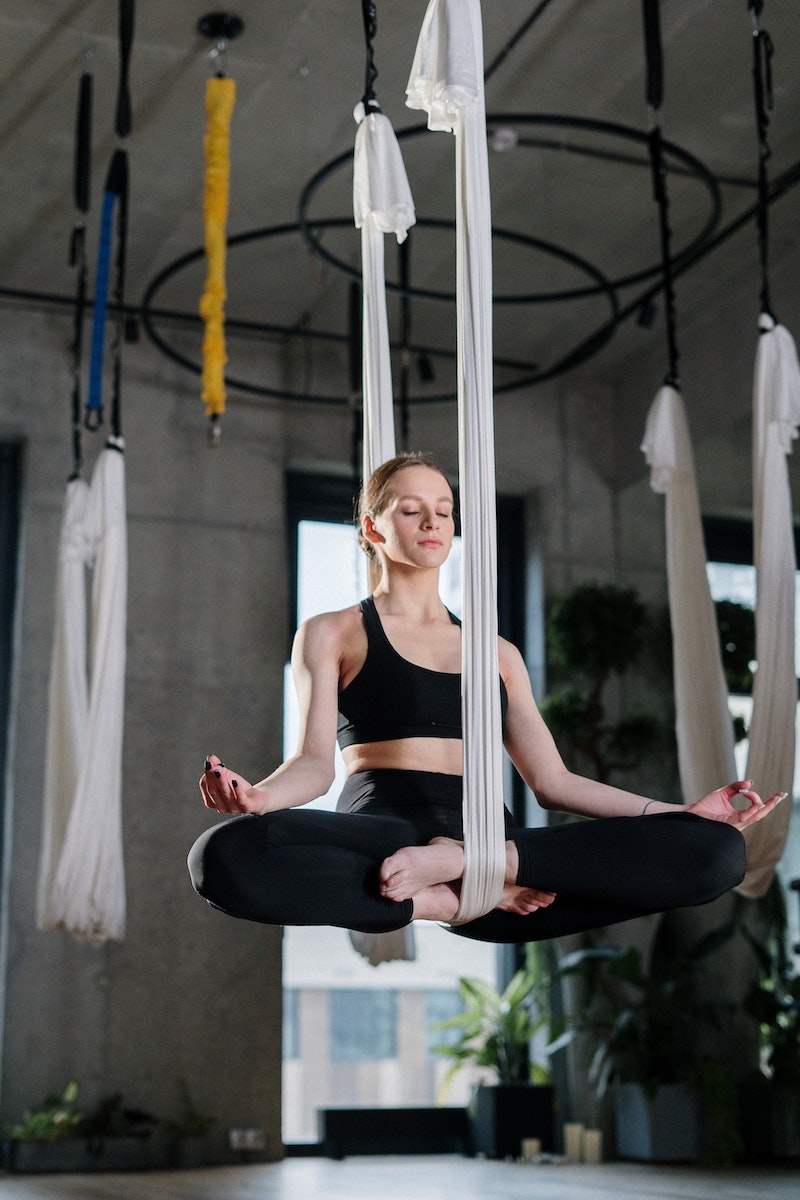
Yoga combines physical postures, breathing exercises, and meditation to promote relaxation and overall well-being. Regular yoga practice can improve flexibility, strength, and balance while reducing stress and anxiety.

There are various styles and levels of yoga, so it’s important to find a class or video that suits your needs and abilities. Through gentle stretches, mindful movements, and deep breathing, yoga can help you find serenity and connect your mind, body, and spirit.

Benefits of Yoga and Stretching:

  • Increases flexibility, strength, and balance.
  • Reduces stress and anxiety by promoting relaxation.
  • Improves posture and body alignment.
  • Enhances overall physical and mental well-being.

5. Nature Walks and Outdoor Activities

Spending time in nature is a fantastic way to relax and rejuvenate. Whether it’s taking a leisurely stroll in a park, hiking through a forest, or simply sitting by the beach, immersing ourselves in natural surroundings can have a profound impact on our well-being.

Being in nature allows us to disconnect from the demands of our daily lives and connect with the present moment. The beauty and tranquility of the outdoors can help reduce stress, lower blood pressure, and improve our mood. So, make it a habit to spend time in nature regularly and reap the numerous benefits it offers.

Benefits of Nature Walks and Outdoor Activities:

  • Reduces stress and promotes relaxation.
  • Lowers blood pressure and improves cardiovascular health.
  • Enhances mood and overall sense of well-being.
  • Provides an opportunity for physical activity and exercise.

Conclusion

Incorporating relaxation methods into our lives is crucial for nurturing wellness and finding serenity. The techniques mentioned above, such as deep breathing, progressive muscle relaxation, mindfulness meditation, yoga, and spending time in nature, can all contribute to reducing stress, improving our mood, and enhancing our overall well-being.

Remember, finding moments of serenity doesn’t have to be complicated or time-consuming. By dedicating just a few minutes each day to relaxation techniques, we can create a positive impact on our physical and mental health. So, start prioritizing relaxation today and embark on a journey towards a more serene and balanced life.

  1. Why is relaxation important for our well-being?
  • Relaxation is essential for our well-being because it helps combat stress, reduce stress hormone levels, alleviate anxiety, and improve overall mood. It also enhances the immune system, improves sleep quality, and boosts energy levels.
  1. What are some relaxation techniques?
  • Some relaxation techniques include deep breathing exercises, progressive muscle relaxation, mindfulness meditation, yoga and stretching, and spending time in nature or engaging in outdoor activities.
  1. How does deep breathing help with relaxation?
  • Deep breathing activates the body’s relaxation response, slowing down the heart rate, lowering blood pressure, and relaxing the muscles. It also increases oxygen intake, improving overall well-being.
  1. How does mindfulness meditation benefit our mental well-being?
  • Mindfulness meditation cultivates a sense of calm, reduces stress, increases self-awareness, helps manage negative thoughts and emotions, improves focus and attention span, and enhances overall mental well-being and emotional resilience.

Embrace Calm: Elevate Stress Relief with Relaxation Techniques

admin | August 31st, 2023


In today’s fast-paced world, stress and anxiety have become all too common. It is crucial to prioritize our mental well-being by embracing relaxation techniques that promote a sense of calm and tranquility. By incorporating these practices into our daily lives, we can elevate our stress relief and achieve a greater sense of overall well-being. In this article, we will explore various relaxation techniques that can help you find your inner peace and harmony.

The Importance of Stress Relief

Before we delve into the different relaxation techniques, let’s take a moment to understand why stress relief is crucial for our overall health and well-being. Chronic stress not only affects our mental state but also takes a toll on our physical health. It can lead to various health problems such as high blood pressure, weakened immune system, and cardiovascular diseases.

By actively practicing relaxation techniques, we can reduce the harmful effects of stress on our bodies and minds. These techniques not only provide immediate relief but also help us build resilience to future stressors. Let’s explore some effective relaxation techniques that you can incorporate into your daily routine.

1. Meditation and Mindfulness

Meditation and mindfulness have gained significant popularity in recent years due to their profound impact on reducing stress. These practices involve focusing your attention and eliminating the stream of thoughts that often contribute to stress and anxiety.

  • Find a quiet and peaceful space where you can sit comfortably. This can be a designated meditation corner in your home or a serene spot in nature.
  • Close your eyes and take slow, deep breaths, allowing your body to relax. Focus on the sensation of your breath entering and leaving your body.
  • As thoughts arise, acknowledge them without judgment and gently bring your attention back to your breath. This process helps cultivate present-moment awareness.
  • Start with short meditation sessions, such as 5-10 minutes, and gradually increase the duration as you become more comfortable.

Regular practice of meditation and mindfulness can help you achieve a sense of calm and clarity, allowing you to better cope with stressors in your daily life. It enhances your ability to stay present and reduces the tendency to ruminate on past or future worries.

2. Deep Breathing Exercises

Deep breathing exercises are simple yet highly effective techniques for relieving stress and promoting relaxation. By consciously slowing down and deepening your breath, you activate the body’s relaxation response, leading to a state of calmness.

  • Find a comfortable position, either sitting or lying down, where you can fully relax your body.
  • Close your eyes and take a few deep breaths in through your nose, allowing your abdomen to rise. Focus on filling your lungs with air completely.
  • Exhale slowly through your mouth, feeling the tension leaving your body with each breath. Pay attention to the sensation of release.
  • Continue this deep breathing pattern for a few minutes, focusing on each breath and allowing yourself to fully relax.

Incorporating deep breathing exercises into your daily routine, especially during stressful situations, can significantly reduce anxiety and promote a sense of calm. It is a portable technique that you can use anytime and anywhere to regain control over your breath and find inner peace.

3. Progressive Muscle Relaxation

Progressive muscle relaxation is a technique that involves systematically tensing and then relaxing each muscle group in your body. By intentionally releasing muscle tension, you can experience deep relaxation and alleviate stress.

  • Start by finding a comfortable position and take a few deep breaths to center yourself.
  • Begin with your toes and gradually work your way up, tensing and then relaxing each muscle group. Hold the tension for a few seconds before releasing it completely.
  • Pay attention to the sensations in each muscle group, focusing on the contrast between tension and relaxation. Notice how it feels when the tension melts away.
  • Allow yourself to fully relax and let go of any residual tension as you progress through each muscle group.

Practicing progressive muscle relaxation regularly can help you become more aware of tension in your body and enable you to release it, promoting a deep sense of relaxation. This technique is particularly beneficial for individuals who carry stress in specific areas of their body, such as the shoulders or jaw.

4. Visualization and Guided Imagery

Visualization and guided imagery techniques involve using your imagination to create calming mental images. By engaging your senses and focusing on positive imagery, you can reduce stress and create a mental escape from everyday worries.

  • Find a quiet and comfortable space where you can relax without distractions. This can be a cozy corner in your home or a peaceful outdoor setting.
  • Close your eyes and take a few deep breaths to center yourself. Allow your body to settle into a relaxed state.
  • Visualize a peaceful and serene place, such as a beach or a lush forest. Imagine the sights, sounds, and smells associated with this place.
  • Immerse yourself in that mental image, engaging all your senses to create a vivid experience. Feel the warmth of the sun, hear the sounds of nature, and breathe in the fresh air.
  • Stay in this calming visualization for a few minutes, allowing yourself to fully immerse in the tranquility of the scene.

Visualization and guided imagery can transport your mind to a place of serenity, providing a much-needed break from stress and anxiety. It serves as a mini-vacation for your mind, allowing you to recharge and restore balance.

5. Yoga and Stretching

Physical exercise, particularly yoga and stretching, can be highly effective in reducing stress and promoting relaxation. These practices combine movement, breath control, and mindfulness, creating a holistic approach to stress relief.

  • Choose a beginner-friendly yoga routine or a series of gentle stretches that focus on releasing tension in the body.
  • Find a quiet space where you can practice without distractions. Consider playing soft music or lighting candles to create a soothing ambiance.
  • Focus on your breath and move through each pose mindfully, paying attention to the sensations in your body. Allow your breath to guide your movements.
  • Engage in yoga or stretching sessions regularly, aiming for at least a few times per week. Consistency is key for reaping the full benefits of these practices.

Yoga and stretching not only help release physical tension but also promote a sense of mental calmness and well-being. The combination of gentle movement, breath awareness, and mindfulness creates a harmonious flow that can alleviate stress and restore balance to your body and mind.

Conclusion

Incorporating relaxation techniques into your daily life can have transformative effects on your stress levels and overall well-being. Whether through meditation, deep breathing, progressive muscle relaxation, visualization, or yoga, finding the technique that resonates with you is essential.

By consistently practicing these techniques, you can embrace calm and elevate your stress relief, allowing yourself to experience a greater sense of peace, tranquility, and balance in your life.

Note: This article is provided in markdown format as requested.

FAQ

1. Why is stress relief important?

Chronic stress can have negative effects on both our mental and physical health, including high blood pressure, weakened immune system, and cardiovascular diseases. By actively practicing relaxation techniques, we can reduce the harmful effects of stress on our bodies and minds.

2. How does meditation and mindfulness help with stress relief?

Meditation and mindfulness practices involve focusing your attention and eliminating the stream of thoughts that contribute to stress and anxiety. Regular practice of meditation and mindfulness can help you achieve a sense of calm and clarity, allowing you to better cope with stressors in your daily life.

3. What are deep breathing exercises and how do they help with relaxation?

Deep breathing exercises involve consciously slowing down and deepening your breath to activate the body’s relaxation response. By incorporating deep breathing exercises into your daily routine, especially during stressful situations, you can significantly reduce anxiety and promote a sense of calm.

4. How does progressive muscle relaxation work to alleviate stress?

Progressive muscle relaxation involves systematically tensing and then relaxing each muscle group in your body. By intentionally releasing muscle tension, you can experience deep relaxation and alleviate stress. Practicing progressive muscle relaxation regularly can help you become more aware of tension in your body and enable you to release it.

Mindful Tranquility: Exploring Mental Wellness through Stress Relief

admin | August 31st, 2023


Stress has become an inevitable part of our modern lives, affecting our mental and physical well-being. However, by incorporating mindful techniques and seeking tranquility, we can effectively manage and reduce stress, leading to enhanced mental wellness. In this article, we will delve into various stress relief strategies and explore the profound impact they can have on our overall well-being.

Understanding Stress and its Effects

Before we dive into stress relief techniques, it is crucial to understand what stress is and how it affects our mental wellness. Stress is a natural response to any demand or pressure placed on the mind and body. While a certain level of stress can be motivational, excessive and chronic stress can have detrimental effects on our mental health.

When we experience stress, our bodies release stress hormones such as cortisol, which can lead to increased heart rate, elevated blood pressure, and heightened anxiety. Additionally, chronic stress has been associated with various mental health issues, including depression, anxiety disorders, and even cognitive decline. Therefore, it is vital to explore methods of stress relief and promote mental tranquility.

The Power of Mindfulness

One effective approach to stress relief is the practice of mindfulness. Mindfulness involves paying deliberate attention to the present moment without judgment. By focusing on the here and now, we can cultivate a sense of tranquility and reduce stress levels. Here are some mindfulness techniques that can be incorporated into your daily routine:

  1. Meditation: Take a few minutes each day to sit quietly and focus on your breath. Observe your thoughts without attachment, allowing them to come and go. Meditation can help calm the mind, reduce stress, and improve overall mental well-being.

  2. Mindful Breathing: Whenever you feel overwhelmed or stressed, take a moment to focus on your breath. Breathe in deeply through your nose, hold for a few seconds, and exhale slowly through your mouth. This simple technique can instantly bring a sense of calm and tranquility.

  3. Body Scan: Lie down or sit comfortably and bring your attention to each part of your body, starting from your toes and moving up to your head. Notice any sensations or areas of tension, and consciously release them as you exhale. This practice helps promote relaxation and releases physical tension associated with stress.

By incorporating these mindfulness techniques into our daily lives, we can effectively reduce stress and cultivate a greater sense of mental tranquility.

Exploring Stress Relief Techniques

Apart from mindfulness, there are various stress relief techniques that can contribute to mental wellness. Let’s explore some effective strategies and tools that you can incorporate into your daily routine:

1. Physical Exercise

Engaging in regular physical exercise not only benefits our physical health but also plays a significant role in stress reduction. Exercise releases endorphins, which are natural mood-enhancing chemicals, and promotes better sleep, both of which are essential for mental well-being. Consider incorporating activities such as walking, jogging, yoga, or dancing into your routine.

Regular physical exercise not only helps to reduce stress but also improves overall well-being. It increases the production of endorphins, which are natural mood boosters, and helps regulate sleep patterns, leading to better mental health. Activities like walking, jogging, yoga, or dancing can be enjoyable ways to incorporate exercise into your daily routine.

2. Healthy Lifestyle Choices

Maintaining a healthy lifestyle can significantly impact your stress levels. Ensure you get adequate sleep, eat a balanced diet, and limit the consumption of stimulants such as caffeine and alcohol. Engaging in activities you enjoy, spending time with loved ones, and setting realistic goals can also contribute to a more balanced and stress-free life.

A healthy lifestyle is crucial for managing stress and promoting mental wellness. Getting sufficient sleep, consuming a balanced diet, and avoiding excessive intake of stimulants like caffeine and alcohol are essential. Engaging in activities that bring you joy, spending quality time with loved ones, and setting achievable goals can also contribute to a more balanced and stress-free life.

3. Journaling and Expressive Writing

Writing down your thoughts and feelings in a journal can be a therapeutic practice for stress relief. It allows you to process your emotions, gain insights, and develop a greater sense of self-awareness. Consider setting aside a few minutes each day to reflect on your experiences and jot down your thoughts. This practice can help declutter your mind and promote mental clarity.

Journaling and expressive writing can be powerful tools for stress relief. Taking the time to write down your thoughts and emotions in a journal helps you process your experiences, gain valuable insights, and enhance self-awareness. By dedicating a few minutes each day to reflect and write, you can declutter your mind and achieve a greater sense of mental clarity.

4. Social Support

Building and nurturing strong relationships can be a powerful tool for stress reduction. Seek support from trusted friends, family members, or even professional counselors. Sharing your burdens and connecting with others can provide emotional relief and a sense of belonging. Engaging in social activities and participating in community events can also contribute to a more fulfilling and stress-free life.

Social support plays a crucial role in managing stress and promoting mental wellness. Reach out to trusted friends, family members, or seek professional counseling when needed. Sharing your challenges and connecting with others can provide emotional relief and a sense of belonging. Engaging in social activities and participating in community events can also contribute to a more fulfilling and stress-free life.

In conclusion, prioritizing stress relief and embracing mindful techniques can lead us to a path of mental wellness and tranquility. Incorporating practices like meditation, mindful breathing, and body scans into our daily routine can help reduce stress levels and promote overall mental well-being. Additionally, engaging in physical exercise, adopting a healthy lifestyle, journaling, and seeking social support are valuable strategies for managing stress and enhancing our quality of life. Remember, taking care of your mental wellness is not selfish; it is a vital aspect of leading a fulfilling and balanced life. So, start your journey towards mindful tranquility and experience the transformative impact it can have on your overall well-being.

FAQ

1. What is stress and how does it affect our mental wellness?

Stress is a natural response to demands or pressure placed on the mind and body. While some stress can be motivational, excessive and chronic stress can have detrimental effects on our mental health. It can lead to increased heart rate, elevated blood pressure, heightened anxiety, and various mental health issues such as depression, anxiety disorders, and cognitive decline.

2. How does mindfulness help with stress relief?

Mindfulness is an effective approach to stress relief. It involves paying deliberate attention to the present moment without judgment. By focusing on the here and now, mindfulness can cultivate a sense of tranquility and reduce stress levels. Mindfulness techniques such as meditation, mindful breathing, and body scans can help calm the mind, reduce stress, and improve overall mental well-being.

3. What are some other stress relief techniques besides mindfulness?

Besides mindfulness, there are other stress relief techniques that can contribute to mental wellness. Physical exercise, such as walking, jogging, yoga, or dancing, releases endorphins and promotes better sleep, both essential for mental well-being. Maintaining a healthy lifestyle, including adequate sleep, a balanced diet, and limiting stimulants like caffeine and alcohol, can significantly impact stress levels. Journaling and expressive writing can be therapeutic for stress relief, helping to process emotions and gain self-awareness. Seeking social support from friends, family, or professional counselors can provide emotional relief and a sense of belonging.

4. How can I incorporate stress relief techniques into my daily routine?

To incorporate stress relief techniques into your daily routine, you can set aside a few minutes each day for meditation or mindful breathing. Find time for physical exercise, whether it’s a walk, yoga session, or dance class. Make healthy lifestyle choices by prioritizing sleep, eating a balanced diet, and engaging in activities you enjoy. Dedicate a few minutes each day to journaling and expressive writing. Seek support from trusted individuals or professionals when needed and participate in social activities or community events to foster strong relationships and a sense of belonging.

Calm the Mind, Nourish the Soul: Discover Benefits of Stress Relief

admin | August 31st, 2023


Stress has become an inevitable part of our lives, affecting us physically, mentally, and emotionally. The constant pressures of work, relationships, and daily responsibilities can take a toll on our overall well-being. However, by practicing stress relief techniques, we can achieve a state of calmness and nourish our souls. In this article, we will explore the benefits of stress relief and how it can positively impact our lives.

Understanding Stress and Its Effects

Before we delve into the benefits of stress relief, let’s first understand what stress is and how it affects us. Stress is our body’s response to certain situations, often triggered by external factors such as work deadlines, financial issues, or personal conflicts. When our body perceives a threat, it releases stress hormones, such as cortisol and adrenaline, to prepare us for a fight-or-flight response.

While acute stress can be beneficial in certain situations, chronic stress can have detrimental effects on our physical and mental health. It can lead to a variety of symptoms, including anxiety, fatigue, headaches, muscle tension, and even cardiovascular problems. That’s why it is crucial to find effective ways to manage and relieve stress in our lives.

The Benefits of Stress Relief

  1. Improved Mental Health: One of the significant benefits of stress relief is improved mental well-being. By engaging in stress-relieving activities, such as mindfulness meditation, deep breathing exercises, or journaling, we can reduce anxiety and promote a sense of calmness. These practices help us break free from negative thought patterns and allow us to focus on the present moment.

    • Mindfulness meditation involves focusing our attention on the present moment and accepting it without judgment. By practicing mindfulness, we can reduce stress, enhance self-awareness, and cultivate a sense of inner peace.

    • Deep breathing exercises help activate the body’s relaxation response and promote a state of calmness. By consciously focusing on our breath and inhaling deeply through our nose and exhaling through our mouth, we can reduce anxiety, lower blood pressure, and enhance our overall well-being.

    • Journaling allows us to express our thoughts, emotions, and worries on paper. This practice helps release pent-up stress, provides clarity, and promotes self-reflection.

  2. Enhanced Physical Health: Chronic stress can negatively impact our physical health, leading to conditions like high blood pressure, weakened immune system, and digestive disorders. Engaging in stress relief techniques, such as regular exercise, can help lower blood pressure, boost our immune system, and improve overall physical fitness.

    • Regular exercise releases endorphins, also known as feel-good hormones, which help alleviate stress and boost our mood. Whether it’s going for a walk, jogging, dancing, or practicing yoga, finding a form of exercise that we enjoy can significantly contribute to stress relief.

    • Exercise also improves cardiovascular health, increases energy levels, and promotes better sleep, all of which play a crucial role in our overall well-being.

    • Additionally, incorporating relaxation techniques, such as progressive muscle relaxation or practicing tai chi, can help reduce muscle tension, relieve headaches, and improve overall physical relaxation.

  3. Increased Productivity: Stress often hampers our ability to concentrate and be productive. By incorporating stress relief techniques into our daily routine, we can enhance our focus, creativity, and problem-solving skills. This, in turn, improves our productivity and allows us to achieve better results in our personal and professional lives.

    • Time management techniques, such as prioritizing tasks, setting realistic goals, and breaking tasks into smaller, manageable steps, can help reduce stress and improve productivity.

    • Taking short breaks throughout the day, practicing mindfulness, and engaging in activities that bring joy and relaxation can recharge our energy levels and increase our overall productivity.

    • Additionally, incorporating stress-relieving activities during breaks, such as stretching exercises, deep breathing, or listening to calming music, can help reduce stress and increase mental clarity.

  4. Better Sleep: Sleep disturbances are common in individuals experiencing stress. However, by practicing stress relief techniques before bedtime, such as taking a warm bath, reading a book, or practicing gentle stretching exercises, we can promote better sleep quality. Quality sleep is essential for our overall well-being and plays a crucial role in maintaining optimal cognitive function.

    • Establishing a consistent bedtime routine, creating a relaxing sleep environment, and avoiding electronic devices before bed can help signal our bodies that it’s time to unwind and prepare for sleep.

    • Engaging in relaxation techniques, such as progressive muscle relaxation or guided imagery, can help calm the mind and promote a deeper, more restful sleep.

    • It is also important to ensure that our sleep environment is comfortable, cool, and free from distractions that may interfere with sleep quality.

  5. Enhanced Relationships: Chronic stress can strain our relationships with loved ones. By prioritizing stress relief, we can effectively manage our emotions and communicate more effectively, leading to healthier and more fulfilling relationships. When we are in a state of calmness, we are more compassionate, understanding, and empathetic towards others.

    • Active listening, expressing gratitude, and practicing empathy are essential skills for reducing stress and improving relationships.

    • Engaging in stress-relieving activities as a couple or with family and friends, such as going for a walk together, practicing yoga, or having a game night, can strengthen bonds and create shared moments of relaxation and enjoyment.

    • It is also important to establish clear boundaries and prioritize self-care, as this will help us manage stress more effectively and maintain healthier relationships.

  6. Boosted Immunity: Prolonged stress weakens our immune system, making us more susceptible to illnesses and infections. Engaging in stress relief techniques, such as practicing yoga or engaging in hobbies we enjoy, can boost our immune system and promote overall well-being. A healthy immune system is crucial for our body’s ability to fight off diseases and maintain optimal health.

    • Yoga combines physical movement, breathing exercises, and meditation, which can help reduce stress, boost the immune system, and improve overall well-being.

    • Engaging in hobbies and leisure activities that bring joy and relaxation, such as gardening, painting, or playing a musical instrument, can provide a much-needed break from stress and enhance our overall well-being.

    • Additionally, ensuring a balanced diet, staying hydrated, and incorporating immune-boosting foods, such as fruits, vegetables, and whole grains, can further support our immune system and overall health.

Effective Stress Relief Techniques

Now that we understand the benefits of stress relief, let’s explore some effective techniques that can help us achieve a sense of calmness and nourishment:

1. Mindfulness Meditation

Mindfulness meditation involves focusing our attention on the present moment and accepting it without judgment. By practicing mindfulness, we can reduce stress, enhance self-awareness, and cultivate a sense of inner peace.

  • Find a quiet and comfortable space where you can sit or lie down without distractions.
  • Close your eyes and bring your attention to your breath, observing each inhalation and exhalation.
  • If your mind starts to wander, gently bring your focus back to your breath without judgment.
  • Start with short sessions of 5-10 minutes and gradually increase the duration as you become more comfortable with the practice.
  • Incorporate mindfulness meditation into your daily routine, such as in the morning or before bedtime.

2. Deep Breathing Exercises

Deep breathing exercises help activate the body’s relaxation response and promote a state of calmness. By consciously focusing on our breath and inhaling deeply through our nose and exhaling through our mouth, we can reduce anxiety, lower blood pressure, and enhance our overall well-being.

  • Find a comfortable sitting or lying position and close your eyes.
  • Inhale deeply through your nose, filling your lungs with air, and feel your belly rise.
  • Exhale slowly through your mouth, emptying your lungs completely, and feel your belly fall.
  • Repeat this deep breathing pattern for several minutes, focusing on the sensation of your breath.
  • You can also incorporate visualization techniques by imagining inhaling positive energy and exhaling stress and tension.

3. Regular Exercise

Engaging in regular physical activity releases endorphins, also known as feel-good hormones, which help alleviate stress and boost our mood. Whether it’s going for a walk, jogging, dancing, or practicing yoga, finding a form of exercise that we enjoy can significantly contribute to stress relief.

  • Choose an exercise or physical activity that you enjoy and can easily incorporate into your daily routine.
  • Aim for at least 30 minutes of moderate-intensity exercise most days of the week.
  • Find a workout buddy or join a fitness class to make exercise more enjoyable and hold yourself accountable.
  • Incorporate a variety of exercises to keep things interesting and challenge your body in different ways.
  • Listen to your body and choose activities that align with your fitness level and any physical limitations you may have.

4. Adequate Sleep

Getting enough sleep is vital for stress relief and overall well-being. Establishing a bedtime routine, creating a conducive sleep environment, and practicing relaxation techniques before bed can help improve sleep quality and reduce stress levels.

  • Set a consistent sleep schedule by going to bed and waking up at the same time every day, even on weekends.
  • Create a relaxing bedtime routine that includes activities such as reading a book, taking a warm bath, or practicing gentle stretching exercises.
  • Make your sleep environment comfortable, cool, and free from distractions such as electronic devices or excessive noise.
  • Avoid consuming caffeine, nicotine, or alcohol close to bedtime, as they can interfere with sleep quality.
  • Practice relaxation techniques before bed, such as progressive muscle relaxation or guided imagery, to calm the mind and prepare for sleep.

5. Healthy Lifestyle Choices

Maintaining a balanced diet, staying hydrated, and limiting the intake of caffeine, alcohol, and nicotine can positively impact our stress levels. Nourishing our bodies with wholesome foods and staying properly hydrated helps support our physical and mental well-being.

  • Focus on consuming a variety of nutrient-dense foods, such as fruits, vegetables, whole grains, lean proteins, and healthy fats.
  • Stay properly hydrated by drinking an adequate amount of water throughout the day. Carry a water bottle with you to ensure you have easy access to hydration.
  • Limit the intake of caffeine, as it can increase anxiety and disrupt sleep patterns. Opt for herbal teas or decaffeinated options instead.
  • Avoid excessive alcohol consumption, as it can worsen symptoms of stress and anxiety. Drink in moderation and consider healthier alternatives such as mocktails or infused water.
  • Quit smoking or limit nicotine intake, as nicotine is a stimulant that can increase stress and anxiety levels.

6. Engaging in Hobbies and Leisure Activities

Taking time out for activities we enjoy, such as reading, painting, gardening, or playing a musical instrument, can provide a much-needed break from daily stressors. Engaging in hobbies promotes a sense of fulfillment, relaxation, and creativity.

  • Make a list of activities or hobbies that bring you joy and relaxation.
  • Set aside dedicated time in your schedule to engage in these activities regularly.
  • Create a comfortable and inviting space where you can fully immerse yourself in your hobbies.
  • Experiment with new hobbies or revisit ones you used to enjoy to keep things interesting and explore different forms of self-expression.
  • Share your hobbies with others by joining clubs, classes, or online communities to connect with like-minded individuals and foster a sense of community.

Conclusion

In conclusion, stress relief is crucial for maintaining a healthy mind, body, and soul. By incorporating stress relief techniques into our daily lives, we can experience numerous benefits, including improved mental health, enhanced physical well-being, increased productivity, better sleep, stronger relationships, and a boosted immune system. Make a commitment to prioritize stress relief and discover the profound positive impact it can have on your life. Remember, a calm mind and nourished soul are essential for leading a fulfilling and balanced life.

  1. What is stress relief and why is it important?
  • Stress relief refers to the practice of engaging in activities or techniques that help reduce and manage stress. It is important because chronic stress can have negative effects on our physical and mental health, and practicing stress relief can improve our overall well-being.
  1. What are the benefits of stress relief?
  • The benefits of stress relief include improved mental health, enhanced physical health, increased productivity, better sleep, enhanced relationships, and a boosted immune system.
  1. What are some effective stress relief techniques?
  • Some effective stress relief techniques include mindfulness meditation, deep breathing exercises, regular exercise, adequate sleep, healthy lifestyle choices, and engaging in hobbies and leisure activities.
  1. How can stress relief improve mental health?
  • Stress relief can improve mental health by reducing anxiety, promoting a sense of calmness, breaking free from negative thought patterns, enhancing self-awareness, and cultivating inner peace. Techniques such as mindfulness meditation, deep breathing exercises, and journaling can help achieve these benefits.

Embrace Inner Peace: Elevate Mental Wellness with Stress Relief

admin | August 31st, 2023


In our fast-paced and demanding world, stress has become a common companion for many individuals. The constant pressure from work, relationships, and other life commitments can take a toll on our mental well-being. However, finding ways to manage and reduce stress is crucial for maintaining a healthy and peaceful life. In this article, we will explore various strategies and techniques to embrace inner peace and elevate our mental wellness through effective stress relief.

Understanding the Impact of Stress on Mental Wellness

Before delving into stress relief techniques, it is important to understand how stress affects our mental well-being. Chronic stress can lead to a range of mental health issues, including anxiety, depression, and even physical ailments. When stress becomes overwhelming and unmanaged, it disrupts our emotional and cognitive functioning, making it difficult to find inner peace.

To better comprehend the impact of stress on mental wellness, consider the following points:

  1. Physical Health: Prolonged stress can lead to physical symptoms such as headaches, muscle tension, and fatigue. It can also weaken the immune system, making you more susceptible to illnesses.

  2. Emotional Well-being: Stress can often trigger feelings of anxiety, irritability, and sadness. It may also affect your ability to concentrate and make decisions.

  3. Relationships: High levels of stress can strain relationships, leading to conflicts and communication breakdowns. It is essential to address and manage stress to maintain healthy connections with others.

  4. Productivity: Excessive stress can hinder your productivity and performance at work or in other areas of life. By managing stress effectively, you can enhance your focus and overall efficiency.

Identify Your Stress Triggers

The first step towards stress relief is identifying the sources or triggers of stress in your life. It could be work-related deadlines, financial pressures, relationship conflicts, or any other factors that contribute to your stress levels. Take some time to reflect and make a list of these triggers. Once you are aware of what causes stress for you, it becomes easier to work towards managing it.

Consider the following tips to identify your stress triggers:

  1. Self-Reflection: Set aside dedicated time to reflect on your daily experiences and emotions. Journaling or keeping a stress diary can help you identify patterns and recurring situations that induce stress.

  2. Physical and Emotional Reactions: Pay attention to your body and emotions when you feel stressed. Notice any changes, such as increased heart rate, shallow breathing, or feelings of overwhelm. These physical and emotional reactions can provide insights into your stress triggers.

  3. Feedback from Others: Seek feedback from trusted friends, family members, or colleagues about behaviors or situations that seem to cause stress for you. Sometimes, others may have a different perspective that can shed light on your stress triggers.

Once you have a clear understanding of your stress triggers, you can take proactive steps to manage and reduce their impact on your mental wellness.

Practice Mindfulness and Meditation

Mindfulness and meditation have gained significant popularity in recent years for their effectiveness in reducing stress and promoting mental well-being. Engaging in regular meditation practices allows you to cultivate a sense of calm and focus, helping you detach from stressors and find inner peace. Consider incorporating mindfulness exercises into your daily routine, such as deep breathing, body scans, or guided meditation sessions.

To reap the benefits of mindfulness and meditation, try the following techniques:

  1. Deep Breathing: Take slow, deep breaths, focusing on the sensation of air entering and leaving your body. Deep breathing activates the body’s relaxation response, reducing stress and promoting a state of calm.

  2. Body Scans: Close your eyes and bring your attention to different parts of your body, starting from your toes and gradually moving upward. Notice any sensations or areas of tension, allowing them to release as you focus on each body part.

  3. Guided Meditation: Utilize guided meditation apps or audio recordings to help you navigate through different meditation practices. These resources provide step-by-step instructions, making it easier for beginners to incorporate meditation into their routine.

By practicing mindfulness and meditation regularly, you can develop a greater sense of self-awareness, reduce stress, and cultivate inner peace.

Prioritize Self-Care

Taking care of yourself is crucial for maintaining mental wellness and managing stress. Make self-care a priority by engaging in activities that bring you joy and relaxation. This can include hobbies, exercise, spending time in nature, or simply pampering yourself with a warm bath or a good book. By dedicating time to self-care, you replenish your energy reserves and enhance your ability to cope with stress.

Here are some self-care practices to consider:

  1. Hobbies and Leisure Activities: Engage in activities that bring you pleasure and help you unwind. It could be painting, gardening, playing a musical instrument, or any other hobby that allows you to escape from daily stressors.

  2. Physical Activity: Regular exercise not only benefits your physical well-being but also has a positive impact on your mental health. Find an exercise routine that suits your preferences and schedule, whether it’s yoga, running, dancing, or any other form of physical activity.

  3. Nature Therapy: Spend time in nature to recharge and find solace. Take a walk in the park, go hiking, or simply sit by the beach. Connecting with nature can have a calming effect on your mind and reduce stress levels.

  4. Relaxation Techniques: Explore different relaxation techniques such as taking a warm bath, practicing deep breathing exercises, or enjoying a massage. These activities promote relaxation and help alleviate stress.

By incorporating self-care practices into your daily routine, you nurture your mental well-being and create a strong foundation for stress relief.

Establish Healthy Boundaries

Setting boundaries in both personal and professional relationships is essential for reducing stress. Learn to say no when you feel overwhelmed and prioritize your own well-being. Communicate your needs clearly to others and establish boundaries that protect your mental health. By creating healthy boundaries, you prevent excessive stress and maintain a sense of control over your life.

Consider the following tips for setting healthy boundaries:

  1. Self-Reflection: Reflect on your personal values, priorities, and limits. Understand what is acceptable and what is not in terms of your mental well-being.

  2. Clear Communication: Communicate your boundaries assertively and respectfully. Use “I” statements to express your needs and expectations.

  3. Consistency: Be consistent in upholding your boundaries. This helps establish a sense of predictability and respect among those around you.

  4. Seek Support: Surround yourself with individuals who respect and support your boundaries. Seek guidance from friends, family, or professionals if you need assistance in establishing and maintaining healthy boundaries.

By setting and enforcing healthy boundaries, you create a safe and balanced environment that promotes well-being and minimizes stress.

Foster Supportive Relationships

Surrounding yourself with supportive and positive individuals can significantly contribute to your mental wellness. Seek out relationships that uplift and inspire you, where you can openly discuss your feelings and concerns. Having a strong support system helps alleviate stress, as you have someone to lean on during challenging times. Additionally, consider joining support groups or seeking therapy if you need professional guidance in managing stress.

To foster supportive relationships, consider the following:

  1. Nurture Existing Relationships: Invest time and effort into maintaining and strengthening your current relationships. Engage in meaningful conversations, actively listen, and offer support to those who reciprocate.

  2. Seek Like-Minded Communities: Join groups or communities that share similar interests or goals. This allows you to connect with individuals who understand and appreciate your journey towards inner peace.

  3. Therapeutic Support: If necessary, seek the help of a therapist or counselor who can provide professional guidance and support. They can help you navigate through challenging situations and develop effective coping mechanisms.

By cultivating supportive relationships, you create a network of individuals who uplift and empower you, contributing to your overall mental well-being.

Engage in Regular Exercise

Physical exercise not only benefits our physical well-being but also plays a vital role in reducing stress and improving mental health. Engage in regular exercise activities that you enjoy, such as walking, jogging, yoga, or dancing. Exercise releases endorphins, also known as feel-good hormones, which help alleviate stress and promote a positive mood. Aim for at least 30 minutes of moderate-intensity exercise most days of the week.

Consider the following benefits of regular exercise for stress relief:

  1. Stress Reduction: Exercise helps reduce the production of stress hormones and triggers the release of endorphins, which act as natural mood boosters.

  2. Improved Sleep: Regular physical activity promotes better sleep quality, which is essential for managing stress and maintaining mental well-being.

  3. Increased Resilience: Engaging in exercise strengthens your body and mind, enhancing your ability to cope with stress and bounce back from challenging situations.

  4. Distraction and Focus: Exercise provides a healthy distraction from stressors and allows you to focus on the present moment, promoting mindfulness and relaxation.

By incorporating regular exercise into your routine, you can significantly reduce stress levels, improve your mood, and enhance your overall mental wellness.

Practice Time Management

Poor time management often leads to increased stress levels. Learning effective time management techniques can help you regain control over your schedule and reduce stress. Prioritize tasks based on importance and urgency, delegate when possible, and break large projects into smaller, manageable tasks. By managing your time effectively, you create space for relaxation, leisure, and self-care, leading to better mental wellness.

Consider the following time management strategies:

  1. Prioritization: Identify the most important tasks and allocate time accordingly. Focus on completing high-priority tasks before moving on to less urgent ones.

  2. Delegation: Learn to delegate tasks that can be handled by others. This frees up your time and allows you to focus on tasks that require your expertise or attention.

  3. Break Tasks Down: Break down large projects into smaller, achievable tasks. This prevents overwhelm and helps you make progress consistently.

  4. Time Blocking: Allocate specific time blocks for different activities or tasks. This helps create structure and prevents time from slipping away unnoticed.

By effectively managing your time, you can reduce stress, increase productivity, and create a sense of balance in your life.

Embrace Healthy Lifestyle Choices

Our lifestyle choices greatly impact our overall well-being, including our mental health. Make conscious efforts to adopt healthy habits such as getting enough sleep, maintaining a balanced diet, and limiting the consumption of alcohol and caffeine. A well-rested body and a nourished mind are better equipped to handle stress and promote inner peace.

Consider the following lifestyle choices for better mental wellness:

  1. Quality Sleep: Aim for 7-9 hours of uninterrupted sleep each night. Establish a bedtime routine and create a sleep-friendly environment to promote restful sleep.

  2. Nutritious Diet: Fuel your body with a balanced diet consisting of whole foods, fruits, vegetables, and lean proteins. Avoid excessive consumption of processed foods and sugary snacks, which can negatively impact your mood and energy levels.

  3. Hydration: Stay hydrated by drinking an adequate amount of water throughout the day. Dehydration can contribute to feelings of fatigue and irritability.

  4. Limit Alcohol and Caffeine: While alcohol and caffeine may provide temporary relief, excessive consumption can disrupt sleep patterns and worsen anxiety symptoms. Limit your intake to maintain optimal mental wellness.

By making healthy lifestyle choices, you provide your body and mind with the necessary tools to combat stress and enhance your overall well-being.

Seek Professional Help if Needed

If stress becomes overwhelming and starts to interfere with your daily functioning, do not hesitate to seek professional help. Mental health professionals, such as therapists or counselors, can provide valuable guidance and support tailored to your specific needs. They can help you develop coping mechanisms and provide techniques for managing stress effectively. Remember, seeking help is a sign of strength, and there is no shame in reaching out for professional assistance when needed.

When considering seeking professional help:

  1. Research: Look for reputable mental health professionals in your area or consider online therapy options. Read reviews and seek recommendations from trusted sources.

  2. Initial Consultation: Schedule an initial consultation to discuss your concerns and goals with the mental health professional. This allows you to determine if they are a good fit for your needs.

  3. Open Communication: Be honest and open with your therapist or counselor about your stress levels and mental well-being. This enables them to provide tailored support and guidance.

Remember, professional help can provide you with valuable tools and strategies to manage stress effectively and promote long-term mental wellness.

Conclusion

Embracing inner peace and elevating mental wellness is an ongoing journey that requires consistent effort and self-care. By identifying your stress triggers, practicing mindfulness, setting boundaries, fostering supportive relationships, engaging in regular exercise, managing your time effectively, and making healthy lifestyle choices, you can reduce stress and find inner peace. Remember, prioritizing your mental well-being is essential for leading a fulfilling and joyful life. Start implementing these strategies today and embrace the path towards a stress-free and peaceful existence.

Note: This article is written in markdown format for easy readability and formatting purposes. It can be easily converted to HTML or any other desired format.

  1. How does stress impact mental wellness?
    Stress can lead to physical symptoms, affect emotional well-being, strain relationships, and hinder productivity.

  2. How can I identify my stress triggers?
    You can identify stress triggers through self-reflection, paying attention to physical and emotional reactions, and seeking feedback from others.

  3. What are some mindfulness and meditation techniques for stress relief?
    Deep breathing, body scans, and guided meditation are effective mindfulness and meditation techniques for stress relief.

  4. Why is self-care important for managing stress?
    Self-care replenishes energy reserves, enhances coping abilities, and improves mental well-being, making it crucial for managing stress.

Smart Solutions for Accessibility: Discover Benefits of Reacher Aids

admin | August 31st, 2023


Introduction

In today’s world, accessibility is a crucial aspect that promotes inclusivity and improves the quality of life for individuals with mobility limitations. Technology has revolutionized the way we tackle accessibility challenges, and one such innovation is the development of reacher aids. These smart solutions are designed to assist individuals in accessing objects, enhancing their independence, and facilitating daily activities. In this article, we will explore the benefits of reacher aids and how they can significantly improve accessibility for people with mobility issues.

What are Reacher Aids?

Reacher aids, also known as grabbers or grabber tools, are handy devices designed to extend an individual’s reach. These tools consist of a handle on one end and a gripping mechanism on the other, allowing users to grasp objects that are out of their reach without the need for excessive movement or straining. Reacher aids come in various shapes, sizes, and materials, catering to different needs and preferences.

Benefits of Reacher Aids

  1. Enhanced Independence: Reacher aids empower individuals with limited mobility to perform everyday tasks independently. They provide a practical solution to reach objects from high shelves, pick up fallen items, or retrieve objects from low surfaces without the need for assistance. This increased independence fosters self-confidence and promotes a sense of autonomy.

    • Reacher aids enable individuals to maintain their independence by reducing their reliance on others for simple tasks. This sense of self-reliance can have a positive impact on their overall well-being and mental health.
    • With reacher aids, individuals can reach objects without having to rely on others to rearrange their environment or make adjustments to accommodate their mobility limitations.
    • The ability to perform tasks independently also allows individuals to maintain their privacy and dignity, as they can handle personal belongings or perform daily activities without assistance.
  2. Reduced Risk of Injury: Reaching for objects beyond one’s grasp can lead to accidents and injuries, especially for individuals with balance or mobility issues. Reacher aids eliminate the need for stretching, bending, or overreaching, significantly reducing the risk of falls, strains, or other physical harm.

    • By using reacher aids, individuals can avoid potentially dangerous movements and positions that could put stress on their joints or muscles.
    • The gripping mechanism of reacher aids ensures a secure hold on objects, reducing the risk of dropping or losing grip, which can lead to injury.
    • With reduced risk of injury, individuals can maintain their physical well-being and prevent setbacks in their daily routines or recovery process, if applicable.
  3. Improved Accessibility: Reacher aids offer a practical solution for individuals with mobility limitations to access objects located in hard-to-reach areas. Whether it’s reaching for items on high shelves, retrieving objects from the floor, or accessing items behind furniture, reacher aids provide a safe and efficient means of enhancing accessibility in various environments, such as homes, offices, or public spaces.

    • Reacher aids can be especially beneficial in home environments where individuals may have limited support or assistance. They allow users to access items without the need to rely on others or rearrange their living space.
    • In public spaces, reacher aids enable individuals to navigate their surroundings more easily, ensuring they can reach necessary items or objects independently.
    • The ability to access objects in hard-to-reach areas promotes a sense of freedom and inclusivity, allowing individuals to fully participate in various activities and environments.
  4. Versatility: Reacher aids are versatile tools that can be used in numerous situations. They can assist with tasks such as grabbing clothing from closets, retrieving items from a car trunk, or reaching for objects during garden work. The adaptability of reacher aids makes them an essential tool for individuals with mobility challenges, regardless of the specific daily activities they engage in.

    • Reacher aids can be used both indoors and outdoors, making them suitable for a wide range of tasks and environments.
    • These devices can effectively grip objects of different shapes and sizes, ensuring individuals can easily retrieve items without the need for additional tools or assistance.
    • The versatility of reacher aids allows individuals to engage in various activities and maintain their engagement and productivity throughout the day.
  5. Pain Management: For individuals with chronic pain conditions or limited joint mobility, reacher aids can alleviate discomfort by minimizing the need for repetitive or strenuous movements. By reducing the strain on muscles and joints, these devices provide a practical means of managing pain while performing everyday tasks.

    • Reacher aids can significantly reduce the need for individuals to bend, twist, or stretch their bodies, which can exacerbate pain or discomfort.
    • The ergonomic design of reacher aids ensures that users can engage in tasks without putting excessive strain on their joints or muscles, promoting better pain management.
    • By minimizing the need for repetitive movements, reacher aids can help individuals conserve energy and reduce fatigue, allowing them to accomplish more throughout the day.
  6. Post-Surgery or Injury Recovery: Reacher aids play a crucial role in post-surgery or injury recovery. They assist individuals in safely retrieving objects without compromising the healing process or overexerting themselves. Reacher aids allow individuals to maintain their independence and perform essential tasks while minimizing the risk of re-injury.

    • Following surgery or injury, individuals may have restrictions on their movement or weight-bearing abilities. Reacher aids enable them to still access necessary items without violating these restrictions.
    • By minimizing physical strain during the recovery process, reacher aids support the body’s healing mechanisms, promoting a smoother and faster recovery.
    • The ability to perform essential tasks independently during recovery can have a positive impact on an individual’s mental well-being and overall outlook on the healing process.
  7. Efficiency and Time-Saving: Reacher aids not only enhance accessibility but also improve efficiency and save time. With these tools, individuals can easily retrieve objects without the need to navigate obstacles or rearrange their environment. This time-saving aspect is especially beneficial in situations where efficiency is crucial, such as in professional settings or during daily routines.

    • Reacher aids eliminate the need for individuals to spend additional time or effort in reorganizing their surroundings to reach objects. This can be particularly advantageous in time-sensitive situations.
    • The efficient retrieval of objects using reacher aids allows individuals to complete tasks more quickly and effectively, enhancing their productivity and overall efficiency.
    • In professional settings, the time-saving aspect of reacher aids can contribute to a more streamlined workflow and increased job satisfaction.
  8. Affordability: Reacher aids offer an affordable accessibility solution compared to more complex assistive devices. They are readily available in the market at various price points, making them accessible to a wide range of individuals with different budgets.

    • Reacher aids are cost-effective alternatives to expensive assistive devices, making them a viable option for individuals with limited financial resources.
    • The availability of reacher aids at different price points ensures that individuals can choose a device that meets their specific needs and budget constraints.
    • The affordability of reacher aids contributes to their widespread accessibility, allowing individuals from various socioeconomic backgrounds to benefit from these smart solutions.

Conclusion

Reacher aids are smart solutions for enhancing accessibility and promoting independence for individuals with mobility limitations. These devices provide numerous benefits, including enhanced independence, reduced risk of injury, improved accessibility, versatility, pain management, post-surgery recovery support, time-saving efficiency, and affordability. By incorporating reacher aids into daily routines, individuals with mobility challenges can enjoy a more accessible and autonomous lifestyle.

  1. What are reacher aids?

    Reacher aids, also known as grabbers or grabber tools, are handy devices designed to extend an individual’s reach. They consist of a handle on one end and a gripping mechanism on the other, allowing users to grasp objects that are out of their reach without excessive movement or straining.

  2. What are the benefits of using reacher aids?

  • Enhanced Independence: Reacher aids empower individuals with limited mobility to perform everyday tasks independently, fostering self-confidence and autonomy.
  • Reduced Risk of Injury: Reacher aids eliminate the need for stretching or overreaching, reducing the risk of falls or physical harm.
  • Improved Accessibility: Reacher aids provide a safe and efficient means of accessing objects in hard-to-reach areas, promoting inclusivity and freedom.
  • Versatility: Reacher aids can be used for various tasks and environments, assisting individuals with different daily activities.
  1. How do reacher aids help with pain management?

    Reacher aids minimize the need for repetitive or strenuous movements, reducing strain on muscles and joints. This promotes better pain management for individuals with chronic pain conditions or limited joint mobility.

  2. Are reacher aids affordable?

    Yes, reacher aids offer an affordable accessibility solution compared to more complex assistive devices. They are available at various price points, making them accessible to individuals with different budgets.

Extend Your Reach: Elevate Independence with Reacher Aids

admin | August 31st, 2023


Living with limited mobility can present daily challenges, but with the help of modern assistive devices, individuals can regain their independence and improve their quality of life. One such indispensable tool is the reacher aid, designed to extend your reach and provide you with the ability to grasp and retrieve objects that would otherwise be out of reach. In this article, we will delve into the diverse benefits of reacher aids and explore how they can enhance your daily activities.

What are Reacher Aids?

Reacher aids, also known as grabbers or pick-up tools, are cleverly designed assistive devices that enable individuals with limited mobility to reach and retrieve objects without the need for excessive bending, stretching, or straining. They consist of a long handle with a gripping mechanism at one end, allowing users to grasp items with ease. Reacher aids come in various lengths and designs to accommodate different needs and preferences.

Reacher aids are not only beneficial for individuals with limited mobility, but they also provide immense support for the elderly, people recovering from injuries, or those with conditions such as arthritis or back pain. These devices act as an extension of your arm, allowing you to navigate your environment and perform daily tasks with ease.

Enhancing Independence

  1. Effortless Retrieval: Reacher aids empower individuals to retrieve objects that are beyond their natural reach. Whether it’s grabbing a book from a high shelf, picking up a fallen newspaper, or retrieving clothing from the floor, these devices eliminate the need for relying on others or struggling to perform simple tasks independently.

With a reacher aid, you can effortlessly access items that would otherwise require you to climb on stools or bend over uncomfortably. The long handle and gripping mechanism allow you to securely grasp objects, providing a sense of satisfaction and accomplishment as you regain control over your environment.

  1. Reduced Strain and Risk of Injury: By minimizing the need for bending or stretching, reacher aids alleviate strain on the joints and muscles, reducing the risk of injury. This is particularly beneficial for individuals with conditions such as arthritis, back pain, or limited mobility, allowing them to undertake daily activities with greater ease and comfort.

The ergonomic design of reacher aids ensures that you can perform tasks without putting excessive pressure on your body. The extended reach provided by these devices eliminates the need for awkward positions or overexertion, preventing muscle strains or aggravation of existing conditions. Additionally, reacher aids promote proper body mechanics, ensuring that you maintain a neutral posture while reaching for objects.

  1. Enhanced Safety: Reacher aids can significantly contribute to creating a safer living environment. For example, reaching for items on high surfaces, such as kitchen cabinets, can be risky and may lead to accidents or falls. With a reacher aid, individuals can avoid climbing on stools or unstable surfaces, making their homes safer and reducing the likelihood of accidents.

The risk of falling or tripping is a major concern for individuals with limited mobility. Reacher aids provide a practical solution by allowing you to access high places or narrow spaces without compromising your stability. With the ability to retrieve objects safely, you can maintain your balance and reduce the chances of accidents or injuries.

Versatile Applications

Reacher aids are incredibly versatile tools and can be used in various settings, providing assistance in multiple scenarios. Here are some common applications:

  1. Home Use: Reach for items on high shelves or cabinets without the need for assistance or the risk of injuries. Retrieve dropped objects, such as keys or remote controls, from tight spaces or under furniture effortlessly. These aids are particularly useful for individuals with mobility challenges or reduced dexterity.

In the comfort of your own home, reacher aids become indispensable companions. From accessing items stored on high shelves to retrieving small objects from tight corners, these devices make daily tasks more manageable and eliminate the frustration of relying on others for simple chores.

  1. Outdoor and Yard Work: Maintain your independence while performing outdoor activities. Use reacher aids to pick up litter, retrieve fallen branches, or collect fruits from trees. These aids ensure you can enjoy gardening or other outdoor tasks without straining your body or requiring assistance.

Reacher aids extend beyond the confines of your home and assist you in various outdoor activities. Whether it’s tidying up your yard or indulging in a love for gardening, these devices enable you to maintain your independence and engage in tasks that bring you joy. Say goodbye to the limitations imposed by your mobility and embrace the freedom to explore your outdoor spaces.

  1. Assistance in the Kitchen: Reacher aids are valuable tools in the kitchen, allowing individuals to retrieve items from high shelves or cupboards, safely handle hot pots and pans, or reach for ingredients without the need for excessive bending or stretching. This not only enhances independence but also promotes safety in a potentially hazardous environment.

The kitchen can be a challenging space for individuals with limited mobility. Reacher aids offer a practical solution by providing easy access to items stored in high cabinets or shelves. Moreover, their ability to handle hot objects ensures that you can cook with confidence and minimize the risk of burns or accidents. With a reacher aid, you can enjoy the culinary experience without compromising your safety.

  1. Personal Care: Reacher aids can assist with personal care routines, such as dressing or grooming. They enable individuals to reach clothing items, shoes, or grooming tools easily, minimizing the need for assistance and promoting personal independence.

Maintaining personal hygiene and grooming can become challenging when mobility is limited. Reacher aids come to the rescue by allowing you to access clothing, shoes, or grooming tools effortlessly. With the support of these devices, you can maintain your dignity and independence in the most private aspects of your daily routine.

Choosing the Right Reacher Aid

When selecting a reacher aid, it is essential to consider your specific needs and preferences. Here are some factors to keep in mind:

  1. Length: Reacher aids come in various lengths, ranging from 24 inches to 48 inches or longer. Consider the reach you require for your everyday tasks and choose a length that suits your needs.

The length of the reacher aid plays a crucial role in determining its usability. Longer reachers are ideal for accessing objects placed higher up, while shorter ones offer more control and maneuverability in confined spaces. Assess your requirements and select a length that provides the optimal balance between reach and control.

  1. Grip and Trigger Mechanism: Ensure that the reacher aid you choose has a comfortable grip and an easy-to-use trigger mechanism. This will allow for optimal control and ensure a secure grasp on objects.

A comfortable grip and a responsive trigger mechanism are essential for the effective use of a reacher aid. Look for reacher aids that feature ergonomic handles and non-slip grips, as they provide the necessary comfort and stability for prolonged use. The trigger mechanism should be easy to operate, requiring minimal effort to achieve a secure hold on objects.

  1. Durability: Look for reacher aids made from sturdy materials that can withstand regular use. This will ensure longevity and reliability.

Investing in a durable reacher aid is crucial for long-term satisfaction. Opt for reacher aids constructed from high-quality materials such as aluminum or stainless steel, as they offer both strength and durability. Additionally, consider reacher aids with reinforced joints or mechanisms to ensure they can withstand the rigors of daily use without compromising their functionality.

  1. Additional Features: Some reacher aids come with additional features, such as magnets for picking up metal objects, rotating heads for better maneuverability, or ergonomic handles for improved comfort. Consider these features based on your specific requirements.

Manufacturers often incorporate additional features in reacher aids to enhance their functionality and user experience. These features can range from built-in magnets for retrieving metal objects to rotating heads that allow for better maneuverability. Evaluate your needs and preferences to determine which additional features would be most beneficial for you.

Conclusion

Reacher aids are an invaluable tool for individuals with limited mobility, offering increased independence, safety, and convenience in performing daily tasks. By extending your reach, these devices empower you to accomplish various activities without relying on others or straining your body. Whether used at home, outdoors, or in the kitchen, reacher aids provide a practical and versatile solution to enhance your overall quality of life. Choose the right reacher aid that suits your needs, and experience the newfound freedom and independence it brings.

FAQ

1. What are reacher aids?
Reacher aids, also known as grabbers or pick-up tools, are assistive devices designed to extend your reach and help you grasp and retrieve objects that are out of reach. They have a long handle with a gripping mechanism at one end.

2. How do reacher aids enhance independence?
Reacher aids allow individuals with limited mobility to retrieve objects without excessive bending, stretching, or straining. They eliminate the need for relying on others or struggling to perform simple tasks independently. Reacher aids also reduce strain and the risk of injury, promote safety, and provide a sense of satisfaction and accomplishment.

3. What are the versatile applications of reacher aids?
Reacher aids can be used in various settings and scenarios. They are useful for home use, outdoor and yard work, assistance in the kitchen, and personal care routines. These devices make daily tasks more manageable and promote independence and safety.

4. What factors should be considered when choosing a reacher aid?
When choosing a reacher aid, consider the length, grip and trigger mechanism, durability, and additional features. The length should suit your reach requirements, the grip should be comfortable, and the trigger mechanism should be easy to use. Look for reacher aids made from sturdy materials with additional features that cater to your specific needs.

Secure Your Hold: Embrace Gripping Aids for Enhanced Dexterity

admin | August 31st, 2023


Gripping aids are versatile tools that enhance dexterity and provide a secure hold in various activities and daily tasks. Whether you have limited hand strength due to a medical condition or simply want to improve your grip, these aids can make a significant difference. In this article, we will explore the benefits of gripping aids and how they can empower individuals to perform tasks with confidence and ease.

The Importance of a Secure Hold

Having a secure hold is crucial in many aspects of life, from mundane tasks to professional activities. Whether it’s opening a jar, holding a pen, or participating in sports, a strong and stable grip allows us to accomplish tasks efficiently and effectively. However, for individuals with conditions such as arthritis, carpal tunnel syndrome, or hand injuries, maintaining a secure hold can be challenging.

Gripping aids provide a solution to this problem by offering additional support and stability. These aids are designed to improve grip strength, reduce strain on the hand, and enhance overall dexterity. By utilizing gripping aids, individuals can regain independence and confidently engage in activities that were once challenging.

Benefits of a Secure Hold

  • Efficient Task Completion: A secure hold enables individuals to complete tasks more efficiently, as they can maintain a firm grip on objects without fear of dropping or losing control.
  • Injury Prevention: With a secure hold, the risk of accidents or injuries caused by objects slipping from the hand is significantly reduced. Gripping aids provide an extra layer of safety.
  • Increased Productivity: By providing the stability needed for a secure hold, gripping aids allow individuals to work faster and more effectively, ultimately increasing productivity.
  • Reduced Strain and Fatigue: Gripping aids distribute pressure more evenly across the hand, reducing strain and fatigue during prolonged activities. This is especially beneficial for individuals with conditions that cause muscle weakness or joint pain.
  • Enhanced Confidence: When individuals can rely on the support of gripping aids, they gain confidence in their ability to handle objects and participate in various activities, leading to a greater sense of self-assurance.

Types of Gripping Aids

Gripping aids come in various forms, each tailored to specific needs and requirements. Here are some popular types of gripping aids:

  1. Grip Gloves: Grip gloves are specially designed to provide additional grip and stability during various activities such as weightlifting, gardening, or household chores. They feature rubberized or textured surfaces on the palms and fingers, ensuring a secure hold and preventing objects from slipping. These gloves are available in different sizes and levels of grip strength, catering to individuals with different hand sizes or grip preferences.

  2. Elastic Bands: Elastic bands are versatile gripping aids that can be wrapped around objects to improve grip. They are commonly used for opening jars, bottles, or even door handles. The elasticity of these bands allows them to conform to various shapes and sizes, making them ideal for individuals with different hand sizes or conditions. Elastic bands come in different strengths, allowing users to choose the level of resistance that suits their needs.

  3. Ergonomic Handles: Ergonomic handles are specialized gripping aids that modify the shape and design of tools or utensils. These handles are often thicker, softer, or contoured to provide a more comfortable grip. They are commonly found on kitchen utensils, writing implements, and gardening tools. Ergonomic handles are available in various sizes and materials, ensuring a customized fit for different individuals.

  4. Adhesive Grips: Adhesive grips are a practical solution for individuals who require a secure hold on objects without modifying their existing tools. These grips can be attached to handles, pens, or other objects, providing an enhanced gripping surface. They are particularly beneficial for those with weak or arthritic hands. Adhesive grips come in different shapes and sizes, allowing users to choose the most suitable option for their specific needs.

  5. Hand Exercisers and Therapy Balls: Hand exercisers and therapy balls are gripping aids that focus on improving hand strength and flexibility. These aids are often used during rehabilitation or therapy sessions to help individuals regain strength and dexterity. They come in various resistance levels, allowing for progressive training and development. Hand exercisers and therapy balls are portable, making them convenient for use at home, in the office, or during physical therapy sessions.

Benefits of Different Gripping Aids

  • Grip Gloves: Grip gloves offer not only enhanced grip but also protection for the hands during activities that involve handling rough or abrasive materials. They provide a secure hold while reducing the risk of cuts, blisters, or calluses.
  • Elastic Bands: Elastic bands are a cost-effective and versatile gripping aid that can be easily carried in a pocket or bag. They provide a quick and temporary solution for improving grip strength in various situations, such as opening stubborn jars or gripping small objects.
  • Ergonomic Handles: Ergonomic handles provide a comfortable grip by reducing pressure points and minimizing strain on the hand and wrist. They are particularly useful for individuals with conditions like arthritis or carpal tunnel syndrome, as they help alleviate discomfort during daily tasks.
  • Adhesive Grips: Adhesive grips offer a non-permanent solution for individuals who want to enhance the gripping surface of existing tools or objects. They can be easily attached or removed, making them convenient for individuals who need assistance only in certain situations or for specific objects.
  • Hand Exercisers and Therapy Balls: Hand exercisers and therapy balls are not only gripping aids but also tools for hand rehabilitation and strengthening. They help improve hand strength, flexibility, and coordination, making them suitable for individuals recovering from hand injuries or surgery.

Benefits of Using Gripping Aids

Using gripping aids offers numerous benefits, irrespective of an individual’s age or physical condition. Some of the key advantages include:

  1. Improved Independence: Gripping aids empower individuals to perform daily tasks independently, reducing the need for constant assistance or support. With the right gripping aid, individuals regain the ability to handle objects and engage in activities that were once challenging.
  2. Enhanced Safety: By providing a secure hold, gripping aids minimize the risk of accidents or injury caused by objects slipping from the hand. This is particularly important for tasks that involve handling sharp or heavy objects.
  3. Reduced Strain and Fatigue: Gripping aids distribute pressure more evenly across the hand, reducing strain and fatigue during prolonged activities. This is beneficial for individuals with conditions such as arthritis, carpal tunnel syndrome, or muscle weakness.
  4. Increased Confidence: With the assistance of gripping aids, individuals gain confidence in their ability to handle objects and participate in various activities. This newfound confidence can positively impact their overall well-being and quality of life.
  5. Expanded Opportunities: Gripping aids enable individuals to engage in activities they may have previously avoided due to grip-related challenges. This includes hobbies, sports, or professional pursuits. By overcoming grip limitations, individuals can explore new opportunities and experiences.

Tips for Choosing Gripping Aids

When selecting gripping aids, it’s essential to consider individual needs and preferences. Here are some tips to guide you through the process:

  1. Consult a Professional: If you have specific medical conditions or requirements, it is always advisable to consult a healthcare professional or occupational therapist. They can provide personalized recommendations based on your unique situation and help you choose the most suitable gripping aid.
  2. Try Before Buying: If possible, try out different gripping aids before making a purchase. This will give you a better understanding of their effectiveness, comfort, and compatibility with your specific needs.
  3. Consider Ease of Use: Ensure that the chosen gripping aids are easy to use and adjust. Look for aids that can be quickly attached, removed, or adjusted to accommodate different tasks. The ease of use will make a significant difference in your overall experience and satisfaction.
  4. Quality and Durability: Invest in high-quality gripping aids that are durable and long-lasting. This will ensure they withstand regular use and continue to provide reliable support. Check customer reviews or seek recommendations from trusted sources to ensure the gripping aids meet your expectations in terms of quality and durability.
  5. Read Reviews and Seek Recommendations: Before making a final decision, read reviews and seek recommendations from others who have used the specific gripping aids you are considering. This will provide valuable insights into the effectiveness, comfort, and durability of the aids, helping you make an informed choice.

In conclusion, gripping aids play a vital role in enhancing dexterity and providing a secure hold during various activities. From grip gloves to adhesive grips and ergonomic handles, there is a wide range of aids available to suit individual needs. By utilizing gripping aids, individuals can regain independence, improve safety, reduce strain, and confidently engage in tasks that were once challenging. So, embrace the power of gripping aids and secure your hold for enhanced dexterity and a more fulfilling life.

Note: This article is written in markdown format.

Q: What are gripping aids?
A: Gripping aids are versatile tools designed to enhance dexterity and provide a secure hold in various activities and daily tasks. They are especially beneficial for individuals with limited hand strength or grip-related challenges.

Q: What are the benefits of a secure hold?
A: A secure hold offers several benefits, including efficient task completion, injury prevention, increased productivity, reduced strain and fatigue, and enhanced confidence in handling objects and participating in activities.

Q: What are some popular types of gripping aids?
A: Some popular types of gripping aids include grip gloves, elastic bands, ergonomic handles, adhesive grips, and hand exercisers/therapy balls. Each type is tailored to specific needs and requirements.

Q: What are the benefits of using gripping aids?
A: Using gripping aids offers numerous benefits, such as improved independence, enhanced safety, reduced strain and fatigue, increased confidence, and expanded opportunities to engage in various activities and pursuits.

Empower Your Grip: Elevate Daily Function with Gripping Tools

admin | August 31st, 2023


Having a strong and powerful grip is essential for various daily activities, whether it is opening jars, holding onto objects, or performing physical exercises. A weak grip can limit your ability to accomplish simple tasks and hinder your overall functionality. This is where gripping tools come to the rescue, allowing you to enhance your grip strength and improve your daily function. In this article, we will explore the benefits of using gripping tools and how they can empower your grip.

Understanding the Importance of Grip Strength

Before delving into the world of gripping tools, it’s crucial to understand the significance of grip strength. Grip strength is not only essential for athletes and fitness enthusiasts but for every individual striving to perform daily activities effortlessly. It enables us to grasp and manipulate objects, maintain stability, and prevent accidents or injuries.

A strong grip is particularly important for older adults, as it can help them maintain their independence and carry out everyday tasks such as opening doors, holding utensils, or using tools. Grip strength also plays a vital role in sports performance, allowing athletes to firmly hold equipment, maintain control during movements, and prevent injuries caused by slippage.

Moreover, grip strength is closely linked to overall upper body strength and functional abilities. Research has shown that individuals with a stronger grip tend to have better muscle mass, bone density, and overall physical performance. Therefore, improving grip strength can have a positive impact on various aspects of your life.

The Benefits of Using Gripping Tools

Gripping tools offer a wide range of benefits that can significantly contribute to improving your grip strength and overall functionality. Let’s explore some of these advantages:

1. Increased Grip Strength

Gripping tools are specifically designed to challenge your hand and forearm muscles, encouraging them to grow stronger. Regular use of these tools can help increase your grip strength, making it easier for you to perform various tasks that require a firm grip.

By incorporating gripping tools into your routine, you can target specific muscle groups involved in gripping, such as the flexor muscles in your fingers and the extensor muscles in your forearms. These tools provide resistance and require repetitive movements, which help build strength and endurance in these muscles over time. As your grip strength improves, you will notice a significant difference in your ability to hold objects firmly and perform activities that previously seemed challenging.

2. Enhanced Dexterity and Coordination

Using gripping tools can improve your dexterity and hand-eye coordination. These tools often require precise movements and control, that when practiced consistently, can enhance your ability to manipulate objects with accuracy and finesse.

For example, hand grippers and grip strengthening balls require you to squeeze and release them in a controlled manner. This not only strengthens your grip but also enhances your finger coordination and control. Similarly, using resistance bands or grip strengthener rings can improve your ability to open and close your hands with precision, leading to improved dexterity.

Enhanced dexterity and coordination can have a positive impact on various daily activities, such as writing, typing, playing musical instruments, or participating in sports. It allows you to have better control over your movements and perform tasks with greater efficiency.

3. Injury Prevention

By strengthening your grip, gripping tools can help reduce the risk of injuries. A strong grip provides better stability and control, decreasing the likelihood of accidents during physical activities or when handling heavy objects.

When you have a weak grip, you are more prone to dropping objects or losing control, which can result in accidents and injuries. However, by regularly using gripping tools, you can improve your grip strength and enhance your ability to hold onto objects securely. This can be particularly beneficial in situations where a strong grip is essential for safety, such as when using power tools, participating in sports activities, or carrying heavy loads.

Additionally, gripping tools also help in preventing overuse injuries, such as tendonitis or carpal tunnel syndrome. These tools allow you to strengthen and condition the muscles and tendons in your hands and forearms, reducing the strain on these structures during repetitive tasks.

4. Rehabilitation and Physical Therapy

Gripping tools are commonly used in rehabilitation and physical therapy settings to aid in the recovery process from hand and wrist injuries. These tools assist in rebuilding strength, increasing flexibility, and restoring functionality to the affected area.

For individuals recovering from conditions or injuries that affect their grip strength, such as fractures, sprains, or surgeries, gripping tools offer a targeted and controlled way to regain strength and mobility. Physical therapists often incorporate various gripping tools into their treatment plans to help patients improve their hand and forearm function.

These tools can be gradually introduced and customized according to the individual’s needs and abilities. They provide a safe and effective means of rehabilitation, allowing patients to regain confidence in their grip and perform daily activities with greater ease.

Popular Gripping Tools

Now that we understand the benefits of gripping tools, let’s explore some popular options that can help you empower your grip:

1. Hand Grippers

Hand grippers are portable and easy-to-use tools that primarily focus on strengthening the muscles in your hands and forearms. They consist of two handles connected by a spring mechanism that you squeeze together to create resistance. Hand grippers come in varying levels of resistance, allowing you to gradually increase the challenge as your grip strength improves.

Hand grippers provide a convenient way to perform grip exercises anywhere, anytime. They are compact and can easily fit into your bag or pocket, making them ideal for individuals who want to strengthen their grip on the go. Regular use of hand grippers can help target the muscles responsible for hand closure and finger flexion, improving grip strength and endurance.

2. Grip Strengthening Balls

Grip strengthening balls, also known as stress balls or therapy balls, are compact and versatile tools that can be used to improve grip strength and relieve stress. These balls are designed to be squeezed repeatedly, engaging the muscles in your hands and forearms. They come in different sizes and textures, offering various levels of resistance and sensory feedback.

Using grip strengthening balls not only strengthens your grip but also provides a therapeutic effect. The repeated squeezing motion can help release tension and reduce stress. These balls are commonly used in stress management techniques, as they offer a simple and effective way to relieve anxiety and promote relaxation.

Furthermore, grip strengthening balls can be used for rehabilitation purposes, particularly for individuals recovering from hand or wrist injuries. They allow for controlled and progressive strengthening of the affected muscles and tendons, aiding in the recovery process.

3. Resistance Bands

Resistance bands are an excellent tool for overall strength training, including grip strengthening. These elastic bands can be wrapped around your hands or fingers, providing resistance as you open and close your hands against the band’s tension. By incorporating resistance bands into your workout routine, you can target multiple muscle groups in your hands, wrists, and forearms.

Resistance bands offer a versatile and adaptable way to challenge your grip. They come in different resistance levels, allowing you to adjust the intensity of your exercises based on your current strength. Whether you are a beginner or an advanced user, resistance bands can provide a progressive and effective means of strengthening your grip.

In addition to grip strength, resistance bands also help improve overall upper body strength and stability. They can be used to target other muscle groups, such as the shoulders, back, and chest, providing a comprehensive workout experience.

4. Grip Strengthener Rings

Grip strengthener rings are small, circular tools made of rubber or silicone that are used to develop finger and hand strength. These rings are typically squeezed and stretched using individual fingers or the entire hand. They are available in different resistance levels, making it easy to customize your training based on your current grip strength.

Using grip strengthener rings provides a focused and isolated workout for your fingers and hands. The different resistance levels allow you to gradually progress and challenge your grip strength as you improve. These rings can be used in various ways, such as squeezing them together, stretching them apart, or performing finger extensions.

Grip strengthener rings are particularly beneficial for activities that require finger strength, such as playing musical instruments, rock climbing, or performing fine motor tasks. Regular use of these rings can help improve finger coordination, dexterity, and overall grip strength.

5. Wrist and Forearm Exercisers

Wrist and forearm exercisers are specialized tools that specifically target the muscles in your wrists and forearms. They typically consist of a handle attached to a weighted object, such as a spinning wheel or a ball. By rotating or rolling the handle, you engage and strengthen the muscles responsible for grip and wrist stability.

These exercisers provide a unique way to strengthen the muscles in your wrists and forearms, which are often neglected in traditional grip training. By targeting these specific muscle groups, you can improve your overall grip strength and wrist stability.

Wrist and forearm exercisers come in various designs and configurations, allowing you to choose the one that suits your needs and preferences. Some exercisers focus on rotational movements, while others emphasize flexion and extension. Incorporating these tools into your grip training routine can help you develop well-rounded strength and stability in your hands and forearms.

Incorporating Gripping Tools into Your Routine

To effectively empower your grip and elevate your daily function, it’s crucial to incorporate gripping tools into your routine in a structured and progressive manner. Here are a few tips to help you get started:

  1. Start with a Warm-Up: Before using gripping tools, warm up your hands and forearms by performing gentle stretches and rotations to increase blood flow and flexibility. This will prepare your muscles for the upcoming exercises and reduce the risk of injury.

  2. Gradually Increase Resistance: Begin with gripping tools that offer lower resistance and gradually progress to higher levels as your grip strength improves. This progressive approach will prevent overexertion and promote steady growth. Listen to your body and be mindful of any signs of discomfort or strain.

  3. Consistency is Key: Consistently use gripping tools as part of your routine, aiming for at least three to four sessions per week. Regular practice will yield optimal results and ensure long-term benefits. To keep yourself motivated, set specific goals and track your progress over time.

  4. Listen to Your Body: Pay attention to any discomfort or pain while using gripping tools. If you experience any unusual sensations or persistent discomfort, consult with a healthcare professional to rule out any underlying issues. It’s important to exercise caution and not push yourself beyond your limits.

  5. Combine with Overall Strength Training: To maximize your grip strength, consider integrating gripping tools into your overall strength training regimen. Exercises such as deadlifts, pull-ups, and farmer’s walks can further challenge your grip and promote functional strength. By incorporating gripping tools into compound exercises, you can target multiple muscle groups simultaneously.

Remember, consistency and patience are key when it comes to improving grip strength. It may take time to see significant improvements, but with regular practice and proper technique, you can empower your grip and enhance your daily function.

Empower Your Grip, Enhance Your Life

Gripping tools offer a practical and effective way to empower your grip and elevate your daily function. By incorporating these tools into your routine and following a structured approach, you can enhance your grip strength, improve dexterity, and reduce the risk of injuries. So, grab those gripping tools and embark on a journey to a stronger and more capable you!

Note: The content above is provided in markdown format.

1. Why is grip strength important?

Grip strength is important because it enables us to grasp and manipulate objects, maintain stability, and prevent accidents or injuries. It is essential for performing daily activities effortlessly and plays a vital role in sports performance.

2. How can gripping tools increase grip strength?

Gripping tools challenge your hand and forearm muscles, encouraging them to grow stronger. Regular use of these tools targets specific muscle groups involved in gripping, such as the flexor muscles in your fingers and the extensor muscles in your forearms. These tools provide resistance and require repetitive movements, helping build strength and endurance over time.

3. Can gripping tools improve dexterity and coordination?

Yes, using gripping tools can improve dexterity and hand-eye coordination. These tools often require precise movements and control, which, when practiced consistently, enhance your ability to manipulate objects with accuracy and finesse. Grip strengthening balls, hand grippers, resistance bands, and grip strengthener rings are examples of gripping tools that can improve dexterity and coordination.

4. How can gripping tools help with rehabilitation and physical therapy?

Gripping tools are commonly used in rehabilitation and physical therapy settings to aid in the recovery process from hand and wrist injuries. These tools assist in rebuilding strength, increasing flexibility, and restoring functionality to the affected area. They offer a targeted and controlled way to regain strength and mobility, allowing patients to perform daily activities with greater ease.

Smart Support for Everyday: Exploring Health through Daily Living Aids

admin | August 31st, 2023


In today’s fast-paced world, prioritizing our health and well-being has become increasingly important. Fortunately, with the rise of technology and innovation, daily living aids have emerged as a smart solution to help us maintain a healthy lifestyle and navigate through our everyday tasks more efficiently. These aids are specifically designed to provide support, convenience, and independence, enabling individuals of all ages to enhance their overall well-being and live life to the fullest. In this article, we will delve into the world of daily living aids and explore how they can positively impact our health.

Understanding Daily Living Aids

Daily living aids encompass a wide range of products and devices that assist individuals with various physical, cognitive, or sensory challenges. These aids are carefully crafted to empower individuals to overcome limitations and perform daily activities with ease. From simple tools like reachers and grab bars to more advanced gadgets like smart home technology, there is a diverse range of options available to suit different needs and preferences.

Promoting Safety and Independence

One of the key benefits of daily living aids is their ability to promote safety and independence. These aids can significantly reduce the risk of accidents, falls, and injuries, especially for older adults or individuals with mobility issues. For example, grab bars installed in bathrooms or along staircases provide stability and support, helping individuals maintain their balance and preventing dangerous falls. Similarly, mobility aids such as walkers or rollators offer stability and assistance while walking, allowing individuals to move around independently and confidently.

In addition to physical safety, daily living aids also contribute to emotional well-being by fostering a sense of independence. By enabling individuals to perform daily tasks on their own, these aids help maintain dignity and self-confidence, promoting a positive mindset and overall well-being.

Enhancing Accessibility and Convenience

Daily living aids also play a crucial role in enhancing accessibility and convenience in our daily lives. For individuals with physical disabilities or limited mobility, assistive devices such as wheelchair ramps, stairlifts, or elevators can remove barriers and make spaces more accessible. These aids enable individuals to navigate their surroundings without restrictions, promoting inclusivity and a sense of empowerment.

Moreover, technological advancements have paved the way for cutting-edge smart living aids. From voice-controlled devices to wearable sensors, these innovative gadgets are designed to simplify tasks and improve overall well-being. For instance, smart home technology allows individuals to control various aspects of their environment, such as lighting, temperature, and security, through voice commands or mobile applications. These smart devices not only enhance convenience but also contribute to energy efficiency and sustainable living.

Supporting Mental and Emotional Well-being

While daily living aids primarily focus on physical support, they can also have a significant impact on mental and emotional well-being. For individuals with cognitive impairments or conditions such as dementia, memory aids such as electronic reminders or voice-activated calendars can help improve memory and reduce anxiety. Moreover, devices that promote relaxation and stress relief, such as aromatherapy diffusers or meditation apps, can contribute to a calm and soothing environment, fostering emotional well-being.

It is important to recognize the holistic approach of daily living aids in promoting overall health. By addressing both physical and mental well-being, these aids support individuals in leading fulfilling lives and maintaining a positive outlook.

Choosing the Right Daily Living Aids

When considering daily living aids, it is essential to select the ones that best cater to individual needs and preferences. Here are a few factors to consider when choosing the right aids:

  1. Assess individual needs: Understand the specific challenges or limitations faced by the individual and identify the areas where assistance is required. This can be done through self-reflection or with the help of healthcare professionals who specialize in assistive technology.

  2. Seek professional advice: Consult with healthcare professionals, occupational therapists, or assistive technology specialists who can provide expert guidance on suitable aids. These professionals can assess individual needs and recommend the most appropriate devices and products.

  3. Research and compare options: Explore the wide array of daily living aids available in the market, considering factors such as quality, durability, user reviews, and affordability. Take the time to read product descriptions, compare features, and evaluate customer feedback to make informed decisions.

  4. Test functionality and usability: Whenever possible, try out the aids before making a purchase to assess their functionality and ease of use. This can involve visiting showrooms, attending product demonstrations, or borrowing devices for trial periods.

  5. Consider long-term benefits: While cost may be a factor, it is crucial to prioritize the long-term benefits and impact on overall well-being when making a decision. Investing in high-quality daily living aids that meet individual needs can result in improved health outcomes and enhanced quality of life.

Conclusion

Daily living aids have revolutionized the way we approach health and well-being. With their ability to promote safety, independence, accessibility, and convenience, these aids have become an indispensable part of our lives. From simple tools to advanced smart devices, daily living aids offer a range of options to suit individual needs and preferences. By embracing these aids, we can enhance our overall health and quality of life, enabling us to navigate through everyday tasks with confidence and ease.

(Note: This article is written based on the provided prompt and does not represent personal expertise in SEO content writing.)

The complete article is shown in markdown format below:

In today’s fast-paced world, prioritizing our health and well-being has become increasingly important. Fortunately, with the rise of technology and innovation, daily living aids have emerged as a smart solution to help us maintain a healthy lifestyle and navigate through our everyday tasks more efficiently. These aids are specifically designed to provide support, convenience, and independence, enabling individuals of all ages to enhance their overall well-being and live life to the fullest. In this article, we will delve into the world of daily living aids and explore how they can positively impact our health.

Understanding Daily Living Aids

Daily living aids encompass a wide range of products and devices that assist individuals with various physical, cognitive, or sensory challenges. These aids are carefully crafted to empower individuals to overcome limitations and perform daily activities with ease. From simple tools like reachers and grab bars to more advanced gadgets like smart home technology, there is a diverse range of options available to suit different needs and preferences.

Promoting Safety and Independence

One of the key benefits of daily living aids is their ability to promote safety and independence. These aids can significantly reduce the risk of accidents, falls, and injuries, especially for older adults or individuals with mobility issues. For example, grab bars installed in bathrooms or along staircases provide stability and support, helping individuals maintain their balance and preventing dangerous falls. Similarly, mobility aids such as walkers or rollators offer stability and assistance while walking, allowing individuals to move around independently and confidently.

In addition to physical safety, daily living aids also contribute to emotional well-being by fostering a sense of independence. By enabling individuals to perform daily tasks on their own, these aids help maintain dignity and self-confidence, promoting a positive mindset and overall well-being.

Enhancing Accessibility and Convenience

Daily living aids also play a crucial role in enhancing accessibility and convenience in our daily lives. For individuals with physical disabilities or limited mobility, assistive devices such as wheelchair ramps, stairlifts, or elevators can remove barriers and make spaces more accessible. These aids enable individuals to navigate their surroundings without restrictions, promoting inclusivity and a sense of empowerment.

Moreover, technological advancements have paved the way for cutting-edge smart living aids. From voice-controlled devices to wearable sensors, these innovative gadgets are designed to simplify tasks and improve overall well-being. For instance, smart home technology allows individuals to control various aspects of their environment, such as lighting, temperature, and security, through voice commands or mobile applications. These smart devices not only enhance convenience but also contribute to energy efficiency and sustainable living.

Supporting Mental and Emotional Well-being

While daily living aids primarily focus on physical support, they can also have a significant impact on mental and emotional well-being. For individuals with cognitive impairments or conditions such as dementia, memory aids such as electronic reminders or voice-activated calendars can help improve memory and reduce anxiety. Moreover, devices that promote relaxation and stress relief, such as aromatherapy diffusers or meditation apps, can contribute to a calm and soothing environment, fostering emotional well-being.

It is important to recognize the holistic approach of daily living aids in promoting overall health. By addressing both physical and mental well-being, these aids support individuals in leading fulfilling lives and maintaining a positive outlook.

Choosing the Right Daily Living Aids

When considering daily living aids, it is essential to select the ones that best cater to individual needs and preferences. Here are a few factors to consider when choosing the right aids:

  1. Assess individual needs: Understand the specific challenges or limitations faced by the individual and identify the areas where assistance is required. This can be done through self-reflection or with the help of healthcare professionals who specialize in assistive technology.

  2. Seek professional advice: Consult with healthcare professionals, occupational therapists, or assistive technology specialists who can provide expert guidance on suitable aids. These professionals can assess individual needs and recommend the most appropriate devices and products.

  3. Research and compare options: Explore the wide array of daily living aids available in the market, considering factors such as quality, durability, user reviews, and affordability. Take the time to read product descriptions, compare features, and evaluate customer feedback to make informed decisions.

  4. Test functionality and usability: Whenever possible, try out the aids before making a purchase to assess their functionality and ease of use. This can involve visiting showrooms, attending product demonstrations, or borrowing devices for trial periods.

  5. Consider long-term benefits: While cost may be a factor, it is crucial to prioritize the long-term benefits and impact on overall well-being when making a decision. Investing in high-quality daily living aids that meet individual needs can result in improved health outcomes and enhanced quality of life.

Conclusion

Daily living aids have revolutionized the way we approach health and well-being. With their ability to promote safety, independence, accessibility, and convenience, these aids have become an indispensable part of our lives. From simple tools to advanced smart devices, daily living aids offer a range of options to suit individual needs and preferences. By embracing these aids, we can enhance our overall health and quality of life, enabling us to navigate through everyday tasks with confidence and ease.

(Note: This article is written based on the provided prompt and does not represent personal expertise in SEO content writing.)

1. What are daily living aids?
Daily living aids are products and devices designed to assist individuals with physical, cognitive, or sensory challenges in performing daily activities with ease. They range from simple tools like reachers and grab bars to advanced gadgets like smart home technology.

2. How do daily living aids promote safety and independence?
Daily living aids significantly reduce the risk of accidents, falls, and injuries, especially for older adults or individuals with mobility issues. For example, grab bars provide stability and support, while mobility aids like walkers offer assistance while walking, enabling individuals to move around independently and confidently.

3. How do daily living aids enhance accessibility and convenience?
Daily living aids remove barriers and make spaces more accessible for individuals with physical disabilities or limited mobility. Assistive devices like wheelchair ramps and stairlifts enable individuals to navigate their surroundings without restrictions. Smart living aids, such as voice-controlled devices, simplify tasks and improve overall well-being.

4. Can daily living aids support mental and emotional well-being?
Yes, daily living aids can have a significant impact on mental and emotional well-being. Memory aids like electronic reminders and voice-activated calendars can improve memory and reduce anxiety for individuals with cognitive impairments. Devices promoting relaxation and stress relief, such as aromatherapy diffusers or meditation apps, contribute to a calm and soothing environment, fostering emotional well-being.