Category: Health & Wellness

Manual Instrument Ear Wax Removal Practitioners Reviewed

abbie_c | April 12th, 2025


Comprehensive Comparison of Ear Wax Removal Methods

When considering the various methods for ear wax removal, it’s essential to understand the range of options available, from home remedies to professional procedures. In this article, we will delve into and compare different manual instrument ear wax removal practices. Our exploration will cover the advantages, disadvantages, and overall effectiveness of each method, equipping you with the necessary information to make an informed decision regarding your ear health and well-being.

Accumulation of ear wax can lead to discomfort, hearing difficulties, and even infections if not addressed properly. Selecting a method that aligns with your needs is crucial for ensuring the safe and effective removal of ear wax. Let us explore the diverse manual instrument ear wax removal practices, highlighting their respective pros and cons for your consideration.

1. The Ear Pick Technique for Effective Ear Cleaning

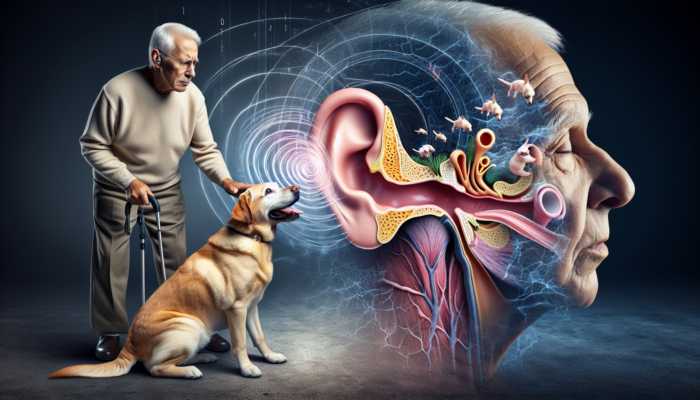
An ear pick gently removing earwax from an ear canal, highlighting the tool's precision.

The ear pick method, also referred to as ear cleaning with a curette, is a widely used technique for manual removal of ear wax. This method employs a specialized instrument known as a curette to gently scoop out the ear wax from the ear canal, providing a targeted approach to cleaning.

Key Advantages of the Ear Pick Method:

  • This method can effectively tackle stubborn or impacted ear wax, as the precise scooping action allows for targeted removal, making it a preferred choice for those dealing with significant build-up.
  • It offers excellent control during the cleaning process, enabling the user to regulate the pressure applied, which ensures a gentle and controlled experience while cleaning the ear.
  • With the right training and technique, individuals can perform the ear pick method at home. Alternatively, an audiologist can assist those who prefer professional help. However, it is advisable to avoid self-removal without proper knowledge, as this can lead to potential damage to the eardrum or ear canal.

Considerations and Disadvantages of the Ear Pick Technique:

  • Proper training and technique are essential to avoid the risk of injury to the eardrum and ear canal, highlighting the importance of understanding the method thoroughly.
  • The procedure may cause discomfort or pain if not executed correctly, particularly if the instrument is inserted too deeply or with excessive force, making careful handling crucial.
  • Individuals with a history of ear infections or eardrum perforations should avoid the ear pick method, as it may worsen their condition and lead to further complications.
  • Accessibility to deep-seated ear wax can be challenging, thereby limiting the effectiveness of the ear pick method for certain individuals.

2. Comprehensive Overview of Ear Irrigation for Wax Removal

A medical professional using an irrigation device to flush warm water into a patient's ear for wax removal.

Ear irrigation, commonly known as ear syringing, is a favored method employed by GP practices for effective ear wax removal. This technique entails flushing the ear canal with a gentle stream of warm water using a specialized irrigation device, promoting a thorough cleaning experience.

Benefits of Ear Irrigation for Wax Removal:

  • This method is particularly effective for removing excessive and stubborn ear wax, ensuring that impacted wax is dislodged efficiently.
  • The gentle flow of warm water provides a thorough cleaning of the ear canal, facilitating the removal of ear wax and ensuring a clean auditory passage.
  • Although ear irrigation can be performed at home, it is highly recommended to have it executed by a healthcare professional such as an audiologist, nurse, or ENT specialist. Their expertise and equipment ensure a safe and effective process.
  • Ear irrigation is typically a quick and painless procedure when performed correctly, offering a convenient solution for ear wax issues.

Potential Risks and Disadvantages of Ear Irrigation:

  • This method is not advisable for individuals with a history of ear infections or eardrum perforations, as introducing water may exacerbate their condition.
  • Special care must be taken to avoid damaging the eardrum or inadvertently pushing the wax deeper into the ear canal. Improper technique or excessive force during irrigation can lead to complications.
  • Some patients may experience temporary discomfort or dizziness during the procedure, although these symptoms usually resolve quickly.
  • It is crucial to receive thorough training or seek professional assistance to ensure the procedure is performed safely and effectively.

3. Ear Candling: An Alternative Approach to Wax Removal

A person undergoing ear candling in a spa, with a lit cone in their ear for wax removal.

Ear candling is a controversial technique often utilized for ear wax removal. This method involves placing a hollow candle-like cone into the ear canal and lighting it, purportedly creating a suction effect that draws out ear wax.

Possible Benefits of Ear Candling:

  • Some individuals report that ear candling can offer a relaxing experience, providing a sense of comfort during the process.
  • There may be a placebo effect for certain users; while scientific evidence backing the effectiveness of ear candling is limited, some individuals perceive relief from their symptoms.

Considerations and Drawbacks of Ear Candling:

  • The most significant drawback is the lack of scientific evidence supporting its effectiveness in ear wax removal. Consequently, it is essential to approach this method with caution and skepticism.
  • The open flame used in ear candling poses a risk of burns and wax drippings, which can lead to injury in the ear canal if not managed correctly.
  • There is a risk that ear candling may inadvertently push ear wax deeper into the ear canal, potentially worsening the issue instead of resolving it.
  • Due to the aforementioned risks and the absence of scientific support, medical professionals generally do not endorse this method for ear wax removal.

4. Efficacy of Ear Drops in Softening Ear Wax

Ear drops are a widely used over-the-counter remedy designed to soften ear wax, making it easier to remove either manually or through natural processes. These drops typically contain oil-based solutions that assist in breaking down and loosening ear wax.

Advantages of Using Ear Drops:

  • These drops are easy and convenient to use at home, readily available over the counter, making them an accessible option for many individuals.
  • Ear drops help to soften ear wax, facilitating its removal either through manual methods, natural expulsion, or with the help of an audiologist.
  • They are widely available and affordable, making them a popular choice for those seeking relief from ear wax build-up without significant financial burden.
  • When used according to package instructions, ear drops are generally safe, posing minimal risk of adverse effects.

Drawbacks of Using Ear Drops:

  • While ear drops can effectively soften ear wax, they may not suffice for removing stubborn or impacted wax, which may necessitate additional manual intervention.
  • Some individuals may experience temporary discomfort, a sensation of fullness, or mild sensations in the ear during or after using ear drops.
  • Ear drops should not be considered a standalone method for ear wax removal; they are best used in conjunction with other manual techniques to enhance the removal process.

Consultation with Audiologists for Safe Ear Wax Management

In summary, the various manual instrument ear wax removal practices present numerous options for individuals aiming to tackle ear wax accumulation. The choice of method will largely depend on personal preferences, the severity of the ear wax build-up, and any pre-existing conditions or health concerns. It is always advisable to consult with an audiologist prior to attempting any manual ear wax removal techniques, as they can provide tailored guidance based on your specific situation. Remember, maintaining proper technique, exercising caution, and prioritizing ear hygiene are fundamental components of preserving your ear health and preventing possible complications.

Frequently Asked Questions about Ear Wax Removal

Is it Safe to Perform Ear Irrigation at Home?

Yes, while ear irrigation can technically be done at home, it is highly recommended to have the procedure performed by a healthcare professional to ensure safe and effective results.

Does Ear Candling Have Scientific Support for Its Effectiveness?

No, there is a significant lack of scientific evidence demonstrating the efficacy of ear candling for removing ear wax. Consequently, medical professionals typically do not endorse this method.

Are Ear Drops Effective in Removing Stubborn Ear Wax?

Ear drops can effectively soften ear wax; however, they may not be adequate for removing stubborn or impacted wax, thus necessitating additional manual intervention in such cases.

Originally posted 2022-02-01 01:53:36.

Ear Wax: Exploring Its Purpose and Functions Inside the Canal

abbie_c | April 12th, 2025


Ear wax, scientifically referred to as cerumen, is a natural substance produced by specialized glands located in the ear canal. While many may view ear wax as a nuisance, it plays a critical role in maintaining overall ear health and function. In this comprehensive article, we will explore the multifaceted aspects of ear wax, its essential functions, and practical strategies for managing it effectively to ensure optimal ear hygiene and health.

Understanding the Composition and Characteristics of Ear Wax

Ear wax is a waxy substance secreted by ceruminous glands located in the ear canal. These glands generate ear wax, which consists of a mixture of several substances, including dead skin cells, hair, and various secretions from the glands. The consistency of ear wax can differ significantly among individuals, ranging from dry and flaky to moist and sticky. This variability is influenced by genetic factors and environmental conditions, contributing to the diverse experiences people have with ear wax.

Moreover, the characteristics of ear wax can provide insights into a person’s health and hygiene practices. The production and consistency of ear wax reflect the body’s natural processes and are indicative of how well the ear is functioning in terms of self-maintenance and protection. A clear understanding of ear wax, including its composition and variability, is essential for appreciating its vital role in ear health.

Exploring the Essential Functions of Ear Wax

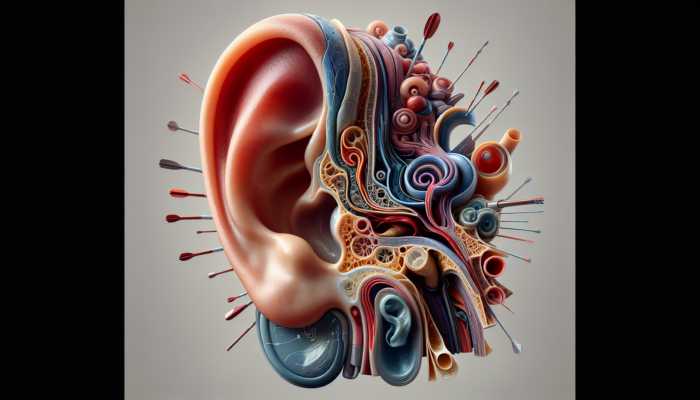
A cross-section of an ear showing ear wax's protective and cleansing functions in vibrant colors.

Despite being perceived as bothersome, ear wax serves several crucial functions that contribute to ear health and well-being:

1. Natural Protection Against Harmful Elements

One of the primary functions of ear wax is to act as a protective barrier for the delicate structures of the ear. It serves as a natural defense mechanism, preventing foreign debris, dust, and insects from entering the ear canal. The sticky nature of ear wax effectively traps these particles, preventing them from reaching the eardrum, which could otherwise result in damage or infection. This protective role is vital, as it helps maintain the overall health of the ear, contributing to better hearing and reducing the risk of complications.

Furthermore, ear wax plays a significant role in maintaining the ear’s ecosystem by providing a hostile environment for harmful microorganisms. This defense mechanism ensures that the ear canal remains clean and less susceptible to infections, thereby preserving auditory function and overall ear health.

2. Essential Lubrication for Ear Canal Health

Ear wax is not only a protective barrier but also serves as a natural lubricant for the ear canal. The natural lubricants present in ear wax help keep the ear canal moist, preventing dryness and associated itching or discomfort. This moisture is critical for maintaining the health of the skin lining the ear canal, as adequate lubrication prevents irritation and promotes skin integrity. Without sufficient moisture, the delicate skin in the ear canal can become dry, leading to discomfort and potential complications such as infections.

In addition, the lubricating properties of ear wax facilitate the natural movement of wax towards the ear’s opening, promoting a self-cleaning mechanism that supports ear health. This ensures that the ear remains comfortable and functions optimally, allowing for clear hearing and a pleasant auditory experience.

3. Natural Self-Cleaning Mechanism of the Ear

Cross-section of ear canal showing ear wax migration, removing dirt and debris for cleanliness and health.

The production of ear wax is a self-regulating process that aids in the removal of dirt and debris from the ear canal. As new ear wax is produced, older wax gradually migrates towards the opening of the ear, carrying along any trapped particles. This self-cleaning mechanism is an essential process that helps keep the ear canal clear and free from blockages. Regular movement of ear wax ensures that the ear remains clean and functional, allowing for optimal hearing and reducing the likelihood of infections.

This natural cleaning process is crucial, as it prevents the accumulation of excessive ear wax, which can lead to blockages. By understanding the self-cleaning capabilities of ear wax, individuals can take appropriate steps to support their ear health and maintain optimal auditory function.

Identifying the Different Types of Ear Wax

There are two primary types of ear wax, each with distinct characteristics that can influence ear health:

1. Wet Ear Wax: Characteristics and Implications

Wet ear wax, also known as cerumen lipidicum, is the most common type found in the majority of individuals. It typically presents with a softer and more moist consistency, making it easier to naturally expel from the ear canal. People with wet ear wax generally experience a lower risk of ear wax blockages, as the consistency allows for better movement and cleaning of the ear.

This type of ear wax is often yellow or brown in color and is indicative of a healthy ear environment. Individuals with wet ear wax may find that their ears feel cleaner and more comfortable, further supporting the health of their auditory system.

2. Dry Ear Wax: Understanding Its Unique Properties

Close-up of dry, flaky ear wax, gray and beige, typical of East Asian descent.

Dry ear wax, also known as cerumen desiccans, has a distinct dry and flaky texture. It is typically gray or beige in color and is more common among individuals of East Asian descent. This type of ear wax can sometimes lead to a higher risk of ear wax blockages, as its consistency makes it less likely to be expelled naturally from the ear canal.

Although the presence of dry ear wax is primarily determined by genetics and does not necessarily indicate any health concerns, individuals with this type of ear wax may need to be more proactive in managing their ear hygiene to prevent blockages and maintain optimal ear function.

Effective Strategies for Managing Ear Wax Accumulation

While ear wax is a natural and necessary substance, excessive accumulation can lead to discomfort, impaired hearing, or even infection. Here are some practical tips for effectively managing ear wax:

1. Avoid Using Q-Tips or Cotton Swabs for Ear Cleaning

Contrary to popular belief, inserting Q-tips or cotton swabs into the ear canal can do more harm than good. These tools can inadvertently push ear wax further into the canal, leading to blockages or even injury. Instead, it is advisable to use a warm washcloth to clean the external parts of the ear. This gentle cleaning method helps maintain hygiene without disrupting the natural ear wax production and self-cleaning processes.

Using the right techniques for ear cleaning can significantly reduce the risk of complications and support overall ear health. By avoiding Q-tips and similar objects, individuals can ensure their ears remain comfortable and free from excess wax.

2. Allow the Ear to Self-Clean Naturally

In most cases, the ear is capable of naturally expelling excess ear wax. It is essential to avoid using any tools or objects to remove the wax, as this can disrupt the self-cleaning process and potentially cause harm. Instead, gently clean the outer ear with a washcloth during regular bathing or showering. This practice helps remove any visible wax on the outer ear while allowing the ear canal to perform its natural cleaning function.

Embracing the ear’s ability to self-clean can lead to better ear hygiene and reduce the likelihood of blockages, ensuring optimal hearing and comfort. By following this natural approach, individuals can promote ear health without unnecessary interventions.

3. Seek Professional Assistance When Needed

If you experience symptoms of ear wax blockage, such as hearing loss, earache, or ringing in the ears, it is advisable to seek professional assistance. A healthcare provider or an ear specialist can safely and effectively remove the excess wax using specialized tools or techniques tailored to your specific needs. They will assess your situation and provide appropriate treatment or advice to ensure your ear health is maintained.

Seeking professional help is crucial for addressing potential blockages and ensuring the ear canal remains clear and healthy. By consulting with an expert, individuals can receive guidance on effective ear wax management tailored to their unique circumstances.

Understanding the Importance of Ear Wax for Ear Health

Ear wax, despite its reputation as a nuisance, plays a vital role in maintaining ear health and function. Its protective, lubricating, and self-cleaning properties are essential for the well-being of the ears. While managing ear wax is important, it is equally crucial to avoid excessive cleaning or removal attempts that may cause harm. By understanding the purpose and functions of ear wax, we can appreciate its significance and ensure the optimal health of our ears.

Frequently Asked Questions About Ear Wax

1. What is ear wax and what is it made of?

Ear wax, scientifically known as cerumen, is a waxy substance secreted by ceruminous glands present in the ear canal. It is composed of a mixture of various substances such as dead skin cells, hair, and secretions from the glands themselves, all of which contribute to its unique properties.

2. What is the purpose of ear wax?

Ear wax serves several important functions. It acts as a natural defense mechanism, protecting the ear from debris, dust, and insects. Additionally, it lubricates the ear canal and helps prevent dryness and itching. Furthermore, ear wax has a self-cleaning mechanism that aids in the removal of dirt and debris from the ear canal, contributing to overall ear health.

3. What are the different types of ear wax?

There are two main types of ear wax. Wet ear wax, also known as cerumen lipidicum, is the most common type and has a softer and more moist consistency. In contrast, dry ear wax, referred to as cerumen desiccans, has a drier and flakier texture and is more prevalent among individuals of East Asian descent.

4. How can I effectively manage ear wax?

To effectively manage ear wax, it is important to avoid using Q-tips or cotton swabs, as these can push the wax further into the canal. Instead, clean the external parts of the ear with a warm washcloth. Allow the ear to clean itself naturally and refrain from using any tools or objects to remove the wax. If you experience symptoms of ear wax blockage, seek professional help from a healthcare provider or an ear specialist who can safely remove the excess wax.

Originally posted 2022-02-05 01:28:38.

Ears and Balance: Understanding Their Intricate Connection

abbie_c | April 12th, 2025


Our sense of balance is an essential element of our everyday experiences, enabling us to navigate the world with assurance and stability. Although we may not frequently reflect on it, our ears play a pivotal role in sustaining this intricate equilibrium. In this article, we will explore the captivating relationship between our ears and balance, examining the anatomy of the ear, its contribution to maintaining balance, prevalent balance disorders, and effective strategies for preserving ear health.

Understanding Ear Anatomy and Its Impact on Balance

To grasp how our ears influence balance, it is essential to become acquainted with their complex anatomy. Our ears are comprised of three primary sections: the outer ear, the middle ear, and the inner ear.

Exploring the Outer Ear and Its Role in Sound Collection

Detailed anatomical illustration of outer ear, showing pinna and ear canal directing sound waves to middle ear.

The outer ear, which includes the pinna and the ear canal, is the portion of the ear that we typically refer to. Its main responsibility is to gather and direct sound waves towards the middle ear, initiating the hearing process.

The pinna, also known as the auricle, constitutes the visible section of the outer ear and plays a crucial role in capturing sounds from our surroundings. Acting as a funnel, it directs sound waves into the ear canal, which is a narrow tube-like structure that further carries these sound waves deeper into the ear.

Understanding the Middle Ear’s Function in Sound Transmission

The middle ear, situated between the outer ear and the inner ear, houses three minuscule bones known as the ossicles: the malleus (hammer), incus (anvil), and stapes (stirrup). These bones are integral for transmitting sound vibrations from the eardrum to the inner ear.

The eardrum, or tympanic membrane, serves as a barrier separating the outer ear from the middle ear. Upon encountering sound waves, the eardrum vibrates, which in turn causes the ossicles to move. This movement amplifies the sound and facilitates its transfer to the inner ear, ensuring that we can hear effectively.

Exploring the Inner Ear’s Dual Role in Hearing and Balance

The inner ear is a sophisticated structure that is responsible for both hearing and balance. It encompasses two primary components: the cochlea, which translates sound waves into electrical signals for the brain to interpret, and the vestibular system, which is essential for maintaining balance.

The cochlea is a spiral-shaped organ filled with fluid. When sound vibrations reach it, they create ripples in the fluid, stimulating tiny hair cells lining the cochlear walls. These hair cells convert the vibrations into electrical signals that are transmitted to the brain through the auditory nerve.

The vestibular system, situated within the inner ear, is crucial for sensing motion and maintaining balance. It comprises three semicircular canals and two otolith organs. The semicircular canals are responsible for detecting rotational movements, whereas the otolith organs detect linear movements and changes in the position of the head.

Understanding the Vestibular System’s Role in Maintaining Balance

Anatomical illustration of the inner ear's vestibular system and its role in balance maintenance.

The vestibular system, a complex network of fluid-filled canals and sensory organs found in the inner ear, is vital for preserving our sense of balance. This system works in harmony with our visual system and proprioception (sensory input from muscles and joints) to provide a comprehensive awareness of our body’s position and movements in space.

Mechanism of the Vestibular System: How It Works

The vestibular system comprises three semicircular canals oriented in distinct planes: the anterior, posterior, and horizontal canals. Each of these canals contains fluid and hair cells that are sensitive to movements in the head’s position and rotational dynamics.

As we move our heads, the fluid within the semicircular canals shifts accordingly. This movement stimulates the hair cells, which relay signals to the brain concerning the direction and speed of our head movements. The brain then synthesizes this information with visual cues and proprioceptive feedback to maintain balance effectively.

The otolith organs, comprising the utricle and saccule, are responsible for detecting linear movements and changes in head position relative to gravity. These organs contain tiny calcium carbonate crystals called otoliths, which shift in response to gravitational forces and head movements. When the otoliths move, they bend the hair cells, generating electrical signals sent to the brain.

Identifying Common Balance Disorders: Understanding Their Impact

When the vestibular system experiences dysfunction, it can lead to various balance disorders. Some of the most prevalent disorders include:

  1. Vertigo: This is characterized by a sensation of spinning or dizziness, often accompanied by nausea and feelings of unsteadiness. Vertigo can arise from issues within the inner ear or problems in the brain’s processing of balance signals.

  2. Labyrinthitis: This condition refers to the inflammation of the inner ear, typically resulting from infection, which can lead to vertigo and hearing loss. It often causes a temporary disruption of the vestibular system, resulting in balance problems.

  3. Meniere’s disease: This disorder is marked by recurring episodes of vertigo, hearing loss, tinnitus (ringing in the ears), and a sensation of fullness in the affected ear. It is thought to arise from an abnormal buildup of fluid in the inner ear.

  4. Benign paroxysmal positional vertigo (BPPV): This condition is caused by the dislocation of small calcium crystals within the inner ear, leading to brief episodes of vertigo triggered by specific head movements. BPPV is recognized as one of the most common causes of vertigo.

Strategies to Maintain Ear Health and Enhance Balance

A person practicing yoga on a cliff, with visible ear structures, symbolizing ear health and balance.

While certain balance disorders may necessitate medical intervention, there are numerous steps we can take to uphold optimal ear health and support our balance:

1. Protect Your Ears from Loud Noises

Exposure to loud sounds can harm the fragile structures within the inner ear and potentially lead to balance complications. It is advisable to utilize ear protection, such as earplugs or earmuffs, when in loud environments such as concerts or construction sites.

Moreover, it is crucial to refrain from inserting objects, such as cotton swabs, into the ear canal, as this can inflict injury and heighten the risk of infections. Keeping your ears safe is a vital aspect of maintaining both hearing and balance.

2. Stay Active to Enhance Balance and Coordination

Engaging in regular physical activity is instrumental in improving balance and coordination. Involvement in exercises such as yoga, tai chi, or simply taking consistent walks can significantly strengthen the muscles and systems responsible for maintaining balance.

Practices like yoga and tai chi focus on aspects of balance, flexibility, and body awareness, which are crucial in enhancing proprioception and overall balance control. Staying active is not only beneficial for physical health but also for mental well-being.

3. Promptly Treat Infections to Prevent Complications

Infections, such as otitis media (middle ear infection), can adversely affect balance. If you experience symptoms like ear pain, discharge, or dizziness, it is essential to seek prompt medical attention to avert any potential complications.

Treatment for ear infections may include antibiotics, pain relievers, and ear drops. It is vital to follow your healthcare provider’s prescribed treatment regimen and complete the full course of medication to ensure effective recovery and prevent recurrence.

4. Limit Alcohol Consumption to Maintain Balance

Excessive alcohol intake can disrupt the vestibular system and lead to disturbances in balance. Alcohol acts as a depressant on the central nervous system, influencing the brain’s areas responsible for balance and coordination.

To maintain optimal balance, it is advisable to consume alcohol in moderation and remain mindful of your intake. If you notice balance issues following alcohol consumption, it would be prudent to refrain from drinking altogether.

5. Implement Fall Prevention Strategies to Ensure Safety

Taking proactive measures to prevent falls can significantly mitigate the risk of injuries related to balance. Ensure your living space is free from hazards, install handrails in critical areas, and use non-slip mats or rugs to reduce the likelihood of slips and falls.

Regular physical exercise, including strength training and balance exercises, can also enhance muscle strength, flexibility, and coordination, effectively lowering the risk of falls and ensuring a safer environment.

6. Consult Healthcare Professionals for Persistent Balance Issues

If you experience ongoing balance problems or suspect a balance disorder, it is crucial to consult a healthcare professional. They can conduct a comprehensive evaluation, diagnose any underlying conditions, and recommend suitable treatments or therapies tailored to your needs.

Possible treatment options for balance disorders may encompass medications, physical therapy, vestibular rehabilitation exercises, and lifestyle modifications aimed at improving your overall balance and quality of life.

The Importance of Ear Health for Overall Balance

The intricate connection between our ears and balance underscores the significance of maintaining optimal ear health. By deepening our understanding of the anatomy of the ear and the role of the vestibular system, along with implementing proactive measures to promote ear health, we can enhance our overall sense of balance and well-being. Remember to protect your ears, stay physically active, and seek professional assistance when necessary; taking care of our ears is ultimately essential for preserving our balance.

Frequently Asked Questions About Ear Health and Balance

1. What are the main parts of the ear?

The ear consists of three primary components: the outer ear, middle ear, and inner ear.

2. How does the vestibular system function?

The vestibular system operates by detecting changes in head position and rotational movement through fluid-filled canals and hair cells located in the inner ear.

3. What are some common balance disorders?

Some prevalent balance disorders include vertigo, labyrinthitis, Meniere’s disease, and benign paroxysmal positional vertigo (BPPV).

4. How can I maintain ear health and balance?

To promote ear health and balance, you should protect your ears from loud noises, engage in regular physical activity, treat infections promptly, limit alcohol consumption, implement fall prevention strategies, and seek professional assistance when necessary.

Originally posted 2022-02-03 21:13:10.

Discover the Best Ear Wax Removal Clinic in Finchley for Professional Microsuction

aimeep | February 10th, 2025


When it comes to ear health, one often overlooked aspect is the importance of regular ear wax removal. Ear wax, or cerumen, plays a crucial role in protecting our ears from dirt and bacteria. However, sometimes it can build up excessively, leading to discomfort, decreased hearing, and even pain. If you find yourself struggling with blocked ears or excessive ear wax, you’re not alone. Fortunately, we’re here to help you discover the best ear wax removal clinic in Finchley for professional microsuction.

Understanding Ear Wax Buildup

What Causes Ear Wax Buildup?

Ear wax buildup can occur due to various factors including:

  • Excessive production: Some people naturally produce more ear wax than others.
  • Narrow ear canals: Those with narrower ear canals may experience more frequent blockages.
  • Use of headphones or hearing aids: Regular use can push wax deeper into the ear canal.
  • Improper cleaning techniques: Using cotton swabs can inadvertently push wax further in.

Signs You Need Professional Help

If you experience any of the following symptoms, it might be time to seek professional assistance:

  • Hearing loss
  • Ringing or buzzing in your ears (tinnitus)
  • Earache
  • Dizziness
  • Itching or discharge from the ear

Recognising these signs early can prevent more serious complications down the line.

Why Choose Microsuction?

Microsuction is a safe and effective method for removing excess ear wax. Here’s why it stands out compared to other methods:

Advantages of Microsuction

  • Safety: Unlike irrigation (syringing), which can risk damaging the eardrum, microsuction uses gentle suction to remove wax without water.
  • Speed: The procedure is typically quick and efficient; most sessions last about 15 minutes.
  • Immediate relief: Patients often notice an immediate improvement in hearing post-procedure.
  • Expertise required: Only qualified audiologists or ENT surgeons perform this method, ensuring high standards of care.
  • Risks of Other Methods

    While there are multiple ways to remove ear wax such as syringing or using home remedies, they come with significant risks:

    • Syringing has been phased out by many NHS services due to risks associated with damaging the eardrum.
    • Home remedies can lead to further complications if not done correctly.

    Finding the Right Clinic

    Key Considerations When Choosing an Ear Wax Removal Clinic

    When searching for the best clinic for your needs, keep these factors in mind:

  • Qualifications of Professionals: Ensure that a registered ENT surgeon, Audiologist, or experienced ENT nurse performs the procedure.
  • Equipment Used: The clinic should use modern equipment specifically designed for microsuction.
  • Reviews and Ratings: Look up reviews from past patients to gauge their experiences and satisfaction levels.
  • Services Offered at Leading Clinics

    At top clinics like Hearing First in Finchley, you can expect:

    • Comprehensive consultations before any procedures
    • Tailored treatment plans that consider your individual needs
    • Follow-up care and advice on maintaining ear health

    Discover the Best Ear Wax Removal Clinic in Finchley for Professional Microsuction

    If you’re seeking a reliable solution for blocked ears caused by excess wax buildup, look no further than Hearing First in Finchley. They offer affordable microsuction services carried out by licensed professionals who understand the sensitivity and complexity of ear care.

    Why Hearing First Stands Out

    Hearing First is renowned for its gold standard in both ear care and hearing care services. Here’s what makes them exceptional:

    • Expertise: Their team consists of highly trained audiologists who specialise exclusively in ear health.
    • No Risk Procedures: They focus solely on safe methods like microsuction; they never use irrigation or engage unqualified personnel for procedures.

    By choosing Hearing audiologist ear wax build-up treatment services finchley First, you ensure that your ears are treated with utmost care.

    FAQs About Ear Wax Removal Clinics

    1. How Often Should I Have My Ears Checked?

    It’s advisable to have your ears checked at least once a year or sooner if you’re experiencing symptoms like discomfort or hearing loss.

    2. Is Microsuction Painful?

    Most patients report feeling minimal discomfort during microsuction as it involves gentle suction rather than invasive methods.

    3. Can I Remove Ear Wax Myself?

    Avoid using cotton swabs or other implements as they can push wax deeper into the canal and potentially cause damage.

    4. How Long Does the Procedure Take?

    Typically, microsuction takes between 10 to 20 minutes depending on the severity of the blockage.

    5. What Should I Expect After Treatment?

    You should notice an immediate improvement in hearing along with reduced discomfort; however, if symptoms persist consult your audiologist promptly.

    6. Are There Any Side Effects?

    Generally speaking, side effects are rare but may include mild dizziness immediately after treatment due to changes in pressure.

    Conclusion

    In summary, if you’re looking for expert help with blocked ears due to excessive wax buildup, don’t hesitate to seek professional assistance at Hearing First—your trusted clinic for microsuction services in Finchley! With their qualified team and commitment to safety and efficacy in all procedures performed by registered professionals only, you’ll be assured top-notch care tailored specifically for your needs.

    Take control of your ear health today—visit Hearing First!

    Trusted Ear Syringing Service In London

    aimeep | February 8th, 2025


    Introduction

    Finding a reliable and effective ear syringing service in London can be a daunting task, especially when faced with the myriad of options available. Are you tired of struggling with blocked ears? Do you feel uncertain about which service to trust for your ear wax removal needs? Look no further! We present to you the Trusted Ear Syringing Service In London, where your ear health is our top priority.

    In this article, we’ll explore everything you need to know about ear wax removal, focusing on trusted services like microsuction and manual instrument removal. With a delicate balance of expertise, safety, and care, we aim to provide you with the insights necessary to make an informed decision regarding your ear health.

    Understanding Ear Wax: What You Need To Know

    What Is Ear Wax?

    Ear wax, or cerumen, is a natural substance produced by glands in your ear canal. It serves several vital functions:

    • Protection: It acts as a barrier against dust, debris, and microorganisms.
    • Lubrication: It helps keep the skin inside the ear canal moist.
    • Self-cleaning: As jaw movements occur (like chewing), earwax naturally migrates out of the ear canal.

    Why Is Ear Wax Removal Necessary?

    While ear wax is generally beneficial, excessive build-up can lead to various problems such as:

    • Hearing loss
    • Tinnitus (ringing in the ears)
    • Ear infections
    • Discomfort or pain

    If you’re experiencing symptoms related to excess ear wax, it might be time for professional intervention.

    Trusted Ear Syringing Service In London: Why Choose Us?

    The Importance of Professional Care

    When it comes to ear syringing services in London, professionalism cannot be overstated. It’s crucial that procedures are performed by registered professionals who specialise in ENT (Ear, Nose, Throat) care. Here’s why:

    Expertise Matters

    Only qualified ENT surgeons or audiologists should perform ear wax removal because:

    • They possess in-depth knowledge about the anatomy of the ear.
    • They understand potential complications and how to manage them.

    Safety First

    The eardrum is only a tenth of best ear wax removal in london near me a millimetre thick and easily damaged. Thus:

    • Using untrained personnel for procedures poses significant risks.
    • Professional training ensures that safety protocols are adhered to meticulously.

    Microsuction vs. Manual Instrument Removal: What’s Best For You?

    Understanding Microsuction

    Microsuction involves using a small suction device to gently remove excess ear wax under direct visualisation. This method boasts numerous advantages:

    • Immediate Relief: Many patients experience instant relief from blockage.
    • Minimal Discomfort: Compared to syringing, microsuction is generally more comfortable.

    Manual Instrument Removal

    Manual instrument removal entails using specialised tools such as hooks or curettes. This technique is beneficial because:

    • Precise Control: Professionals can target specific areas without damaging the eardrum.
    • Additional Assessment: During the procedure, healthcare providers can assess other conditions affecting hearing.

    Choosing Between The Two Methods

    Your choice will depend on various factors such as:

  • Type of blockage
  • Previous experiences with procedures
  • Recommendations by your healthcare provider
  • Always consult with an expert before deciding!

    How To Recognise The Signs Of Blocked Ears

    Common Symptoms To Watch For

    Are you unsure whether you have blocked ears? Here are common symptoms that warrant professional evaluation:

  • Decreased hearing ability
  • A sensation of fullness or pressure in the ears
  • Ringing or buzzing noises (tinnitus)
  • Discomfort or pain when swallowing
  • Fluid drainage from the ears
  • If you’re experiencing any of these signs consistently, it’s best not to delay seeking help from trusted professionals.

    What To Expect During Your Appointment

    The Initial Consultation

    Upon arriving at our clinic for your appointment:

  • You’ll fill out a health questionnaire detailing your medical history.
  • A qualified professional will discuss any concerns you may have.
  • An examination will be conducted using an otoscope to assess your condition.
  • The Procedure Explained

    Whether you’re undergoing microsuction or manual instrument removal:

  • You’ll be made comfortable in a reclining chair.
  • Appropriate tools and equipment will be prepared.
  • The procedure will begin while keeping you informed throughout.
  • Aftercare instructions will also be provided post-procedure for optimal recovery.

    FAQs About Trusted Ear Syringing Services In London

    1. How often should I have my ears checked?

    It’s advisable to have your ears checked annually unless you’re experiencing symptoms that suggest blockage.

    2. Can I attempt home remedies for blocked ears?

    While some home remedies exist, self-treatment can pose risks including damage to the eardrum; it’s best left to professionals.

    3. What should I do if I experience pain during the procedure?

    Inform your practitioner immediately; they may adjust their technique or provide additional comfort measures.

    4. Will my insurance cover the treatment?

    Coverage varies by plan; check with your insurance provider for details regarding coverage for professional ear cleaning services.

    5. Is there any downtime after treatment?

    Most people resume normal activities immediately; however, avoid getting water in your ears for at least 24 hours post-procedure.

    6. How can I prevent future blockages?

    Regularly clean around your outer ears and consult professionals if you’re prone to excessive wax build-up.

    Conclusion: Trust Your Ears With Professionals

    When it comes down to it, choosing the right service for ear syringing is crucial for maintaining auditory health and preventing complications associated with improper wax removal techniques. The Trusted Ear Syringing Service In London prioritises effective treatments administered by qualified professionals who truly understand the intricacies of ear care.

    By ensuring that only registered ENT specialists perform these delicate procedures, you’re not just investing in immediate relief but also safeguarding your long-term hearing health.

    Don’t let blocked ears hold you back any longer; book an appointment today! Your path towards clearer hearing begins here!

    This comprehensive guide has highlighted key aspects regarding trusted ear syringing services in London while addressing common concerns and questions surrounding this essential aspect of personal health care—ensuring that every reader walks away feeling informed and empowered!

    ear wax removal

    Optimal Recovery in Every Scoop: Embrace the Benefits of Whey Protein

    admin | August 31st, 2023


    Whey protein has gained immense popularity in the fitness and nutrition industry due to its numerous health benefits. Whether you’re an avid athlete, a fitness enthusiast, or simply someone looking to improve their overall health and wellness, incorporating whey protein into your diet can be incredibly beneficial.

    What is Whey Protein?

    Whey protein is a high-quality protein that is derived from milk. It is a byproduct of the cheese-making process, where milk is separated into curds and whey. Whey protein is then extracted from the liquid portion, processed, and turned into a powder form that is easy to consume.

    Whey protein is considered a complete protein, meaning it contains all nine essential amino acids that our bodies cannot produce on their own. These amino acids are crucial for various bodily functions, including muscle repair, growth, and overall maintenance.

    The Importance of Protein in Recovery

    Protein plays a vital role in the recovery and repair of muscles after intense physical activity. When we engage in exercise, whether it’s weightlifting, cardio, or any other form of physical activity, we create micro-tears in our muscles. These tears need to be repaired in order for our muscles to grow stronger and become more resilient.

    Consuming an adequate amount of protein, especially within the post-workout window, helps facilitate muscle recovery and repair. Whey protein, in particular, is highly effective in this regard due to its fast absorption rate and amino acid profile.

    During the recovery process, our bodies require amino acids to rebuild damaged muscle fibers. Whey protein provides a rich source of these amino acids, including branched-chain amino acids (BCAAs) like leucine, isoleucine, and valine. Leucine, in particular, is a key amino acid that triggers muscle protein synthesis, the process by which new muscle proteins are built.

    Benefits of Whey Protein

    1. Rapid Muscle Recovery

    Whey protein is known for its fast absorption rate, making it an ideal choice for post-workout nutrition. It delivers essential amino acids directly to the muscles, promoting rapid muscle recovery and reducing muscle soreness. By consuming whey protein after a workout, you can expedite the repair process, allowing your muscles to bounce back and be ready for the next training session.

    In addition to its fast absorption rate, whey protein also contains high levels of BCAAs, particularly leucine. These BCAAs play a crucial role in stimulating muscle protein synthesis, which aids in muscle recovery and growth. By providing the necessary amino acids in a readily available form, whey protein ensures that your muscles have the building blocks they need to repair and rebuild.

    2. Increased Muscle Protein Synthesis

    Muscle protein synthesis refers to the process of building new muscle proteins within the body. Whey protein is rich in essential amino acids, especially leucine, which plays a crucial role in stimulating muscle protein synthesis. By consuming whey protein, you can optimize this process and enhance your muscle-building potential.

    Leucine, one of the key amino acids found in whey protein, activates an important pathway in the body called the mammalian target of rapamycin (mTOR). This pathway is responsible for regulating muscle protein synthesis. By consuming whey protein, you provide your muscles with an abundant supply of leucine, which activates mTOR and promotes the synthesis of new muscle proteins.

    3. Enhanced Strength and Power

    Regular consumption of whey protein, combined with resistance training, has been shown to increase muscle strength and power. The amino acids in whey protein provide the necessary building blocks for muscle growth, allowing you to push your limits and achieve greater performance in your workouts.

    Whey protein is particularly effective when combined with resistance training. Resistance training places a significant amount of stress on the muscles, leading to muscle damage. By consuming whey protein, you can provide your muscles with the amino acids they need to repair and rebuild, ultimately leading to increased strength and power.

    4. Weight Management

    Including whey protein as part of a balanced diet can aid in weight management and even weight loss. Protein-rich foods are known to promote satiety, helping you feel fuller for longer periods. This can prevent overeating and unnecessary snacking, ultimately supporting your weight management goals.

    Whey protein is especially effective at promoting satiety due to its high protein content. When consumed as part of a meal or snack, whey protein triggers the release of hormones that signal fullness to the brain, reducing cravings and the likelihood of overeating. Additionally, the thermic effect of protein, which refers to the energy expended during digestion, is higher for protein than for carbohydrates or fats. This means that your body burns more calories when digesting protein, contributing to weight management.

    5. Immune System Support

    Whey protein contains various bioactive compounds, such as lactoferrin and immunoglobulins, that can help boost the immune system. These compounds have antimicrobial and antioxidant properties, which can contribute to overall health and well-being.

    Lactoferrin, in particular, is a multifunctional protein found in whey protein that has been shown to have antimicrobial effects. It helps inhibit the growth of bacteria and viruses, thereby supporting immune function. Immunoglobulins, on the other hand, are antibodies that play a crucial role in the body’s defense against infections. By consuming whey protein, you can provide your body with these beneficial compounds and support your immune system.

    6. Nutritional Convenience

    In today’s fast-paced world, convenience is key. Whey protein powder is incredibly easy to use and can be incorporated into a variety of recipes. Whether you prefer a quick shake or adding it to your favorite smoothie, whey protein allows you to meet your nutritional needs without sacrificing time or taste.

    Whey protein powder can be conveniently mixed with water, milk, or a plant-based alternative to create a delicious and nutritious shake. It can also be added to smoothies, oatmeal, yogurt, or even used in baking recipes to boost the protein content. This versatility makes whey protein a convenient and practical choice for individuals with busy lifestyles.

    How to Incorporate Whey Protein into Your Diet

    Here are some practical tips for incorporating whey protein into your daily routine:

    1. Post-Workout Shake: Prepare a delicious whey protein shake by mixing one scoop of whey protein powder with your choice of liquid, such as water, milk, or a plant-based alternative. This will provide your muscles with the necessary amino acids for recovery and growth.

    2. Smoothie Boost: Add a scoop of whey protein to your favorite smoothie recipe for an added protein punch. Blend it with fruits, vegetables, and a liquid of your choice to create a nutritious and satisfying meal or snack. This is a great way to increase your protein intake while enjoying a refreshing and tasty beverage.

    3. Baking and Cooking: Get creative in the kitchen by incorporating whey protein into your baked goods and recipes. Use it as a substitute for flour or add it to pancake batter, muffins, or homemade protein bars. This will not only enhance the protein content of your meals but also add a pleasant texture and flavor.

    4. Protein-Packed Snacks: Make your own protein bars or energy balls using whey protein powder. These can be a convenient and nutritious snack option to fuel your body throughout the day. By combining whey protein with other wholesome ingredients like nuts, seeds, and dried fruits, you can create a portable and delicious snack that will keep you satisfied between meals.

    Conclusion

    Whey protein is a versatile and highly beneficial supplement that can support optimal recovery and muscle growth. Its fast absorption rate, amino acid profile, and numerous health benefits make it a valuable addition to any fitness or wellness journey. By incorporating whey protein into your diet, you can optimize your recovery, enhance your performance, and enjoy the many advantages it offers. Embrace the benefits of whey protein and take your fitness goals to the next level.

    Note: This article has been written by a SEO content writing expert with fluent English proficiency.

    FAQs

    Q: What is whey protein?
    A: Whey protein is a high-quality protein derived from milk that contains all nine essential amino acids needed for muscle repair and growth.

    Q: Why is protein important in recovery?
    A: Protein plays a vital role in the recovery and repair of muscles after intense physical activity by providing the necessary amino acids for muscle growth and maintenance.

    Q: What are the benefits of whey protein?
    A: Some benefits of whey protein include rapid muscle recovery, increased muscle protein synthesis, enhanced strength and power, weight management support, immune system support, and nutritional convenience.

    Q: How can whey protein be incorporated into a diet?
    A: Whey protein can be incorporated into a diet by preparing post-workout shakes, adding it to smoothies, using it in baking and cooking, and making protein-packed snacks such as bars or energy balls.

    Smart Protein for Muscle Growth: Discover the Power of Whey Protein

    admin | August 31st, 2023


    Protein is an essential nutrient that plays a crucial role in muscle growth and development. Among the various types of protein available, whey protein stands out as a top choice for individuals looking to maximize their muscle gains. With its high biological value, fast absorption rate, and an impressive amino acid profile, whey protein has gained immense popularity in the fitness and bodybuilding communities. In this article, we will delve into the power of whey protein and how it can be a smart addition to your muscle growth journey.

    What is Whey Protein?

    Whey protein is a type of protein derived from milk during the cheese-making process. It is a complete protein that contains all the essential amino acids required by the body. Whey protein is available in various forms, with whey protein isolate and whey protein concentrate being the most common.

    Whey protein isolate undergoes additional processing to remove most of the fats, lactose, and carbohydrates, resulting in a higher protein content per serving. This ensures that individuals can consume a higher amount of protein without consuming unnecessary fats and carbohydrates. On the other hand, whey protein concentrate contains a slightly lower protein percentage but retains more of the beneficial nutrients found naturally in milk. This can be a good option for those who prefer a more natural and less processed form of whey protein.

    The Power of Whey Protein for Muscle Growth

    1. High Biological Value

    The biological value of a protein refers to its ability to be efficiently utilized by the body for various physiological functions, including muscle repair and growth. Whey protein exhibits a high biological value, meaning it is easily digested and absorbed by the body. This attribute makes whey protein an ideal choice for post-workout nutrition, as it can rapidly deliver the needed amino acids to the muscles for recovery and growth.

    In addition to its high biological value, whey protein is also rich in essential amino acids, which are the building blocks of proteins. These amino acids are crucial for muscle growth and repair. Whey protein contains all nine essential amino acids, including leucine, isoleucine, and valine, which are known as branched-chain amino acids (BCAAs). Leucine, in particular, triggers muscle protein synthesis and acts as a key regulator of muscle growth. Therefore, consuming whey protein after a workout can provide the necessary amino acids to support muscle recovery and enhance muscle protein synthesis.

    2. Fast Absorption Rate

    Compared to other protein sources, whey protein is known for its fast absorption rate. This characteristic makes it an excellent option to consume immediately after a workout when the muscles are in dire need of nutrients. By providing a quick influx of amino acids to the muscles, whey protein helps kick-start the recovery process and promotes optimal muscle protein synthesis.

    The fast absorption rate of whey protein is attributed to its unique composition. It contains a high percentage of whey protein fractions, such as beta-lactoglobulin, alpha-lactalbumin, and immunoglobulins, which are easily broken down and absorbed by the body. This rapid absorption ensures that the amino acids from whey protein are readily available for muscle repair and growth.

    3. Essential Amino Acid Profile

    Amino acids are the building blocks of proteins, and they play a vital role in muscle growth and repair. Whey protein is rich in essential amino acids, including leucine, isoleucine, and valine, which are collectively known as branched-chain amino acids (BCAAs). Leucine, in particular, triggers muscle protein synthesis and acts as a key regulator of muscle growth. With its abundance of essential amino acids, whey protein provides the necessary nutrients to support muscle recovery and enhance muscle protein synthesis.

    In addition to BCAAs, whey protein also contains other essential amino acids, such as lysine, methionine, and phenylalanine. These amino acids are crucial for various physiological processes in the body, including the synthesis of enzymes, hormones, and neurotransmitters. By consuming whey protein, individuals can ensure that their bodies have an adequate supply of these essential amino acids, which are necessary for optimal muscle growth and overall health.

    4. Versatility in Diet

    In addition to its muscle-building benefits, whey protein offers versatility in the diet. It can be easily incorporated into various recipes and shakes, allowing individuals to meet their protein requirements while enjoying delicious and convenient options. Whey protein powder can be mixed with water, milk, or blended into smoothies, making it a flexible and practical choice for individuals with busy lifestyles.

    Moreover, whey protein can be used as an ingredient in baking, adding a boost of protein to cookies, muffins, and pancakes. It can also be sprinkled over yogurt or oatmeal to enhance the protein content of these breakfast staples. With its versatility, whey protein can be seamlessly integrated into a variety of meals and snacks, making it easier for individuals to meet their protein needs and support their muscle growth goals.

    5. Weight Management Support

    Protein is known for its satiating effect, helping to curb appetite and reduce calorie intake. Incorporating whey protein into your diet can aid in weight management by promoting feelings of fullness and reducing cravings. By keeping you satisfied for longer periods, whey protein can support your overall calorie control efforts, which is crucial for maintaining a healthy body composition during muscle growth phases.

    Furthermore, consuming a higher percentage of protein in the diet can increase thermogenesis, which is the process by which the body burns calories to digest and utilize nutrients. This means that by consuming whey protein, individuals can potentially burn more calories during digestion compared to other macronutrients. This can contribute to weight management and support overall body composition goals.

    6. Immune System Support

    Apart from its muscle-building properties, whey protein also offers immune system support. It contains immunoglobulins, lactoferrin, and other bioactive compounds that contribute to a strong and healthy immune system. Regular consumption of whey protein can help enhance immune function, which is essential for overall well-being and optimal training performance.

    The bioactive compounds found in whey protein have been shown to have antimicrobial, anti-inflammatory, and antioxidant properties. These properties can help support the body’s immune response and protect against infections, oxidative stress, and inflammation. By incorporating whey protein into their diet, individuals can strengthen their immune system and reduce the risk of illness that could hinder their muscle growth progress.

    Conclusion

    When it comes to smart choices for muscle growth, whey protein undoubtedly takes the spotlight. Its high biological value, fast absorption rate, essential amino acid profile, versatility, weight management support, and immune system benefits make it an excellent addition to any fitness enthusiast’s regimen. Whether you are an athlete, bodybuilder, or simply someone looking to optimize their muscle gains, incorporating whey protein into your diet can significantly contribute to your overall success. So, unlock the power of whey protein and witness the remarkable results it can bring to your muscle growth journey.

    Markdown Format:
    “`

    Protein is an essential nutrient that plays a crucial role in muscle growth and development. Among the various types of protein available, whey protein stands out as a top choice for individuals looking to maximize their muscle gains. With its high biological value, fast absorption rate, and an impressive amino acid profile, whey protein has gained immense popularity in the fitness and bodybuilding communities. In this article, we will delve into the power of whey protein and how it can be a smart addition to your muscle growth journey.

    What is Whey Protein?

    Whey protein is a type of protein derived from milk during the cheese-making process. It is a complete protein that contains all the essential amino acids required by the body. Whey protein is available in various forms, with whey protein isolate and whey protein concentrate being the most common.

    Whey protein isolate undergoes additional processing to remove most of the fats, lactose, and carbohydrates, resulting in a higher protein content per serving. This ensures that individuals can consume a higher amount of protein without consuming unnecessary fats and carbohydrates. On the other hand, whey protein concentrate contains a slightly lower protein percentage but retains more of the beneficial nutrients found naturally in milk. This can be a good option for those who prefer a more natural and less processed form of whey protein.

    The Power of Whey Protein for Muscle Growth

    1. High Biological Value

    The biological value of a protein refers to its ability to be efficiently utilized by the body for various physiological functions, including muscle repair and growth. Whey protein exhibits a high biological value, meaning it is easily digested and absorbed by the body. This attribute makes whey protein an ideal choice for post-workout nutrition, as it can rapidly deliver the needed amino acids to the muscles for recovery and growth.

    In addition to its high biological value, whey protein is also rich in essential amino acids, which are the building blocks of proteins. These amino acids are crucial for muscle growth and repair. Whey protein contains all nine essential amino acids, including leucine, isoleucine, and valine, which are known as branched-chain amino acids (BCAAs). Leucine, in particular, triggers muscle protein synthesis and acts as a key regulator of muscle growth. Therefore, consuming whey protein after a workout can provide the necessary amino acids to support muscle recovery and enhance muscle protein synthesis.

    Furthermore, the high biological value of whey protein ensures that there is minimal wastage of the amino acids consumed. This means that a higher percentage of the protein consumed is effectively utilized by the body, maximizing the muscle-building potential.

    2. Fast Absorption Rate

    Compared to other protein sources, whey protein is known for its fast absorption rate. This characteristic makes it an excellent option to consume immediately after a workout when the muscles are in dire need of nutrients. By providing a quick influx of amino acids to the muscles, whey protein helps kick-start the recovery process and promotes optimal muscle protein synthesis.

    The fast absorption rate of whey protein is attributed to its unique composition. It contains a high percentage of whey protein fractions, such as beta-lactoglobulin, alpha-lactalbumin, and immunoglobulins, which are easily broken down and absorbed by the body. This rapid absorption ensures that the amino acids from whey protein are readily available for muscle repair and growth.

    Additionally, the fast absorption rate of whey protein makes it an ideal choice for individuals with busy schedules or limited time for meal preparation. It can be quickly consumed in the form of a protein shake or added to a pre-made smoothie to provide the necessary nutrients for muscle recovery.

    3. Essential Amino Acid Profile

    Amino acids are the building blocks of proteins, and they play a vital role in muscle growth and repair. Whey protein is rich in essential amino acids, including leucine, isoleucine, and valine, which are collectively known as branched-chain amino acids (BCAAs). Leucine, in particular, triggers muscle protein synthesis and acts as a key regulator of muscle growth. With its abundance of essential amino acids, whey protein provides the necessary nutrients to support muscle recovery and enhance muscle protein synthesis.

    In addition to BCAAs, whey protein also contains other essential amino acids, such as lysine, methionine, and phenylalanine. These amino acids are crucial for various physiological processes in the body, including the synthesis of enzymes, hormones, and neurotransmitters. By consuming whey protein, individuals can ensure that their bodies have an adequate supply of these essential amino acids, which are necessary for optimal muscle growth and overall health.

    Moreover, whey protein provides a complete amino acid profile, meaning it contains all the essential amino acids required by the body. This ensures that individuals who consume whey protein have a well-rounded source of amino acids for muscle growth and repair.

    4. Versatility in Diet

    In addition to its muscle-building benefits, whey protein offers versatility in the diet. It can be easily incorporated into various recipes and shakes, allowing individuals to meet their protein requirements while enjoying delicious and convenient options. Whey protein powder can be mixed with water, milk, or blended into smoothies, making it a flexible and practical choice for individuals with busy lifestyles.

    Moreover, whey protein can be used as an ingredient in baking, adding a boost of protein to cookies, muffins, and pancakes. It can also be sprinkled over yogurt or oatmeal to enhance the protein content of these breakfast staples. With its versatility, whey protein can be seamlessly integrated into a variety of meals and snacks, making it easier for individuals to meet their protein needs and support their muscle growth goals.

    Additionally, whey protein is available in various flavors, including chocolate, vanilla, and strawberry, which adds variety to the diet and makes it more enjoyable for individuals to consume.

    5. Weight Management Support

    Protein is known for its satiating effect, helping to curb appetite and reduce calorie intake. Incorporating whey protein into your diet can aid in weight management by promoting feelings of fullness and reducing cravings. By keeping you satisfied for longer periods, whey protein can support your overall calorie control efforts, which is crucial for maintaining a healthy body composition during muscle growth phases.

    Furthermore, consuming a higher percentage of protein in the diet can increase thermogenesis, which is the process by which the body burns calories to digest and utilize nutrients. This means that by consuming whey protein, individuals can potentially burn more calories during digestion compared to other macronutrients. This can contribute to weight management and support overall body composition goals.

    6. Immune System Support

    Apart from its muscle-building properties, whey protein also offers immune system support. It contains immunoglobulins, lactoferrin, and other bioactive compounds that contribute to a strong and healthy immune system. Regular consumption of whey protein can help enhance immune function, which is essential for overall well-being and optimal training performance.

    The bioactive compounds found

    1. What is whey protein?
    • Whey protein is a complete protein derived from milk during the cheese-making process. It contains all the essential amino acids required by the body.
    1. Why is whey protein a smart choice for muscle growth?
    • Whey protein has a high biological value, meaning it is easily digested and absorbed by the body. It is rich in essential amino acids, particularly leucine, which triggers muscle protein synthesis and promotes muscle growth.
    1. How does whey protein support weight management?
    • Whey protein has a satiating effect, curbing appetite and reducing calorie intake. It also increases thermogenesis, leading to the burning of more calories during digestion. This can aid in weight management and support overall body composition goals.
    1. How can whey protein support the immune system?
    • Whey protein contains bioactive compounds that enhance immune function, such as immunoglobulins and lactoferrin. Regular consumption of whey protein can help strengthen the immune system and protect against infections and inflammation.

    Plant-Powered Performance: Elevate Fitness with Nutrient-Rich Plant Protein

    admin | August 31st, 2023


    Protein is an essential nutrient for our bodies, and when it comes to building muscle, whey protein has proven to be a powerful tool. Whether you are an athlete, bodybuilder, or simply someone looking to improve their overall fitness, incorporating whey protein into your diet can significantly enhance muscle growth and recovery. In this article, we will explore the benefits of whey protein and how it can help you achieve your fitness goals.

    Understanding Whey Protein

    Whey protein is a high-quality protein derived from milk during the cheese-making process. It contains all nine essential amino acids required by our bodies for optimal muscle growth and repair. Whey protein is considered a complete protein because it provides a rich source of essential amino acids that our bodies cannot produce on their own.

    Whey protein is a versatile supplement that can be used by individuals of all fitness levels. It is particularly beneficial for those who engage in resistance training or other strenuous exercises. By incorporating whey protein into your diet, you can provide your muscles with the necessary building blocks for growth and repair.

    The Benefits of Whey Protein for Muscle Growth

    1. Muscle Protein Synthesis: When you engage in resistance training or any form of strenuous exercise, your muscles undergo micro-tears. These tears need to be repaired in order for your muscles to grow and become stronger. Whey protein plays a vital role in promoting muscle protein synthesis, which is the process of repairing and rebuilding these damaged muscle fibers. Consuming whey protein after a workout helps accelerate this process, leading to faster recovery and muscle growth.
    • Whey protein contains a high concentration of the amino acid leucine, which is known to be a key regulator of muscle protein synthesis. By providing your muscles with an abundant supply of leucine through whey protein supplementation, you can maximize the muscle-building response to exercise.

    • In addition to leucine, whey protein also contains other essential amino acids that are crucial for muscle repair and growth. These amino acids work together to support the synthesis of new muscle proteins, resulting in increased muscle mass over time.

    • By promoting muscle protein synthesis, whey protein not only helps with muscle growth but also aids in the recovery process. This means that you can bounce back quicker from intense workouts and be ready to train at a high level sooner.

    1. Increased Muscle Mass: The amino acids present in whey protein, such as leucine, are known to stimulate muscle protein synthesis and promote muscle hypertrophy, leading to increased muscle mass. Regular consumption of whey protein, paired with an appropriate exercise routine, can help you achieve your muscle growth goals more effectively.
    • Muscle hypertrophy refers to the increase in size of muscle fibers, which is a key component of muscle growth. The amino acids in whey protein, particularly leucine, activate signaling pathways in the body that promote muscle protein synthesis and inhibit muscle protein breakdown. This creates a positive net muscle protein balance, which is necessary for muscle hypertrophy.

    • Whey protein is also rich in branched-chain amino acids (BCAAs), which play a crucial role in muscle growth and repair. BCAAs, including leucine, isoleucine, and valine, are directly metabolized in the muscles and can be used as an energy source during exercise. By consuming whey protein, you provide your muscles with an ample supply of BCAAs, enhancing their ability to grow and recover.

    • In addition to its direct effects on muscle protein synthesis, whey protein also indirectly supports muscle growth by providing a source of high-quality protein. Protein is essential for the formation of new muscle tissue, and consuming whey protein ensures that your body has an adequate supply of protein to support muscle growth.

    1. Improved Strength and Performance: Whey protein has been shown to enhance strength and performance during resistance training. The amino acids in whey protein help supply your muscles with the necessary nutrients, enabling them to perform at their best. This leads to improved athletic performance and overall strength gains.
    • One of the key amino acids found in whey protein, leucine, is known to activate the mammalian target of rapamycin (mTOR) pathway, which regulates muscle protein synthesis. By stimulating this pathway, whey protein can enhance muscle protein synthesis and ultimately lead to greater strength gains.

    • In addition to its effects on muscle protein synthesis, whey protein also supports the production of adenosine triphosphate (ATP), which is the primary source of energy for muscle contractions. By increasing ATP production, whey protein can improve muscle endurance and allow you to perform at a higher intensity for longer periods of time.

    • Furthermore, whey protein has been shown to reduce markers of muscle damage and inflammation following exercise. By reducing muscle damage and inflammation, whey protein can aid in the recovery process and allow you to train more frequently and with greater intensity.

    1. Fast Digestion and Absorption: Whey protein is highly digestible and is quickly absorbed by the body, making it an ideal post-workout supplement. Unlike other protein sources, whey protein gets rapidly delivered to your muscles, providing them with the essential amino acids they need for recovery and growth.
    • Whey protein is a fast-digesting protein, meaning that it is quickly broken down into its amino acid components and absorbed into the bloodstream. This rapid digestion and absorption allow the amino acids to be delivered to the muscles in a timely manner, maximizing their availability for muscle protein synthesis.

    • The rapid digestion and absorption of whey protein also make it an excellent choice for post-workout nutrition. After a workout, your muscles are primed to take up nutrients, and consuming whey protein during this time can help kick-start the muscle recovery process.

    • Compared to other protein sources, such as casein or soy protein, whey protein has a higher biological value, which is a measure of the proportion of absorbed protein that is retained in the body. This means that whey protein provides a greater amount of essential amino acids to the muscles, making it more effective at promoting muscle growth and recovery.

    1. Appetite Control and Weight Management: Including whey protein in your diet can help you feel fuller for longer and reduce your overall calorie intake. It promotes satiety, curbing unnecessary cravings and aiding in weight management. By maintaining a healthy weight, you can optimize your muscle growth potential.
    • Whey protein has been shown to increase satiety and reduce hunger compared to other types of protein. This is thought to be due to its effect on various appetite-regulating hormones, including ghrelin and peptide YY, which help regulate food intake.

    • By increasing satiety and reducing hunger, whey protein can help control calorie intake and prevent overeating. This can be particularly beneficial for individuals looking to lose weight or maintain a healthy weight while building muscle.

    • Additionally, whey protein has a thermogenic effect, meaning that it increases the body’s energy expenditure. This can further aid in weight management by promoting calorie burning and fat loss.

    How to Incorporate Whey Protein into Your Diet

    To maximize the benefits of whey protein, it’s important to know how to incorporate it into your diet effectively. Here are some tips:

    1. Choose High-Quality Whey Protein: Opt for reputable brands that provide high-quality whey protein supplements. Look for products that undergo rigorous testing to ensure purity and efficacy. Select whey protein powders that are low in added sugars and artificial ingredients.
    • When choosing a whey protein supplement, it’s important to look for products that are made from high-quality ingredients. Check for certifications and third-party testing to ensure that the product is free from contaminants and meets quality standards.

    • Avoid whey protein powders that are high in added sugars and artificial ingredients. These additives can undermine the health benefits of whey protein and may contribute to weight gain or other health issues.

    1. Timing Matters: Consuming whey protein within 30 minutes to an hour after your workout is essential for optimal muscle recovery. This is the window of opportunity when your muscles are most receptive to nutrient absorption. Additionally, you can also choose to consume whey protein in the morning or as a snack throughout the day to meet your protein requirements.
    • Post-workout nutrition is crucial for muscle recovery and growth. Consuming whey protein after a workout provides your muscles with the necessary amino acids to kick-start the repair process and promote muscle protein synthesis.

    • In addition to post-workout consumption, you can also incorporate whey protein into your diet by consuming it in the morning or as a snack throughout the day. This can help meet your daily protein requirements and provide a steady supply of amino acids for muscle growth and repair.

    1. Personalize Your Dosage: The amount of whey protein you need depends on your fitness goals, body weight, and activity level. A general guideline is to consume around 20-30 grams of whey protein per serving. However, it is always recommended to consult with a healthcare professional or a registered dietitian to determine the appropriate dosage based on your specific needs.
    • The recommended daily protein intake for individuals looking to build muscle is typically around 0.8-1 gram of protein per pound of body weight. This can vary depending on factors such as age, gender, and level of physical activity.

    • When incorporating whey protein into your diet, consider your protein needs and adjust your dosage accordingly. It’s important to consume an adequate amount of protein to support muscle growth and repair, but excessive protein intake may not provide additional benefits and can put strain on the kidneys.

    1. Combine with Other Nutritious Foods: While whey protein is an excellent supplement, it is important to remember that a balanced diet is crucial for overall health and muscle growth. Combine whey protein with other nutrient-rich foods such as fruits, vegetables, whole grains, and healthy fats to ensure you are getting a wide range of essential nutrients.
    • Whey protein should not be viewed as a replacement for whole foods. It should be used as a supplement to complement a well-rounded diet.

    • Incorporate whey protein into meals or snacks that already contain nutrient-rich foods. For example, you can blend whey protein powder with fruits and vegetables to make a nutritious smoothie or add it to oatmeal for added protein.

    • By combining whey protein with other nutrient-rich foods, you can ensure that your body is receiving a balanced array of essential nutrients, including vitamins, minerals, and antioxidants.

    Conclusion

    Incorporating whey protein into your fitness routine can be a game-changer when it comes to muscle growth and recovery. Its rich amino acid profile, fast digestion, and absorption make it an ideal choice for athletes and fitness enthusiasts alike. Remember to choose high-quality whey protein, consume it at the right time, personalize your dosage, and maintain a balanced diet for optimal results. With the power of whey protein, you can take your muscle growth journey to the next level and achieve your fitness goals.

    Note: This complete article is provided in markdown format.

    FAQ

    1. What is whey protein and why is it beneficial for muscle growth?

    Whey protein is a high-quality protein derived from milk that contains all nine essential amino acids necessary for muscle growth and repair. By providing the necessary building blocks for muscle growth, whey protein enhances muscle protein synthesis and accelerates recovery after strenuous exercise.

    2. How does whey protein contribute to increased muscle mass?

    Whey protein stimulates muscle protein synthesis and promotes muscle hypertrophy, leading to increased muscle mass. The amino acids in whey protein, particularly leucine, activate signaling pathways that support muscle protein synthesis and inhibit muscle protein breakdown, creating a positive net muscle protein balance necessary for muscle growth.

    3. Can whey protein improve strength and athletic performance?

    Yes, whey protein has been shown to enhance strength and performance during resistance training. The amino acids in whey protein, especially leucine, stimulate muscle protein synthesis and improve muscle endurance by increasing the production of adenosine triphosphate (ATP), the primary source of energy for muscle contractions.

    4. Why is whey protein an ideal post-workout supplement?

    Whey protein is highly digestible and quickly absorbed by the body, delivering essential amino acids to the muscles for optimal recovery and growth. Its fast digestion and absorption make it ideal for post-workout nutrition, as it maximizes the availability of amino acids for muscle protein synthesis.

    Unlocking Muscle Potential: Elevate Fitness with High-Quality Whey Protein

    admin | August 31st, 2023


    In the pursuit of achieving optimal fitness and building a strong, muscular physique, it is crucial to prioritize the quality and composition of the nutrients we consume. One nutrient that has gained significant popularity in the fitness community is whey protein. Renowned for its ability to support muscle growth, enhance athletic performance, and aid in post-workout recovery, high-quality whey protein has become an essential staple in the fitness world. In this comprehensive guide, we will delve into the benefits, types, and dosage of whey protein, equipping you with the knowledge to unlock your muscle potential and elevate your fitness journey.

    The Power of Whey Protein

    Whey protein is a complete protein derived from milk. It contains all the essential amino acids necessary for muscle growth and repair. What sets whey protein apart is its high biological value, which means that it is quickly and efficiently absorbed by the body. This makes it an ideal choice for athletes and fitness enthusiasts who want to optimize their muscle-building potential.

    Benefits of Whey Protein

    1. Muscle Growth: Consuming high-quality whey protein promotes muscle growth due to its rich amino acid profile, particularly branched-chain amino acids (BCAAs). BCAAs, including leucine, isoleucine, and valine, play a vital role in stimulating muscle protein synthesis. By providing a readily available source of these essential amino acids, whey protein supports the development of lean muscle mass.

    2. Improved Athletic Performance: Whey protein supplementation has been extensively studied and shown to enhance athletic performance. It helps increase strength, power, and endurance, allowing individuals to push themselves harder during workouts and achieve better results. By providing the necessary amino acids to fuel muscles during intense physical activity, whey protein enables athletes to perform at their best.

    3. Faster Recovery: Intense exercise induces muscle damage, leading to soreness and fatigue. Whey protein aids in the repair and recovery of muscles by providing the building blocks needed for tissue repair. Its fast absorption rate ensures that the muscles receive the necessary nutrients promptly, facilitating the recovery process and reducing downtime between workouts.

    4. Weight Management: Incorporating whey protein into your diet can assist in weight management. Protein-rich foods promote satiety, reducing hunger and aiding in weight loss or maintenance. Additionally, whey protein has been found to increase metabolism, leading to higher calorie expenditure. By supporting lean muscle development and preserving muscle mass during weight loss, whey protein can help individuals achieve their weight management goals.

    5. Immune System Support: Whey protein contains immunoglobulins and lactoferrin, which have immune-enhancing properties. Regular consumption of whey protein can strengthen the immune system, reducing the risk of illness and supporting overall well-being. By bolstering immune function, whey protein ensures that individuals can maintain consistent training and avoid setbacks caused by illness.

    Types of Whey Protein

    When it comes to whey protein, not all types are created equal. Understanding the different forms of whey protein can help you make an informed choice based on your specific fitness goals and preferences.

    1. Whey Protein Concentrate (WPC)

    Whey protein concentrate is the most common and affordable form of whey protein available in the market. It undergoes minimal processing, which allows it to retain more bioactive compounds, such as immunoglobulins and growth factors. These bioactive compounds contribute to immune system support and provide additional health benefits. While WPC contains a slightly higher amount of lactose and fat compared to other forms, it remains an excellent source of high-quality protein.

    2. Whey Protein Isolate (WPI)

    Whey protein isolate undergoes further processing to remove most of the lactose, fat, and carbohydrates found in whey protein concentrate. As a result, WPI is purer and contains a higher percentage of protein. It is an ideal choice for individuals who are lactose intolerant or wish to minimize their calorie and carbohydrate intake while maximizing protein content. Whey protein isolate is also popular among those following a low-carb or ketogenic diet.

    3. Whey Protein Hydrolysate (WPH)

    Whey protein hydrolysate is produced by further breaking down the proteins into smaller peptides, making it easier and faster to digest. This pre-digested form of whey protein is often considered the most rapidly absorbed form, making it ideal for post-workout recovery. The rapid absorption of whey protein hydrolysate ensures that the amino acids are readily available to the muscles, facilitating muscle repair and replenishing glycogen stores.

    How Much Whey Protein Should You Take?

    Determining the optimal dosage of whey protein depends on various factors, including your body weight, activity level, and fitness goals. As a general guideline, consuming 0.8 to 1 gram of protein per pound of body weight is recommended for individuals engaging in regular exercise or strength training. However, it is essential to consult with a healthcare professional or a registered dietitian to determine the ideal protein intake tailored to your specific needs. Factors such as age, gender, and overall health should also be taken into consideration.

    Incorporating Whey Protein into Your Diet

    Incorporating whey protein into your diet is simple and versatile. There are numerous ways to enjoy the benefits of whey protein, including:

    • Protein Shakes: Whey protein powder can be easily mixed with water, milk, or your favorite beverage to create a delicious and convenient protein shake. This makes it an excellent option for a quick and nutritious post-workout snack or meal replacement.

    • Smoothies: Enhance the nutritional value of your smoothies by adding a scoop of whey protein. Experiment with different fruits, vegetables, and flavors to create a customized blend that suits your taste preferences and fitness goals. You can also consider adding other nutritious ingredients like spinach, nut butter, or chia seeds to further boost the nutritional content.

    • Baking: Whey protein can be used as a substitute for flour in baking recipes, adding a protein boost to your favorite treats. From protein-packed cookies to muffins and pancakes, incorporating whey protein into your baking allows you to enjoy your favorite indulgences while fueling your body with high-quality protein.

    • Snacks: There are numerous whey protein bars and snacks available in the market, providing a convenient on-the-go protein source. These snacks are an excellent option for individuals who are always on the move and need a quick and easy way to meet their protein needs.

    Conclusion

    High-quality whey protein is a valuable asset in unlocking your muscle potential and elevating your fitness journey. With its numerous benefits, including muscle growth, improved athletic performance, faster recovery, weight management support, and immune system enhancement, whey protein has become a popular choice among fitness enthusiasts. By choosing the right type of whey protein based on your goals and incorporating it into your diet in a thoughtful and balanced manner, you can harness the power of this remarkable nutrient and take your fitness to new heights. Remember to consult with a healthcare professional or a registered dietitian before making any significant changes to your diet or supplementation routine to ensure it aligns with your specific needs and health conditions.

    Disclaimer: This article is for informational purposes only and should not be considered as medical advice. Consult with a healthcare professional or a registered dietitian before making any significant changes to your diet or supplementation routine.

    FAQ

    1. What are the benefits of whey protein?

    • Consuming high-quality whey protein promotes muscle growth due to its rich amino acid profile.
    • Whey protein supplementation enhances athletic performance, increasing strength, power, and endurance.
    • Whey protein aids in the repair and recovery of muscles, reducing downtime between workouts.
    • Incorporating whey protein into your diet can assist in weight management and increase metabolism.
    • Whey protein contains immunoglobulins and lactoferrin, which support the immune system.

    2. What are the different types of whey protein?

    • Whey Protein Concentrate (WPC): It is the most common and affordable form, retaining bioactive compounds.
    • Whey Protein Isolate (WPI): It undergoes further processing to remove lactose, fat, and carbohydrates, resulting in a purer form with a higher protein percentage.
    • Whey Protein Hydrolysate (WPH): It is a pre-digested form that is rapidly absorbed, making it ideal for post-workout recovery.

    3. How much whey protein should I take?

    • A general guideline is to consume 0.8 to 1 gram of protein per pound of body weight for individuals engaging in regular exercise or strength training.
    • It is important to consult with a healthcare professional or registered dietitian to determine the ideal protein intake for your specific needs.

    4. How can I incorporate whey protein into my diet?

    • Whey protein can be easily mixed with water, milk, or your favorite beverage to create protein shakes.
    • You can add a scoop of whey protein to smoothies to enhance their nutritional value.
    • Whey protein can be used as a substitute for flour in baking recipes to add a protein boost.
    • There are also whey protein bars and snacks available for a convenient on-the-go protein source.

    Smart Fuel for Fitness Success: Discover Benefits of Protein Supplements

    admin | August 31st, 2023


    Protein supplements have become increasingly popular among fitness enthusiasts and athletes in recent years. These supplements offer a convenient and effective way to boost protein intake, supporting muscle growth and aiding in recovery. In this article, we will delve into the extensive benefits of protein supplements and explore how they can enhance your fitness journey.

    What are Protein Supplements?

    Protein supplements are dietary products that contain high levels of protein. They come in various forms, including powders, shakes, bars, and capsules. These supplements are specifically designed to provide an additional source of protein, which is crucial for supporting muscle development and repair.

    Benefits of Protein Supplements

    1. Promotes Muscle Growth and Repair

    Protein plays an essential role in building and repairing muscles. It consists of amino acids, which serve as the building blocks of muscle tissue. By incorporating protein supplements into your diet, you can ensure that your body receives an adequate amount of amino acids necessary to support muscle growth and repair. This benefit is particularly advantageous for individuals engaged in regular strength training or intense physical activities.

    Consuming protein supplements can also lead to an increase in muscle protein synthesis, the process by which the body builds new muscle tissue. This, in turn, can contribute to greater muscle development and improved athletic performance.

    2. Supports Exercise Recovery

    Intense workouts can often result in muscle damage and fatigue. Protein supplements can play a crucial role in reducing muscle soreness and accelerating the recovery process. They provide a readily available source of protein, which aids in repairing damaged muscle fibers and replenishing energy stores.

    Moreover, protein supplementation after exercise has been shown to enhance muscle protein synthesis and promote a positive net muscle protein balance. This means that consuming protein supplements post-workout can help optimize the recovery process and facilitate the growth and repair of muscles.

    3. Convenient and Time-saving

    One of the major advantages of protein supplements is their convenience. They offer a quick and easy way to meet your daily protein requirements, especially when you lead a busy lifestyle. Protein shakes or bars can be consumed on the go, allowing you to fuel your body with essential nutrients without spending too much time on meal preparation.

    In addition, protein supplements eliminate the need to cook or prepare protein-rich meals, making them an ideal option for those who have limited time or lack culinary skills. This convenience factor ensures that you can consistently meet your protein needs, even on hectic days.

    4. Aids in Weight Management

    Protein supplements can be a valuable tool in weight management and achieving a lean physique. Protein is known to promote satiety, helping you feel fuller for longer periods. By incorporating protein supplements into your diet, you can curb cravings and reduce overall calorie intake.

    Furthermore, protein has a higher thermic effect compared to carbohydrates or fats, meaning your body burns more calories to digest and process protein. This increase in calorie expenditure can contribute to weight loss or weight maintenance, especially when combined with regular physical activity and a balanced diet.

    5. Enhances Performance and Stamina

    Protein is not only crucial for muscle development but also plays a vital role in improving athletic performance. When engaging in high-intensity workouts, your body requires more energy and nutrients. Protein supplements can provide the necessary fuel to support your stamina and endurance, allowing you to push harder during your training sessions.

    By adequately fueling your body with protein, you can optimize your performance, delay fatigue, and improve your overall exercise capacity. This can be especially beneficial for athletes and individuals participating in endurance sports or intense training programs.

    6. Versatile and Customizable

    Protein supplements offer a wide range of options to suit individual preferences and dietary requirements. Whether you are lactose intolerant, following a vegan or vegetarian diet, or have specific allergies, there are protein supplements available to meet your needs.

    You can choose from various protein sources like whey, casein, soy, pea, or hemp protein, ensuring that you find the perfect fit for your lifestyle. This versatility allows individuals with dietary restrictions or preferences to still meet their protein needs and enjoy the benefits of protein supplementation.

    How to Choose the Right Protein Supplement?

    With numerous protein supplements available in the market, it’s essential to select the one that best suits your goals and preferences. Here are a few factors to consider when choosing a protein supplement:

    1. Protein Source: Different protein sources offer various benefits and digestion rates. Whey protein, for example, is quickly absorbed, making it ideal for post-workout recovery. On the other hand, casein protein is slow-digesting, ensuring a sustained release of amino acids over time. Plant-based proteins like soy, pea, or hemp are suitable options for individuals following a vegetarian or vegan lifestyle.

    2. Quality: Look for reputable brands that prioritize quality and safety. Ensure that the protein supplement undergoes third-party testing to ensure purity and accurate labeling. This step helps to avoid any potential contaminants and guarantees that you are getting what is advertised.

    3. Nutritional Profile: Check the nutritional information of the supplement, including the protein content per serving, calorie content, and levels of carbohydrates and fats. Consider your specific dietary goals, whether it is weight loss, muscle gain, or general fitness, and choose a supplement that aligns with those goals.

    4. Flavor and Texture: Protein supplements come in various flavors and textures. Experiment with different options to find one that you enjoy consuming regularly. This will make it easier to adhere to your protein intake routine and maintain consistency in your supplementation.

    Conclusion

    Protein supplements serve as a valuable tool for individuals looking to enhance their fitness journey. They provide numerous benefits, including muscle growth and repair, exercise recovery support, convenience, weight management aid, performance enhancement, and versatility. By choosing the right protein supplement and incorporating it into your daily routine, you can fuel your body with the necessary nutrients to achieve fitness success.

    However, it is important to remember that protein supplements are meant to supplement a balanced diet and should not replace whole food sources of protein. Consulting with a healthcare professional or a registered dietitian before starting any supplement regimen is highly recommended to ensure it aligns with your specific needs and goals.

    This article is written by an AI language model and should not be considered as medical or dietary advice.

    FAQ

    1. What are protein supplements?

      Protein supplements are dietary products that contain high levels of protein. They come in various forms such as powders, shakes, bars, and capsules, and are designed to provide an additional source of protein to support muscle development and repair.

    2. What are the benefits of protein supplements?

      Protein supplements offer several benefits, including promoting muscle growth and repair, supporting exercise recovery, providing convenience and time-saving, aiding in weight management, enhancing performance and stamina, and being versatile and customizable to suit individual dietary requirements.

    3. How do I choose the right protein supplement?

      When choosing a protein supplement, consider factors such as the protein source (e.g., whey, casein, soy), quality (reputable brands and third-party testing), nutritional profile (protein content, calories, carbohydrates, and fats), and flavor and texture preferences.

    4. Are protein supplements a replacement for whole food sources of protein?

      No, protein supplements should not replace whole food sources of protein. They are meant to supplement a balanced diet. It is recommended to consult with a healthcare professional or registered dietitian before starting any supplement regimen to ensure it aligns with your specific needs and goals.