Category: Health & Wellness

Genetics in Hearing Loss: An In-Depth Exploration

abbie_c | June 19th, 2025


Exploring the Complex Relationship Between Genetics and Hearing Loss

Identifying the Different Types of Genetic Hearing Loss
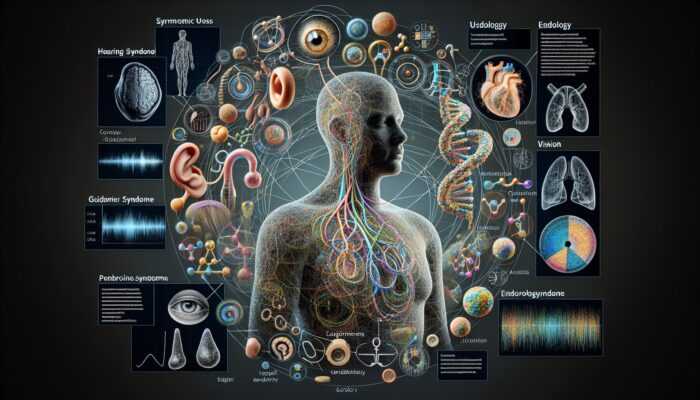
A genetic map illustrating syndromic hearing loss connections to Usher and Pendred syndromes and their impacts.

Genetic hearing loss is primarily divided into two distinct categories: syndromic hearing loss and non-syndromic hearing loss. Syndromic hearing loss is characterized by its occurrence alongside other medical disorders, revealing intricate interactions among various genetic components. Common syndromes include Usher syndrome, which impacts both auditory and visual functions, and Pendred syndrome, which may involve thyroid dysfunction in addition to hearing impairment. These syndromic conditions highlight the multifaceted nature of genetics in hearing loss, often complicating both diagnosis and treatment plans.

On the other hand, non-syndromic hearing loss manifests independently, arising solely from genetic influences without additional symptoms. This type accounts for roughly 70% of all genetic hearing loss cases. Recognizing these categories is crucial for healthcare practitioners, as it allows them to devise targeted treatment strategies tailored to the unique requirements of each patient. Conducting genetic testing can elucidate whether an individual’s hearing loss is syndromic or non-syndromic, facilitating informed decisions regarding future management and family planning.

A multitude of genes are associated with these forms of hearing loss, notably GJB2 mutations, which are a leading cause of non-syndromic hearing loss globally. This underscores the importance of understanding genetic profiles in individual cases. By harnessing the latest developments in genetic research, healthcare professionals can provide personalized insights and interventions, thereby improving patient support and overall outcomes.

Understanding Inheritance Patterns of Hearing Loss

The inheritance patterns of genetic hearing loss have profound implications for family dynamics and medical decision-making processes. Commonly observed inheritance patterns include autosomal dominant, autosomal recessive, and X-linked traits. In the case of autosomal dominant inheritance, just one mutated gene copy is sufficient to exhibit the trait, leading to a considerable risk of transmitting hearing loss to offspring. This pattern often results in quicker recognition of the condition within families.

Conversely, autosomal recessive inheritance necessitates the presence of two mutated gene copies for the trait to manifest. Individuals with only one mutated copy may remain unaware of their genetic status until hearing loss occurs, often later in life or in their children. This less evident inheritance pattern can lead to underdiagnosis or delays in treatment, complicating the management of the condition.

X-linked inheritance predominantly affects males, who carry only one X chromosome. Males with mutations on their single X chromosome are more likely to experience hearing loss, while females may act as carriers without exhibiting symptoms. Families with a history of X-linked hearing loss often encounter unique challenges during genetic counseling and planning, as the associated risks and implications can vary greatly between genders.

In summary, a comprehensive understanding of these inheritance patterns is vital for anticipating potential outcomes and preparing for future family planning. By increasing awareness of these patterns, healthcare providers can better inform patients and families about the risks linked to genetics and hearing loss.

Assessing the Prevalence of Genetic Hearing Loss Globally

The prevalence of genetic hearing loss spans a wide range across different populations and geographical regions. Approximately 1 in 1,000 infants are born with hearing loss related to genetic factors. In certain communities, especially those with high rates of consanguinity, this prevalence may be significantly elevated. For example, studies indicate that in various Middle Eastern countries, the rate of genetic hearing loss can rise to as high as 1 in 200 live births due to a greater likelihood of inheriting recessive genetic mutations.

Global research has highlighted that non-syndromic genetic hearing loss is particularly prevalent among East Asian populations, largely due to specific genetic mutations such as those found in the GJB2 gene. In contrast, other regions may experience a higher prevalence of syndromic forms of hearing loss, emphasizing the necessity of understanding local genetic backgrounds when evaluating risks.

Healthcare systems worldwide are progressively implementing universal newborn hearing screening programs, designed to identify hearing loss early and promote timely intervention. Such initiatives are especially crucial in low-resource settings, where delayed diagnosis can result in significant educational and social challenges for affected individuals. Raising awareness about the frequency of genetic hearing loss can spur efforts to enhance screening programs, ultimately elevating the quality of life for those impacted.

Examining Genetic Mutations Associated with Hearing Loss

Close-up of DNA strand with highlighted mutations, medical diagrams, and hearing loss symbols in a research lab.

Identifying Common Genetic Mutations Linked to Hearing Loss

The landscape of genetic hearing loss is profoundly influenced by a variety of genetic mutations. Among the most prevalent mutations are those in the GJB2 gene, responsible for encoding a protein essential for the proper functioning of auditory hair cells within the inner ear. This mutation accounts for a significant proportion of autosomal recessive non-syndromic hearing loss worldwide, affecting a diverse array of populations.

Another notable mutation is found in the MYO15A gene, which is critical for the development and functionality of hair cells vital for hearing. Mutations in this gene can lead to severe hearing loss, often apparent at birth or during early childhood. By identifying these common genetic variations, researchers and healthcare providers can concentrate on targeted genetic testing, facilitating swifter diagnosis and intervention.

Furthermore, the SLC26A4 gene is linked to Pendred syndrome and nonsyndromic enlarged vestibular aqueduct, illustrating how certain mutations can result in both hearing loss and additional health complications. The multifaceted role of this gene highlights the intricate nature of genetic hearing loss, necessitating thorough genetic counseling and testing to fully understand the impact of these mutations on an individual’s health.

Gaining insight into these common mutations offers invaluable knowledge regarding the biological mechanisms that underlie hearing loss, paving the way for personalized treatment strategies and enhanced patient outcomes. As genetic testing and research continue to evolve, there is a pressing need for ongoing exploration into rare mutations and their potential implications for auditory health.

Understanding How Mutations Affect Hearing

The impact of genetic mutations on hearing loss can vary widely, contingent on the specific genes involved and the nature of the mutation. Some mutations may lead to mild hearing loss, while others can result in profound deafness. For instance, mutations in the GJB2 gene typically present as non-syndromic sensorineural hearing loss, which can range from mild to severe. This variability complicates the clinical landscape, as individuals with identical mutations may experience drastically different auditory outcomes.

Mutations also affect the age of onset, progression, and effectiveness of interventions. Early-onset mutations, often detected through newborn screening, pave the way for timely interventions that can significantly enhance language development and social integration. Conversely, late-onset mutations may manifest later in life, introducing unexpected challenges and necessitating lifestyle adjustments.

The mechanisms by which genetic mutations influence hearing can encompass disruptions in cochlear structural integrity, impairments in hair cell functionality, or interruptions in the pathways that transmit auditory signals to the brain. For example, defects in the MYO15A gene can hinder hair cell function, limiting the ability to accurately process sound signals. Understanding these mechanisms clarifies why specific interventions, such as hearing aids or cochlear implants, may yield better results for certain individuals than for others.

As research progresses, scientists are investigating how specific mutations can inform treatment strategies. Customizing interventions based on an individual’s genetic makeup holds promise for enhancing therapeutic effectiveness and improving overall quality of life.

Recent Advances in Mutation Detection Techniques

Advanced sequencing machines analyzing DNA for hearing loss mutations, scientists observing results on screens.

Recent breakthroughs in mutation detection have transformed the diagnostic landscape for genetic hearing loss. Next-generation sequencing (NGS) technologies facilitate comprehensive genomic analyses, enabling the identification of multiple genetic mutations in a single test. This advancement is revolutionary, as traditional methods often focused on a limited number of genes, potentially missing critical mutations that could influence treatment pathways.

The implementation of whole exome sequencing (WES) has gained popularity, offering a more extensive perspective by capturing all coding regions of the genome. This approach proves particularly advantageous for uncovering rare mutations associated with syndromic hearing loss that might otherwise remain undetected. By revealing the complete range of genetic alterations, healthcare providers can devise personalized management plans.

Moreover, the incorporation of AI and machine learning algorithms into genetic testing processes is enhancing the speed and precision of mutation detection. These advanced technologies analyze extensive datasets, uncovering patterns that human analysts might overlook. Consequently, genetic testing is becoming more efficient, shortening the wait time for results and enabling timely interventions that can significantly influence patient outcomes.

Education and awareness about these advancements are essential. Professionals in the hearing loss community must remain informed regarding the latest technologies and their implications. This ensures that individuals and families affected by genetic hearing loss receive optimal care based on cutting-edge insights into the genetic factors influencing their condition.

The Crucial Role of Genetic Counseling in Hearing Loss Management

Understanding the Significance of Genetic Counseling

Genetic counseling is fundamental in managing hearing loss, particularly when genetic factors are involved. It acts as a vital link between complex genetic information and practical insights for families struggling with hearing issues. Qualified genetic counselors provide clarity regarding the implications of genetic testing results, aiding families in understanding their risks and available options.

Counseling empowers families to make informed decisions about their reproductive choices and medical interventions. For example, understanding the likelihood of transmitting genetic mutations can guide parents in their family planning decisions. This aspect of genetic counseling is especially impactful in communities with elevated rates of specific genetic disorders, where the emotional and social ramifications of hearing loss can be substantial.

Additionally, genetic counselors assist patients in navigating the emotional complexities associated with a hearing loss diagnosis. This support can alleviate feelings of anxiety and uncertainty, creating a safe environment for individuals and families to discuss their concerns, fears, and aspirations. By addressing these emotional needs alongside the medical considerations, counselors can foster resilience and proactive coping strategies among affected families.

In summary, the importance of genetic counseling cannot be overstated. As the field of genetics continues to evolve, the demand for robust counseling frameworks to support individuals and families in understanding and managing genetic hearing loss effectively becomes increasingly critical.

Navigating the Genetic Counseling Process for Families

The genetic counseling process begins with a thorough assessment of the family’s medical history, concentrating on any occurrences of hearing loss or related conditions. This initial evaluation assists counselors in identifying potential genetic risks that may impact the family. Collecting this information is crucial, as it provides context for understanding the genetic landscape within the family unit.

Subsequently, genetic counselors outline the types of genetic tests available, their purposes, and the potential outcomes. Families often appreciate having a clear understanding of what to expect from genetic testing, including the emotional ramifications of receiving both positive and negative results. This transparency fosters trust and ensures that families are adequately prepared to navigate the testing process.

After testing is completed, counselors play a vital role in interpreting the results. They help families understand the implications of various genetic findings, discussing the likelihood of hearing loss, related health conditions, and available interventions. This step is essential; it transforms abstract genetic information into actionable steps, whether that means pursuing further medical evaluations, consulting with hearing specialists, or considering assistive technologies.

Continuous support is equally important. Families may have ongoing questions or require additional resources after receiving their results. Genetic counselors provide ongoing support, connecting families to appropriate resources such as community support groups, educational materials, and specialists in hearing loss. This holistic approach ensures that families feel equipped to manage the complexities of genetic hearing loss effectively.

Ethical Considerations in Genetic Counseling for Hearing Loss

The ethical dimensions of genetic counseling for hearing loss are significant and cannot be ignored. A primary concern revolves around informed consent, which ensures that individuals and families fully comprehend the implications of genetic testing before proceeding. Genetic counselors must guarantee that patients understand the potential risks and benefits of testing, especially concerning family planning and future health decisions.

Confidentiality is another ethical cornerstone in genetic counseling. Patients disclose deeply personal information regarding their health and family histories, making the protection of this confidentiality crucial for establishing trust. Genetic counselors must navigate legal and ethical frameworks to secure patient information, particularly in an era where genetic data is increasingly at risk of breaches and misuse.

Moreover, the potential for discrimination based on genetic information raises significant ethical concerns. Families may worry that revealing genetic predispositions could lead to stigmatization or discrimination, especially in employment or insurance contexts. Counselors must address these concerns by discussing relevant laws and protections that exist in their regions, providing reassurance that privacy safeguards are in place.

Lastly, the role of genetic counseling extends into the realm of social ethics. Counselors must be sensitive to cultural beliefs and values that may shape how families perceive hearing loss and genetic testing. A culturally competent approach guarantees that counseling is respectful of diverse perspectives, ultimately fostering a more supportive environment for families navigating these challenges.

The Role of Genetic Testing in Understanding Hearing Loss

Genetic testing has emerged as a crucial tool in diagnosing and comprehending hearing loss. By analyzing an individual’s DNA, healthcare providers can pinpoint specific genetic mutations that may contribute to hearing impairments. Various types of genetic tests are available, each serving distinct purposes within the diagnostic framework.

Targeted mutation analysis focuses on specific genes linked to known hearing loss syndromes. This method is particularly advantageous when there is a family history of hearing loss or clear clinical indicators. For more comprehensive evaluations, next-generation sequencing (NGS) facilitates simultaneous testing of multiple genes, yielding a holistic view of the genetic factors involved.

The implications of genetic testing for hearing loss are significant. Positive results can lead to early interventions, such as cochlear implants or hearing aids, which can markedly enhance language development and social integration. Conversely, negative results may offer reassurance and clarity for families, alleviating concerns about potential hereditary risks.

However, it is essential to acknowledge the limitations and uncertainties associated with genetic testing. Not all genetic mutations have established correlations with hearing loss, and negative results do not eliminate the possibility of developing hearing issues in the future. Therefore, genetic counseling is vital for contextualizing these findings, assisting families in navigating the complexities of genetic testing.

As genetic research continues to advance, the potential for improvements in testing methodologies remains promising, offering hope for more accurate, efficient, and accessible diagnostics for hearing loss. While the landscape of genetic testing is likely to evolve, the foundational role of genetic counseling will continue to be a cornerstone for families confronting these challenges.

Strategies for Treatment and Management of Hearing Loss

Exploring Current Treatment Options for Hearing Loss

When addressing genetic hearing loss, several effective treatment options are presently available. Among the most common interventions is the use of hearing aids, which amplify sound and facilitate communication for affected individuals. These devices can be customized to meet each patient’s specific requirements, significantly enhancing the quality of life for those experiencing mild to moderate hearing loss.

For individuals suffering from profound hearing loss, cochlear implants provide a revolutionary alternative. These surgically implanted devices bypass damaged hair cells within the cochlea, directly stimulating the auditory nerve. Cochlear implants have transformed the lives of many, enabling those with severe hearing impairments to perceive sounds and interact more fully with their surroundings. Research has indicated that early implantation can result in improved language outcomes, highlighting the critical importance of timely intervention.

Moreover, assistive listening devices, such as FM systems, are advantageous for patients in educational settings or public environments. These devices enhance sound quality and clarity, allowing individuals with hearing loss to engage more effectively in conversations and classroom discussions. The growing recognition of these technologies underscores the necessity of a multifaceted approach to managing genetic hearing loss.

The incorporation of these treatment options into a comprehensive management plan necessitates collaboration among audiologists, speech therapists, and genetic counselors. By tailoring interventions to each patient’s unique profile, healthcare providers can maximize treatment effectiveness, enhancing communication abilities and overall well-being.

Investigating Emerging Therapies for Genetic Hearing Loss

Innovation in the treatment of genetic hearing loss is progressing rapidly. Researchers are exploring a variety of emerging therapies aimed at addressing the underlying genetic causes of hearing impairment. One promising area of investigation centers around gene therapy, with the objective of repairing or replacing defective genes responsible for hearing loss.

Recent breakthroughs in gene therapy have shown potential in preclinical models, with early-stage clinical trials already in progress. These therapies aim to deliver functional copies of genes directly to the inner ear, potentially reversing the effects of genetic mutations. The excitement surrounding these advancements is palpable, as successful gene therapies could revolutionize the standard of care for individuals facing genetic hearing loss.

Another avenue of research involves the application of stem cell therapy to regenerate damaged hair cells within the cochlea. Scientists are investigating the capability of stem cells to replace lost or dysfunctional cells, potentially restoring hearing function. Although still in experimental stages, the implications of these therapies are vast, providing hope for individuals suffering from hearing loss due to genetic factors.

Additionally, advancements in pharmacological treatments are also on the horizon. Researchers are examining medications that target specific pathways involved in hearing loss, aiming to protect auditory cells from damage or promote their regeneration. These emerging therapies could complement existing interventions, creating a multi-faceted approach to managing genetic hearing loss.

As the treatment landscape continues to evolve, it is imperative for healthcare providers to stay informed about emerging therapies. This dynamic field holds the promise for more effective and targeted interventions, ultimately enhancing outcomes for individuals affected by genetic hearing loss.

Strategies for Managing Hearing Loss in Children

Managing hearing loss in children presents unique challenges and opportunities. Early diagnosis and intervention are crucial for optimizing language development and social skills. Newborn screening programs play an essential role in swiftly identifying hearing loss, enabling timely interventions through hearing aids or cochlear implants.

Upon diagnosing a child with genetic hearing loss, individualized management plans must be developed. Such plans may include speech and language therapy to enhance communication skills and foster social interactions. Engaging trained speech-language pathologists specializing in hearing loss is vital for providing targeted support as children navigate their communication journey.

Family involvement is equally important in the management process. Educating families about the nature of genetic hearing loss and available interventions empowers them to advocate for their child’s needs. Support groups can prove invaluable, providing families with opportunities to share experiences and strategies for addressing the daily challenges of hearing loss.

Educational institutions must also be equipped to support children with hearing loss. Collaborating with schools to implement accommodations such as preferential seating, assistive listening devices, and individualized education plans (IEPs) can facilitate academic success. By fostering an inclusive environment, schools can help children with genetic hearing loss thrive both academically and socially.

Ultimately, the goal is to provide a comprehensive support system that addresses the unique challenges faced by children with genetic hearing loss. By leveraging early intervention strategies, educational support, and family engagement, we can significantly enhance the quality of life for these children and empower them to realize their full potential.

Research Endeavors and Future Directions in Hearing Loss

Current Research Initiatives in Genetics

The domain of genetic hearing loss research is rapidly advancing, with numerous ongoing studies investigating the genetic foundations of auditory impairments. Researchers are exploring a broad spectrum of genetic factors linked to both syndromic and non-syndromic hearing loss. This encompasses identifying novel mutations and understanding how these genetic changes affect the structure and function of the auditory system.

International collaborations are becoming increasingly essential, as scientists pool resources and expertise to address the complexities surrounding genetic hearing loss. Large-scale genomic studies, such as genome-wide association studies (GWAS), are elucidating the intricate relationships between various genetic variants and hearing impairment. These collaborative efforts hold the potential to accelerate discoveries and lead to breakthroughs that could reshape our understanding of genetic hearing loss.

Innovative methodologies, including CRISPR-Cas9 gene editing technology, are also being explored within research settings. This powerful tool allows for precise editing of DNA sequences, enabling scientists to investigate the consequences of specific mutations on hearing. By unveiling the mechanisms underlying genetic hearing loss, researchers can pave the way for targeted therapies that address the root causes.

As research continues to progress, integrating findings into clinical practice will be vital. Translating research discoveries into practical applications can enhance the diagnosis, treatment, and management of genetic hearing loss, ultimately improving outcomes for those affected and their families.

Exploring the Potential of Gene Therapy

The potential for gene therapy to transform the treatment of genetic hearing loss is immense. As researchers pinpoint the specific genetic mutations responsible for various forms of hearing impairment, the feasibility of targeted therapies becomes increasingly realistic. By introducing functional copies of genes directly into the inner ear, gene therapy could restore or enhance auditory functions in individuals with genetic hearing loss.

Recent preclinical studies have shown encouraging results, demonstrating that gene therapy can yield substantial improvements in hearing in animal models with genetic mutations. These findings highlight the possibility of translating these therapies into clinical settings, offering hope for individuals facing profound hearing loss due to genetic factors.

Nevertheless, several challenges must be addressed before gene therapy can become a standard treatment option. Ensuring the safety and efficacy of these therapies requires extensive clinical trials and rigorous regulatory oversight. Additionally, determining the optimal timing for intervention is crucial; early administration of gene therapy may produce better outcomes compared to late-stage interventions.

The future of gene therapy in hearing loss treatment appears promising, with several ongoing clinical trials investigating various approaches. As scientists refine these techniques and tackle the challenges involved, the dream of restoring hearing through targeted genetic interventions may soon become a reality for countless individuals worldwide.

Fostering Collaborative Research Efforts

Collaborative research initiatives are vital in advancing the field of genetic hearing loss. By fostering partnerships among universities, hospitals, and research institutions, scientists can share resources, expertise, and data to address complex questions related to genetic hearing loss. These collaborations enhance the potential for groundbreaking discoveries that can lead to better diagnoses and treatments.

International consortia, such as the Global Hearing Loss Consortium, aim to unify researchers across borders to investigate genetic hearing loss. By pooling data from diverse populations, these initiatives can identify genetic variations that may vary regionally and understand their influence on hearing loss. This global perspective is invaluable, as it can yield more comprehensive insights into the genetic factors that impact hearing impairment.

Additionally, collaborative efforts promote the sharing of best practices in genetic counseling and hearing loss management. By exchanging knowledge and strategies, healthcare providers can enhance their approaches to supporting patients and families affected by genetic hearing loss. This emphasis on collaboration not only enriches the research landscape but also improves the overall quality of care for individuals facing hearing challenges.

As the field continues to evolve, fostering a culture of collaboration will be crucial in maximizing the potential of genetic research. By working together, researchers, clinicians, and families can drive advancements that lead to meaningful improvements in the lives of those affected by genetic hearing loss.

Advancements in Diagnostic Tools for Hearing Loss

Recent breakthroughs in diagnostic tools for genetic hearing loss are reshaping the landscape of auditory health. Techniques such as next-generation sequencing (NGS) and whole exome sequencing (WES) have significantly improved the ability to identify genetic mutations associated with hearing loss. These sophisticated tools facilitate comprehensive genetic analyses, yielding a clearer understanding of the underlying causes of hearing impairment.

Moreover, the development of multiplex testing panels allows for simultaneous analysis of multiple genes linked to hearing loss. This efficiency not only accelerates diagnosis but also informs targeted treatment strategies. As genetic testing becomes more accessible and affordable, healthcare providers can seamlessly incorporate these tools into clinical practice, ultimately enhancing patient outcomes.

Additionally, integrating digital technologies into diagnostic processes is broadening the possibilities for early detection of hearing loss. Mobile applications and telemedicine platforms are emerging as valuable tools for facilitating genetic counseling and monitoring. By leveraging technology, healthcare providers can enhance communication and support for families, ensuring they have access to the resources they require.

The impact of these advancements on early detection and intervention is monumental. As diagnostic tools become increasingly sophisticated, the potential for timely identification of genetic hearing loss will consistently improve. This, in turn, will lead to more effective management strategies and an enhanced quality of life for individuals affected by genetic hearing loss.

Ethical Considerations in Genetic Research for Hearing Loss

The ethical considerations surrounding genetic research related to hearing loss are intricate and multifaceted. Issues concerning privacy and consent are paramount, as researchers must navigate the ethical implications of collecting and storing genetic data. Ensuring that participants fully understand the research’s objectives, potential risks, and their rights is essential for fostering trust and transparency in the research process.

Informed consent is a critical aspect of ethical research practices. Participants must be fully aware of how their genetic information will be utilized and the potential implications of their involvement. This is particularly crucial within the context of genetic research, where findings may hold significant consequences not only for individuals but also for their families and future generations.

Discrimination based on genetic information is another ethical concern. Individuals possessing genetic predispositions to hearing loss may fear potential stigmatization in various aspects of life, including employment and insurance. Researchers must advocate for policies that safeguard individuals from discrimination based on genetic information, ensuring that progress in genetic research does not inadvertently result in negative societal consequences.

Furthermore, cultural sensitivities and beliefs must be considered in genetic research related to hearing loss. Researchers should strive to engage with diverse communities in a manner that respects their values and perspectives. Culturally competent research practices can help mitigate misunderstandings and foster trust between researchers and participants, ultimately contributing to the success of genetic research initiatives.

As the field of genetic research continues to develop, addressing these ethical considerations will be crucial to ensuring that advancements in our understanding of hearing loss benefit all individuals and communities. Balancing the pursuit of knowledge with respect for individual rights and cultural values is vital for cultivating a responsible and inclusive research environment.

Assessing the Impact of Hearing Loss on Quality of Life

Exploring the Social and Emotional Effects of Hearing Loss

The social and emotional repercussions of genetic hearing loss can be profound and far-reaching. Individuals with hearing loss frequently encounter unique challenges in social interactions, leading to feelings of isolation and frustration. Communication difficulties can hinder relationships, making it arduous to engage in conversations, participate in group activities, or forge connections with peers.

The emotional strain of living with genetic hearing loss may also manifest in diverse ways. Anxiety and depression are prevalent among those striving to navigate a world that can often feel disconnected. Individuals may struggle with self-esteem issues, particularly when their hearing loss affects their capacity to fully participate in social situations. Recognizing these emotional effects is crucial for providing comprehensive support to those impacted.

Support systems are vital in addressing the social and emotional needs of individuals with genetic hearing loss. Family, friends, and community support networks foster a sense of belonging and understanding. Participation in support groups specifically tailored for individuals with hearing loss can also provide an avenue for sharing experiences and coping strategies, ultimately alleviating feelings of isolation.

Healthcare providers must acknowledge the significance of addressing the emotional aspects of genetic hearing loss. Integrating psychological support into treatment plans can empower individuals to cope with the challenges they face, enhancing their overall quality of life. By cultivating an environment that values emotional well-being, we can assist those affected by genetic hearing loss in leading fulfilling lives.

Identifying Educational Challenges Related to Hearing Loss

Educational challenges stemming from genetic hearing loss can significantly impact a child’s development and future opportunities. Children with hearing loss may struggle to acquire language skills, participate in classroom discussions, and engage with peers, all of which are essential for academic success. Early intervention is key to mitigating these challenges, underscoring the importance of timely diagnosis and support.

Schools must be prepared to accommodate the needs of children with genetic hearing loss. This includes implementing individualized education plans (IEPs) that outline specific accommodations, such as preferential seating, the use of assistive listening devices, and additional support from specialized educators. Teachers trained in working with students with hearing loss can significantly contribute to creating an inclusive learning environment.

Furthermore, raising awareness among educators and peers about genetic hearing loss is paramount. By fostering a culture of understanding and acceptance, schools can help diminish stigma and promote positive interactions among students. Peer support programs can also encourage social integration and friendship-building, enhancing the overall educational experience for children with hearing loss.

Parental involvement is crucial in advocating for a child’s educational needs. Parents can collaborate with educators to ensure their child receives the necessary support and resources to thrive in the classroom. By working together, families and schools can create an environment in which children with genetic hearing loss can achieve their full potential.

Building Support Systems and Resources for Individuals with Hearing Loss

Support systems and resources are essential for individuals and families navigating the complexities of genetic hearing loss. Various organizations and community groups offer information, advocacy, and emotional support, helping families connect with others facing similar challenges. These networks empower individuals to effectively leverage available resources and advocate for their rights.

National and international organizations, such as the Hearing Loss Association of America (HLAA) and the World Health Organization (WHO), provide valuable educational materials, workshops, and conferences aimed at raising awareness and providing assistance for those affected by hearing loss. These resources can aid families in understanding the implications of genetic hearing loss, available treatment options, and coping strategies.

Local support groups also play a significant role in fostering community and connection. These groups offer a platform for individuals and families to share experiences, discuss challenges, and provide mutual support. Whether in-person or online, support networks can greatly alleviate feelings of isolation, helping individuals feel heard and understood.

Healthcare providers should actively engage in connecting patients with these support systems. By providing information about local and national resources, providers can enhance the overall care experience, empowering families to take proactive steps in managing their hearing loss journey.

Ultimately, establishing strong support systems and utilizing available resources is crucial for improving the quality of life for those affected by genetic hearing loss. By fostering connections and providing access to information, we can create a more supportive environment for individuals navigating this complex condition.

Assessing Employment and Career Opportunities for Individuals with Hearing Loss

The impact of genetic hearing loss on employment and career advancement can be significant. Individuals with hearing loss often face unique challenges in the workplace, including communication barriers and potential misconceptions about their capabilities. These challenges can impede job opportunities and restrict career progression.

Employers play a pivotal role in fostering an inclusive work environment. Implementing reasonable accommodations, such as providing assistive listening devices, ensuring accessible communication methods, and cultivating a supportive culture can empower employees with hearing loss to excel in their roles. Training for managers and colleagues on effective communication strategies can also help dismantle barriers and foster understanding.

Despite the challenges, individuals with genetic hearing loss can achieve professional success and fulfillment. Many organizations actively seek to promote diversity and inclusion, recognizing the valuable perspectives and skills that individuals with hearing loss contribute to the workplace. Networking with organizations focused on disability inclusion can provide invaluable resources and opportunities for career advancement.

Advocacy for workplace accommodations is essential. Individuals with hearing loss should feel empowered to articulate their needs and advocate for themselves in professional settings. By fostering a dialogue about the importance of inclusivity, we can work toward creating workplaces that embrace diversity and offer equitable opportunities for all employees, regardless of their hearing abilities.

Recognizing the Importance of Mental Health and Well-being

The effects of genetic hearing loss on mental health and well-being are significant and often overlooked. Individuals with hearing loss may experience feelings of isolation, anxiety, and depression, particularly if they struggle to communicate effectively in social contexts. Addressing these mental health concerns is vital for ensuring overall well-being.

Access to mental health support is critical for individuals navigating the challenges of hearing loss. Therapeutic interventions, such as counseling or cognitive-behavioral therapy, can provide valuable coping strategies and emotional support. Mental health professionals with expertise in working with individuals who have hearing loss can help address specific concerns and promote resilience.

In addition to professional support, fostering strong social connections can enhance mental well-being. Support groups and community networks create opportunities for individuals with hearing loss to connect with others who understand their experiences. These connections can alleviate feelings of isolation and foster a sense of belonging.

Moreover, raising awareness about the mental health implications of genetic hearing loss is crucial. By promoting understanding and reducing stigma, we can create a supportive environment that encourages individuals to seek help and prioritize their mental well-being. Ultimately, addressing the mental health needs of individuals with genetic hearing loss is an essential component of holistic care.

Strategies for Prevention and Raising Awareness

Implementing Effective Strategies for Prevention

Preventing or mitigating the impact of genetic hearing loss necessitates a multi-faceted approach centered on awareness, early detection, and education. One of the most effective strategies involves implementing comprehensive newborn hearing screening programs. These initiatives facilitate the early identification of hearing loss, enabling prompt intervention that can significantly enhance language and social development.

Educating families about the risks associated with genetic hearing loss is equally crucial. Genetic counseling can equip families with the knowledge they need to comprehend their genetic risks and make informed decisions regarding family planning. By raising awareness about genetic testing options and the implications of genetic mutations, families can take proactive measures to address potential hearing loss in future generations.

Community awareness campaigns can significantly contribute to prevention efforts. By educating the public about the signs of hearing loss and the importance of early intervention, we can cultivate a society that prioritizes auditory health. Collaborating with healthcare providers, schools, and community organizations can amplify these messages and reach a broader audience.

Additionally, promoting healthy auditory habits is vital for preventing acquired hearing loss, particularly among individuals with a genetic predisposition. Encouraging the use of hearing protection in noisy environments and raising awareness about the dangers of exposure to loud sounds can help preserve hearing health for those at risk. By adopting a comprehensive approach to prevention, we can work towards reducing the incidence of genetic hearing loss and enhancing overall auditory health.

Strategies for Raising Public Awareness

Raising public awareness about genetic hearing loss is essential for fostering understanding, acceptance, and support for those affected. Community outreach programs, educational workshops, and social media campaigns can effectively disseminate information regarding the complexities of genetic hearing loss and the importance of early detection.

Engaging with advocacy organizations can amplify awareness efforts. Collaborating with groups focused on hearing loss can provide valuable platforms for sharing stories, resources, and information. These organizations often have established networks that can facilitate outreach to diverse communities, ensuring that awareness messages reach those who need them most.

Moreover, integrating hearing loss education into school curricula can promote understanding among younger generations. By educating students about the impact of hearing loss and the value of inclusivity, schools can foster a culture of empathy and support for individuals with hearing impairments.

Additionally, media representation of genetic hearing loss is vital. Highlighting personal stories through documentaries, podcasts, and articles can humanize the experience and encourage dialogue around the topic. By sharing the narratives of individuals living with genetic hearing loss, we can foster a deeper understanding of the challenges they face and the importance of inclusive practices in society.

Ultimately, raising awareness about genetic hearing loss is a shared responsibility. By fostering understanding, advocating for inclusivity, and providing resources, we can create a more supportive environment for individuals and families affected by this condition.

Understanding the Role of Public Health in Hearing Loss

Public health policies are instrumental in addressing the issue of genetic hearing loss. Governments and health organizations must prioritize the implementation of universal newborn hearing screening programs to ensure early identification and intervention. These screening initiatives are essential for detecting hearing loss in infants, allowing for timely access to treatment and support.

Additionally, public health campaigns focusing on genetics and hearing loss can educate communities about the significance of genetic counseling and testing. By fostering awareness of the risks associated with genetic hearing loss, these campaigns can empower families to make informed decisions regarding their health and reproductive choices.

Collaboration between public health agencies, healthcare providers, and advocacy organizations is crucial for developing comprehensive strategies to address genetic hearing loss. By leveraging resources and expertise, stakeholders can create initiatives that promote education, screening, and support for affected individuals and families.

Furthermore, public health policies must prioritize accessibility in healthcare. Ensuring that genetic testing and counseling services are available to all individuals, regardless of socioeconomic status, is vital for reducing disparities in care. By emphasizing equal access to resources, we can work towards improving outcomes for individuals facing genetic hearing loss.

In conclusion, the role of public health in addressing genetic hearing loss is multifaceted. By prioritizing prevention, education, and access to care, we can create a comprehensive approach that supports individuals and families navigating this complex condition.

Engaging the Community in Awareness and Prevention Efforts

Community engagement is essential in supporting awareness and prevention initiatives related to genetic hearing loss. Establishing robust partnerships between healthcare providers, advocacy organizations, and community members can enhance awareness and support efforts. Collaborative initiatives can foster a sense of ownership within communities, empowering individuals to take an active role in promoting auditory health.

Organizing community events that focus on hearing health can serve as an effective platform for educating the public about genetic hearing loss and available resources. Workshops, health fairs, and informational sessions can provide valuable opportunities for individuals and families to learn about genetic testing, counseling, and early intervention options.

Involving individuals with hearing loss in community discussions can amplify their voices and experiences. By sharing personal stories and insights, individuals with genetic hearing loss can help humanize the issue and foster empathy among community members. This engagement can also promote understanding and acceptance, breaking down stereotypes associated with hearing loss.

Collaboration with local schools and educational institutions can further enhance community engagement. By incorporating hearing health education into school curricula, we can nurture a culture of awareness among younger generations. Encouraging students to participate in advocacy efforts can empower them to become champions for inclusivity and support for individuals with hearing loss.

Ultimately, community engagement is a vital component of promoting awareness and prevention efforts for genetic hearing loss. By working together, we can create a more supportive environment for individuals and families navigating the challenges of genetic hearing loss.

Frequently Asked Questions about Genetic Hearing Loss

What are the primary causes of genetic hearing loss?

The primary causes of genetic hearing loss include mutations in specific genes, which can be classified as syndromic or non-syndromic. Syndromic hearing loss occurs alongside other medical conditions, while non-syndromic hearing loss is isolated to auditory issues.

How is genetic hearing loss inherited?

Genetic hearing loss can be inherited in several ways, including autosomal dominant, autosomal recessive, and X-linked patterns. Each pattern has different implications for the likelihood of passing the condition to offspring.

What role does genetic counseling play in managing hearing loss?

Genetic counseling helps individuals and families understand the implications of genetic testing, assess risks, and make informed decisions about family planning and treatment options for hearing loss.

Are there effective treatments for genetic hearing loss?

Yes, effective treatments for genetic hearing loss include hearing aids, cochlear implants, and assistive listening devices. Emerging therapies, such as gene therapy and stem cell treatments, are also under investigation.

What are common genetic mutations associated with hearing loss?

Common mutations associated with hearing loss include those in the GJB2, MYO15A, and SLC26A4 genes. These mutations can lead to varying degrees of hearing impairment.

How can families support children with genetic hearing loss?

Families can support children with genetic hearing loss by engaging in early intervention programs, advocating for educational accommodations, and fostering open communication about their experiences.

What is the prevalence of genetic hearing loss worldwide?

The prevalence of genetic hearing loss varies globally, with approximately 1 in 1,000 infants being born with it. Rates may be higher in regions with consanguinity or specific genetic backgrounds.

How can communities raise awareness about genetic hearing loss?

Communities can raise awareness by organizing educational workshops, collaborating with advocacy organizations, and promoting understanding of genetic hearing loss through social media campaigns and public events.

What ethical considerations are involved in genetic research related to hearing loss?

Ethical considerations in genetic research include informed consent, privacy protection, and addressing potential discrimination based on genetic information. Researchers must navigate these issues carefully to uphold ethical standards.

What resources are available for individuals with genetic hearing loss?

Resources for individuals with genetic hearing loss include support groups, educational materials from organizations like the Hearing Loss Association of America, and access to healthcare providers specializing in auditory health.

Explore our world on X!

The post Genetics in Hearing Loss: An In-Depth Exploration appeared first on The Microsuction Ear Wax Removal Network.


Limit Headphone Use Safely: Your Essential Guide

abbie_c | June 17th, 2025


Exploring the Dangers of Overusing Headphones

Recognizing the Risks of Hearing Loss

Young adult with headphones amidst sound waves, shadowed by hearing loss risk.

The temptation to indulge in immersive audio experiences through headphones can be incredibly appealing. However, extended exposure to loud music presents serious challenges to our auditory well-being. Numerous studies have shown that consistently listening to music at elevated volumes can result in permanent hearing loss. This risk is notably high among young adults and teenagers, who frequently underestimate the lasting effects of their listening behaviors. Since noise-induced hearing loss cannot be reversed, it is essential to comprehend the risks associated with excessive headphone use to protect your hearing health effectively.

Recent statistics uncover a concerning trend: around 1 in 5 teenagers in developed nations experience varying degrees of hearing loss attributed to loud headphone usage. Various leading global health organizations advocate for safe listening practices and urge users to be vigilant about their volume levels. Implementing the 60/60 rule, which recommends listening at no more than 60% volume for a maximum duration of 60 minutes, can serve as a practical guideline. This simple yet effective strategy can significantly reduce the dangers linked to high-volume listening habits.

Many people underestimate the frequency of experiencing temporary symptoms such as ringing or muffled sounds following a loud listening session—these are critical warning signs of potential hearing damage. If not addressed, these symptoms may progress into more serious conditions that require medical attention. Protecting your hearing should be a fundamental priority, especially in an era where high-quality audio technology is widely accessible.

Understanding the Connection Between Headphone Use and Mental Health

Headphones serve as a personal gateway to music, podcasts, and audiobooks, offering a retreat from the chaos of the outside world. However, excessive use can lead to unintended negative consequences, particularly regarding mental health. Research indicates a significant correlation between overusing headphones and increased feelings of anxiety and depression. Users may find themselves withdrawing socially, relying on this auditory escape as a substitute for genuine interactions with others.

The cultural shift toward virtual communication has solidified headphones as a staple in our daily routines. This trend can foster a sense of disconnection, as individuals often tune out their immediate surroundings. This self-imposed isolation can heighten feelings of loneliness, especially in urban areas where community connections tend to weaken. Actively engaging with the world around you—through conversations, social events, or even casual greetings—provides vital social support that headphones cannot replicate.

Mental wellness is intricately linked to our social interactions. To counteract the potential adverse effects of excessive headphone use, consider incorporating regular breaks into your daily routine to enhance social engagement. Reestablishing connections with friends and family can revitalize your mental state, ultimately leading to a more balanced and fulfilling lifestyle.

Identifying Physical Discomfort Associated with Headphone Use

While the convenience of headphones is undeniable, it often conceals the physical discomfort they can cause when used excessively. Prolonged listening sessions can result in ear pain, headaches, and neck tension. Poor positioning and inadequate fit frequently contribute to these issues; headphones that do not sit correctly can place undue pressure on the ears and surrounding muscles. The rise of remote work and online learning has only intensified our reliance on headphones, often resulting in longer and more frequent usage sessions.

A study conducted by a global health organization revealed that nearly 70% of regular headphone users report experiencing discomfort after extensive use. Although this discomfort may seem minor at first, it can escalate into chronic pain, negatively impacting overall quality of life. Investing in ergonomic headphone designs can significantly improve your experience. Seek out headphones that prioritize comfort while delivering exceptional sound quality without necessitating high volume levels.

Incorporating breaks into your headphone usage is essential for mitigating physical strain. Simple stretches or brief walks can alleviate discomfort and enhance circulation. Setting a timer to remind you to take breaks can also prove beneficial. Being attentive to your body’s signals is crucial—if discomfort arises, heed the warning. The objective is to enjoy your audio experiences without compromising your physical health and well-being.

Assessing the Increased Risk of Ear Infections

Close-up of ear canal with bacteria, showing infection risk from headphone use.

The close contact inherent in headphone use raises significant concerns regarding hygiene and overall health. Ear infections are not merely bothersome; they can lead to severe complications if left untreated. Extended headphone use can create a warm, moist environment in the ear canal, offering an ideal breeding ground for bacteria. Research indicates that individuals who frequently wear headphones, particularly in shared or public settings, are at a heightened risk of developing these infections.

Taking preventive measures is essential to safeguarding your ear health. One effective strategy is to maintain cleanliness; routinely cleaning your headphones with an alcohol wipe and avoiding sharing them can minimize bacterial transfer. Additionally, consider opting for over-the-ear headphones instead of in-ear models, as the latter tends to trap moisture and wax more effectively, increasing the likelihood of infection.

Monitoring your ear health is another critical aspect of prevention. If you experience symptoms such as pain, itchiness, or unusual discharge, it is vital to consult a healthcare professional promptly. Proactive measures can protect your hearing and allow you to relish your music without the fear of adverse health consequences.

Recognizing Distractions and Safety Risks Associated with Headphone Use

Using headphones while navigating busy streets or public areas introduces various safety concerns that must not be ignored. The immersive nature of audio can lead to dangerous distractions, as users may become oblivious to their surroundings. Research has demonstrated that pedestrians wearing headphones are considerably less aware of their environment, resulting in an increased likelihood of accidents.

Awareness is paramount when enjoying your favorite tunes or podcasts. Remain vigilant about your surroundings, and consider limiting headphone use in high-traffic areas or during activities that require complete attention, such as driving or cycling. Striking a balance between enjoying audio content and prioritizing safety should always lean toward caution—your life and well-being are invaluable.

In various urban locations worldwide, laws are evolving to address headphone use while driving or walking. For instance, certain cities have implemented regulations prohibiting headphone use in designated pedestrian zones to enhance safety. As a global community, it is crucial to raise awareness about these risks and advocate for safer listening practices.

Establishing Safe Volume Levels for Headphone Use

Implementing the 60/60 Rule for Safe Listening

Person with earbuds, volume at 60%, 60-minute timer, surrounded by audio devices, promoting safe listening.

The 60/60 rule is a straightforward yet highly effective method for managing your listening habits in a world saturated with high-quality sound. By adhering to the guideline of listening at no more than 60% volume for a maximum of 60 minutes, you can enjoy your favorite audio content while safeguarding your hearing health. This rule is especially vital in an era where earbuds and headphones are ubiquitous, often leading users to unknowingly exceed safe volume levels.

Research conducted by global health organizations underscores the importance of volume regulation. Exposure to sound levels above 85 decibels can be detrimental, particularly when maintained over extended periods. Unfortunately, many popular listening devices can easily surpass this threshold, making it imperative for users to remain vigilant. Adopting the 60/60 rule not only aids in preserving auditory health but also encourages users to take mindful breaks, fostering a healthier relationship with sound.

To further enhance your listening experience, consider setting reminders or utilizing apps that automatically adjust volume levels according to your preferences. Such tools can help keep you accountable and mindful of your auditory habits. Remember, prioritizing your hearing health today can pave the way for a lifetime of enjoyment from your favorite sounds.

Utilizing Volume Limiters for Hearing Protection

Modern technology offers numerous avenues for protecting your hearing, with the use of volume limiters being one of the most effective strategies. Many devices, including smartphones and tablets, come equipped with settings that allow users to cap the maximum volume output. This simple adjustment can serve as a safeguard against accidental exposure to harmful sound levels, providing peace of mind for users of all ages.

When setting volume limits, consider your typical listening environment. If you often find yourself in noisy settings, it may be tempting to increase the volume. Instead, choose high-quality headphones that feature noise-cancellation capabilities. This way, you can enjoy your audio at safer volumes without compromising sound quality.

Furthermore, educating younger users about the importance of volume limiters is crucial. Children and teenagers are particularly vulnerable to hearing damage, making it essential to instill safe listening practices from an early age. In a rapidly evolving technological landscape, ensuring that the next generation understands how to utilize these features responsibly is a shared responsibility among caregivers and educators.

Scheduling Regular Hearing Check-ups for Proactive Care

Proactively monitoring your hearing is an often-overlooked aspect of maintaining auditory health. Regular hearing check-ups are vital for individuals of all ages, especially for those who frequently use headphones. Audiologists recommend scheduling these evaluations at least once a year for adults and even more frequently for younger users or those experiencing any symptoms.

During a hearing evaluation, audiologists can provide valuable insights into any potential issues and recommend appropriate adjustments to your listening habits. Tracking changes in your hearing can aid in identifying harmful patterns early on, allowing you to make informed decisions regarding your audio consumption.

Additionally, advancements in technology have made it easier than ever to monitor your hearing health. Several mobile apps can conduct preliminary hearing tests, offering a convenient way to check your auditory status regularly. While these apps do not replace professional evaluations, they serve as useful tools for fostering self-awareness about hearing health.

Incorporating Breaks into Your Listening Routine

The Essential Role of Breaks in Maintaining Ear Health

Taking regular breaks from headphone use is not merely a suggestion; it is a necessity for sustaining auditory health. Continuous exposure to sound can lead to auditory fatigue, thereby increasing the risk of hearing damage. Implementing structured breaks allows your ears to recuperate, ensuring that your listening experiences remain both enjoyable and safe.

The cumulative effects of prolonged listening can result in a condition known as temporary threshold shift, where you may experience diminished hearing acuity following extended exposure to sound. This phenomenon is prevalent among enthusiastic headphone users and serves as a warning that your ears require a break. Experts recommend adhering to the 60/60 rule, but incorporating breaks every hour can further enhance auditory health.

Consider setting an alarm or timer to remind yourself to pause your audio sessions. Use this time to engage in non-auditory activities such as stretching or enjoying nature. Such breaks not only benefit your hearing but also provide a mental reset, enhancing your overall well-being.

Developing a Structured Break Schedule for Healthy Listening Habits

Creating a structured break schedule can be instrumental in cultivating healthy listening habits. By planning your listening sessions and integrating breaks at regular intervals, you foster a balance that protects your hearing while allowing you to enjoy audio content.

Establishing a routine can be particularly effective for students and professionals who rely on audio for studying or work. For instance, if you generally listen to music while studying, aim for 50 minutes of focused listening followed by a 10-minute break. During these breaks, take a moment to step away from your devices—this practice is essential for both your hearing health and mental clarity.

Encourage friends and family to join you in adopting structured break schedules. Sharing the experience of mindful listening can reinforce positive habits and foster a supportive community focused on auditory health.

Engaging in Activities During Listening Breaks

What you choose to do during breaks can significantly impact your overall well-being. Participating in non-auditory activities not only provides your ears with a much-needed rest but also offers physical and mental benefits. The options are endless: from stretching and moving your body to practicing mindfulness or even engaging in light conversation.

Physical activity is particularly advantageous during these breaks. Simple stretches or short walks can enhance circulation and alleviate tension, contributing to improved mood and focus. Consider stepping outside to enjoy fresh air and natural surroundings—this type of engagement with the environment promotes mental well-being, especially in an increasingly digital world.

Fostering creativity during your breaks can also yield positive outcomes. Consider journaling, sketching, or meditating during your downtime. Engaging in activities that resonate with you can transform break times into opportunities for personal growth and relaxation.

Selecting the Most Suitable Headphones

Exploring the Benefits of Noise-Cancelling Headphones

Investing in headphones equipped with noise-cancelling features can dramatically enhance your listening experience. Noise-cancelling technology significantly reduces ambient sounds, allowing users to enjoy audio at lower volumes. This capability is particularly beneficial in noisy environments such as public transport, bustling cafes, or busy city streets.

Research indicates that users who choose noise-cancelling headphones tend to listen at lower volumes, thereby substantially lowering the risk of hearing damage. In a world filled with loud sounds, this technology is not just a luxury but a necessary precaution for preserving auditory health.

While noise-cancelling headphones may come at a higher price point, the investment can pay off in terms of preserving your hearing health and enhancing overall enjoyment. Whether you are an avid traveler or simply cherish moments of peace while working, the advantages of utilizing noise-cancelling headphones are undeniable.

Prioritizing Comfort and Fit in Headphone Selection

The significance of comfort in selecting headphones cannot be overstated. Well-fitting headphones minimize physical discomfort and enable longer listening sessions without strain. Poorly fitted headphones can lead to ear pain and headaches, detracting from the enjoyment of your audio experience.

When choosing headphones, prioritize models that are adjustable and come with various ear tip sizes to ensure a personalized fit. Over-ear designs may provide more comfort for prolonged use, while in-ear options might be more suitable for those seeking portability. Always consider trying out several different pairs to find the one that best meets your needs.

Additionally, many brands now offer ergonomic designs specifically aimed at maximizing comfort during extended use. Investing in high-quality headphones not only enhances sound quality but also guarantees a pleasant listening experience that supports safe audio habits.

Ensuring Durability and Quality in Headphone Choices

Durability and quality are paramount when selecting headphones, particularly for regular users. Investing in high-quality headphones ensures that you receive exceptional sound performance and comfort—both critical for safe listening. Cheaper models may save you money upfront but often compromise on sound quality and durability, leading to increased wear and tear over time.

Look for headphones crafted from quality materials that can withstand daily use. Research from audio enthusiasts and reviewers can help guide you in identifying brands known for producing reliable headphones. Recommendations based on user experiences can also offer valuable insights into which models stand the test of time.

In a rapidly evolving technological landscape, it’s essential to select headphones that can adapt to your changing needs. Features such as wireless connectivity, comfort, and sound quality should inform your purchasing decision. Ultimately, a thoughtful investment in high-quality headphones will benefit your auditory health and enjoyment for years to come.

Fostering Education and Awareness Around Safe Headphone Use

Participating in Awareness Campaigns for Auditory Health

Engaging in awareness campaigns centered on safe headphone use can significantly impact community health. These initiatives provide valuable information on the risks associated with excessive headphone use and promote safe listening practices. Global organizations frequently host events aimed at educating the public, and participating in such activities can amplify your voice while fostering a culture of awareness within your community.

Consider organizing local workshops or seminars focused on sharing knowledge about auditory health. Collaborate with audiologists or public health professionals to present current research and recommendations. Communities greatly benefit from grassroots campaigns that empower individuals to take charge of their hearing health and encourage safe practices.

Utilizing social media platforms can also enhance your outreach efforts. Share informative posts, personal experiences, or tips on safe headphone use with your network. These platforms can serve as powerful tools for disseminating information and initiating discussions about auditory health on a global scale.

Disseminating Knowledge About Safe Listening Practices

Education becomes most impactful when shared. By informing friends and family about the dangers associated with headphone overuse and the importance of safe listening practices, you can help cultivate a more health-conscious community. Initiate conversations about auditory health during gatherings, or share informative articles and videos that highlight essential points for safe headphone use.

Encouraging discussions about each other’s listening habits can inspire behavior changes and mutual support. Establish family guidelines for headphone use, particularly for children, to ensure safe practices are integrated into daily life. Empowering others with knowledge creates a ripple effect, ultimately leading to increased awareness about the importance of safe headphone use.

Connecting with online communities or forums dedicated to auditory health can also provide valuable insights and shared experiences. Exchanging tips and resources with like-minded individuals enhances your understanding of the importance of safe listening habits.

Staying Updated on Auditory Health Research and Recommendations

In a continuously evolving world, staying informed about the latest research and recommendations regarding safe headphone use is vital. Regularly reading articles, scientific studies, and news updates related to auditory health can equip you with current knowledge, empowering you to make informed decisions about your listening habits.

Subscribing to reputable health organizations or audiology journals can keep you abreast of emerging trends and technologies in the field. Understanding the science behind hearing health enables you to advocate for safe practices effectively within your community.

Attending conferences or seminars on auditory health provides additional opportunities to learn from experts. Networking with professionals in the field can lead to valuable insights and resources that you can share with your community. Being proactive in your learning journey benefits not only you but also contributes to the collective knowledge about safe headphone use.

Monitoring Your Listening Habits for Better Auditory Health

Maintaining a Listening Diary for Insightful Self-Reflection

Tracking your headphone usage through a listening diary can unveil valuable patterns and insights about your habits. Documenting when and how long you listen can help identify potential risks associated with excessive use. Are there specific times of day when you tend to listen more? Do you frequently increase the volume in noisy settings?

A listening diary can also serve as a motivational tool. By visualizing your listening habits, you can set goals for reducing excessive use or incorporating more breaks into your routine. This simple yet effective method fosters self-awareness and accountability concerning your audio consumption.

Involving friends or family members in this journaling practice can amplify its effectiveness. Sharing your findings can create a supportive environment for everyone to prioritize their auditory health and make positive changes together.

Leveraging Technology: Apps and Tools to Monitor Listening Habits

The digital age offers a plethora of tools and apps designed to help users monitor and limit headphone use. Many of these applications allow users to track listening habits, establish time limits, and receive reminders to take breaks. Utilizing technology in this manner can provide an additional layer of accountability for those seeking to protect their hearing.

Explore apps that provide auditory feedback, indicating when you’ve reached potentially harmful volume levels. These tools can empower you to make informed decisions regarding your listening habits while helping you adhere to guidelines like the 60/60 rule.

Additionally, engage with online communities to discover which apps others find most beneficial. Sharing insights and experiences about technology can enhance your understanding of how to effectively manage your audio consumption and promote safe practices.

Reflecting on Your Listening Habits for Continuous Improvement

Regularly reflecting on your headphone usage is crucial for ensuring that your habits align with safe practices. Take time to consider how often you listen, the environments in which you typically use headphones, and any symptoms of discomfort. This self-reflection can lead to valuable insights about areas needing improvement.

Dedicate time each week to assess your listening habits and identify any necessary adjustments. Have there been instances where you found yourself listening at high volumes? Were there days when you exceeded your usual listening time? This ongoing reflection can guide you in establishing healthier habits moving forward.

Encouraging friends or family to join you in this reflective practice can enhance accountability and promote a culture of safe listening. Together, you can create shared goals and celebrate milestones related to improving your auditory health.

Encouraging Alternatives to Headphone Usage

Opting for Speakers When Possible to Reduce Ear Strain

Choosing speakers over headphones can be a refreshing alternative that promotes safer listening levels. While headphones offer an immersive experience, using speakers allows you to enjoy sound without direct exposure to your ears. This method is particularly beneficial in social settings, where shared listening can enrich bonding experiences.

Consider setting up a speaker system in your home or office, enabling you to enjoy music, podcasts, or audiobooks without the associated risks of headphone use. By creating a vibrant audio environment, you can engage with your surroundings and encourage a more communal experience.

Moreover, using speakers can help promote mindfulness about volume levels, as it is easier to manage loudness when sound is projected into a room rather than directly into your ears.

Advocating for Open-Ear Devices for Safer Listening

Open-ear devices, such as bone conduction headphones, present an innovative alternative to traditional headphones. These cutting-edge devices transmit sound through the bones in your skull, allowing users to hear ambient sounds while enjoying audio content. This design minimizes isolation and fosters awareness of one’s surroundings, making it a safer choice for outdoor activities.

Research indicates that individuals utilizing open-ear devices report a more balanced auditory experience, enabling them to stay aware of their environment without sacrificing sound quality. This technology is particularly advantageous for runners and cyclists who need to remain alert while enjoying music or podcasts.

Encouraging the adoption of open-ear devices among friends and family can help cultivate a culture of safe listening practices. By showcasing the benefits of this innovative technology, you can assist others in prioritizing both their auditory enjoyment and safety.

Frequently Asked Questions About Safe Headphone Use

What are the potential dangers of excessive headphone use?

Excessive headphone use can lead to permanent hearing loss, social isolation, heightened anxiety, physical discomfort, and an increased risk of ear infections. Being aware of these risks is crucial for protecting your auditory health.

How can I establish safe listening levels?

Adhere to the 60/60 rule: listen at 60% volume for no more than 60 minutes. Utilizing volume limiters and scheduling regular hearing check-ups can also aid in maintaining safe listening levels.

Why are breaks essential during headphone use?

Taking breaks prevents auditory fatigue, lowers the risk of hearing damage, and gives your ears a chance to recover. Regular breaks also enhance your mental clarity and contribute to your overall well-being.

What should I consider when selecting headphones?

Look for noise-cancelling features, ensure a comfortable fit, and invest in durable, high-quality headphones. Prioritize models that deliver excellent sound quality while minimizing the risk of physical discomfort.

How can I educate others about safe headphone practices?

Share knowledge through discussions, social media, and awareness campaigns. Organizing local workshops or collaborating with health professionals can also amplify your impact on spreading awareness.

What tools can assist me in monitoring my listening habits?

Consider using apps designed to track headphone usage, set time limits, and remind you to take breaks. These tools can help keep you accountable and support the maintenance of safe listening practices.

What activities can I engage in during breaks from headphones?

Participate in non-auditory activities such as stretching, walking, journaling, or socializing. These activities promote both physical and mental well-being while providing your ears with a much-needed rest.

How do open-ear devices enhance safety?

Open-ear devices like bone conduction headphones allow users to hear ambient sounds while enjoying audio content, fostering awareness of surroundings and reducing feelings of isolation.

Why are regular hearing check-ups necessary?

Regular check-ups help monitor changes in your hearing and identify potential issues early on. They provide valuable insights into your auditory health and effective listening habits.

What are the benefits of noise-cancelling headphones?

Noise-cancelling headphones diminish ambient noise, allowing users to enjoy audio at lower volumes. This feature significantly reduces the risk of hearing damage while enhancing the overall listening experience.

Explore our journey on X!

The post Limit Headphone Use Safely: Your Essential Guide appeared first on The Microsuction Ear Wax Removal Network.

Hearing Aids in Dementia Care: Boosting Cognitive Health

abbie_c | June 17th, 2025


Exploring the Intricate Relationship Between Hearing Loss and Dementia

The relationship between <a href="https://www.earwaxremoval.net/ototoxic-drugs-and-their-impact-on-hearing-loss/">hearing loss</a> and dementia is a complex and concerning issue that impacts millions of people around the world. Understanding this connection is essential not only for raising awareness but also for finding effective methods for intervention and care. Research indicates that addressing hearing impairments may provide critical insights into mitigating cognitive decline. Gaining a deeper understanding of how hearing loss worsens dementia symptoms is a vital step in developing effective strategies for managing dementia and improving overall patient outcomes.

Exploring the Impact of Hearing Loss on Cognitive Abilities

An elderly person in a social setting, struggling to hear, showing confusion and frustration.

Hearing loss places a significant burden on cognitive resources, increasing the likelihood of developing dementia. When auditory input is diminished, the brain must exert greater effort to process sounds, which diverts attention and mental resources from other cognitive tasks. This increased cognitive load can hasten cognitive decline, making it more challenging for individuals to participate in social settings, follow conversations, and retain information. Additionally, the social isolation often associated with hearing loss can exacerbate this situation; individuals may withdraw from social interactions due to feelings of frustration or embarrassment, creating a harmful cycle that perpetuates both cognitive decline and isolation.

Research from around the globe shows that individuals with untreated hearing loss are at a heightened risk of experiencing mental health issues such as depression and anxiety, which can further impair cognitive function. The brain thrives on sensory stimulation, and when it lacks auditory input, it can lead to a deterioration of neural connections. This situation is even more critical in areas where access to hearing healthcare is limited, emphasizing the urgent need for widespread awareness and effective intervention strategies to address hearing loss and its consequences on cognitive health.

The Role of Hearing Aids in Supporting Cognitive Health

Extensive research demonstrates that hearing aids can significantly contribute to the preservation of cognitive health in individuals suffering from hearing loss. By enhancing auditory input, hearing aids alleviate the cognitive burden associated with interpreting sounds in various environments, thus allowing the brain to allocate its resources more effectively. Improved auditory input not only facilitates clearer communication but also fosters cognitive engagement by consistently providing the necessary stimulation for cognitive functioning.

The dual benefits of hearing aids in enhancing both auditory perception and cognitive performance offer a promising avenue for dementia care. With continual advancements in technology, modern hearing aids now come equipped with features that cater to a wide range of listening environments, thereby boosting their overall effectiveness. For example, contemporary hearing aids can filter out background noise, emphasizing speech, which is particularly vital in noisy settings. This customized auditory experience not only helps maintain social connections but also enhances cognitive engagement, ultimately benefiting the mental health of users.

Research Evidence Supporting Hearing Aids as a Preventive Measure Against Dementia

An expanding body of evidence indicates that regular use of hearing aids can significantly diminish the risk of developing dementia. Numerous studies published in reputable journals illustrate that individuals who consistently utilize hearing aids experience a slower rate of cognitive decline compared to those who do not use them. In diverse populations across various geographical locations, findings consistently show that hearing aid users demonstrate improved cognitive functioning and a decreased likelihood of exhibiting dementia-related symptoms.

One particularly noteworthy study tracked participants over several years and revealed that individuals who wore hearing aids had a remarkably lower risk—up to 50%—of cognitive decline compared to their counterparts who did not use these devices. This correlation highlights the importance of early intervention and the consistent use of hearing aids as proactive strategies in dementia prevention. The implications are significant: equipping individuals with hearing aids enhances their auditory experiences and serves as a vital preventive measure against cognitive decline, underscoring the critical importance of hearing aids in the realm of dementia care.

Exploring the Advantages of Hearing Aids in Dementia Management

Elderly person with dementia wearing hearing aids, smiling and conversing with caregiver in a cozy room.

Integrating hearing aids into dementia management plans can bring about substantial benefits for both patients and caregivers. By enhancing auditory perception, hearing aids improve communication, elevate quality of life, and promote cognitive engagement—all essential elements in the effective management of dementia.

Facilitating Effective Communication for Dementia Patients

Effective communication is crucial for individuals living with dementia, yet hearing loss can create formidable barriers. Hearing aids help facilitate clearer communication, empowering dementia patients to engage more actively in conversations and social interactions. This improvement in communication not only alleviates frustration but also cultivates a sense of belonging, allowing patients to participate in family gatherings, community events, and even simple day-to-day interactions with greater ease.

Caregivers play a vital role in this dynamic, as they can encourage the regular use of hearing aids and assist patients in navigating their auditory surroundings. By facilitating discussions about the benefits of hearing aids, caregivers can help dispel any stigma associated with their use. As dementia progresses, maintaining communication becomes increasingly crucial; thus, hearing aids act as indispensable tools in ensuring that patients remain connected to their loved ones and communities.

Enhancing Quality of Life Through Improved Hearing

The quality of life is a fundamental aspect of dementia care, and hearing aids can significantly enhance this by enabling patients to engage more fully in their daily activities. Improved hearing contributes to a greater sense of independence, allowing individuals to join conversations, enjoy music, or partake in hobbies without the limitations imposed by hearing loss. This newfound freedom can lead to increased satisfaction and a more positive outlook on life.

In various cultural contexts, where social interactions vary widely, the ability to hear well can open doors to diverse experiences that enrich life. Whether attending a local festival or simply enjoying a family meal, enhanced hearing allows dementia patients to forge meaningful connections that are vital for their emotional well-being. Consequently, hearing aids serve not only a practical purpose but also play a significant role in improving the overall quality of life for individuals living with dementia.

Promoting Cognitive Stimulation and Mental Engagement

Elderly person with dementia using hearing aids in a lively group discussion, surrounded by stimulating sounds and music.

Cognitive stimulation is essential for individuals with dementia, and hearing aids can significantly facilitate this process. By enhancing auditory input, hearing aids help maintain mental activity, which is crucial for slowing cognitive decline. Engaging with sounds, conversations, and music stimulates the brain, promoting neural connectivity and overall cognitive health.

Activities such as listening to audiobooks, participating in discussions, or joining group activities become more accessible with improved hearing capabilities. These experiences not only provide enjoyment but also encourage mental engagement, helping to keep cognitive faculties sharper for longer periods. Moreover, the ability to hear better allows individuals to remain aware of their surroundings, enhancing their engagement with the world around them.

The benefits of auditory stimulation extend beyond mere enjoyment. Research indicates that active engagement through hearing aids can lead to improved memory retention and cognitive function in dementia patients, highlighting the essential role these devices play in comprehensive care strategies aimed at supporting cognitive health.

Addressing Challenges and Considerations in the Use of Hearing Aids for Dementia

While the advantages of hearing aids in dementia care are significant, there are challenges and considerations that must be addressed to ensure optimal outcomes. From adaptation issues to stigma and maintenance requirements, understanding these challenges is crucial for maximizing the effectiveness of hearing aids in dementia management.

Navigating the Adaptation Process for Dementia Patients Using Hearing Aids

Adapting to hearing aids can present unique challenges for dementia patients. Cognitive impairments may hinder their ability to comprehend how to use these devices, leading to feelings of frustration and reluctance. It is essential to provide comprehensive support during the initial transition to wearing hearing aids. Caregivers can offer assistance by demonstrating how to properly insert and adjust the devices, ensuring that patients feel comfortable and confident.

Establishing consistent routines can greatly aid in this adaptation process. Encouraging patients to wear their hearing aids during specific times of the day can help them acclimate to the sensations and sounds associated with improved hearing. Regular reinforcement and gentle reminders can significantly influence their willingness to utilize hearing aids effectively.

In addition to practical support, emotional encouragement is crucial. Acknowledging the challenges associated with hearing aids while emphasizing their benefits can help foster a positive attitude towards their use. Celebrating small victories, such as successfully participating in a conversation, can motivate patients to embrace their hearing aids as valuable tools in their dementia care journey.

Combating Stigma and Promoting Acceptance of Hearing Aids

Overcoming the stigma associated with hearing aids is essential for ensuring their effective use among dementia patients. Societal perceptions often frame hearing aids as symbols of aging or disability, which can deter individuals from embracing these devices. To combat this stigma, it is vital to promote awareness regarding the critical role of hearing aids in cognitive health, particularly in the context of dementia care.

Educational campaigns can play a pivotal role in reshaping public perceptions. Sharing success stories of individuals who have benefited from using hearing aids can inspire others to follow suit. Furthermore, involving healthcare professionals in advocacy efforts can enhance the credibility of the message, reinforcing that hearing aids are not merely assistive devices but essential tools for improving quality of life.

Encouraging open discussions about hearing impairment and its impacts on cognitive health can also help normalize these conversations. By fostering an environment where individuals feel comfortable discussing their hearing loss and seeking assistance, we can break down barriers and promote acceptance of hearing aids as integral components of effective dementia management.

Ensuring Proper Fit and Ongoing Maintenance of Hearing Aids

A proper fit and routine maintenance are essential for ensuring that hearing aids work effectively for dementia patients. Ill-fitting devices can cause discomfort and diminish the likelihood of regular use. Conducting regular check-ups with audiologists is crucial to ensure that hearing aids are appropriately adjusted to meet the evolving needs of patients as their dementia progresses.

Maintenance includes not only physical adjustments but also routine cleaning and battery replacements. Caregivers should be trained to assist with these tasks, ensuring that patients receive optimal auditory support. By establishing a maintenance routine, caregivers can provide peace of mind and encourage patients to continue using their hearing aids without hassle.

Additionally, as technology advances, hearing aids may require software updates and feature enhancements. Staying informed about these developments can improve the effectiveness of the devices, ensuring that dementia patients receive the best possible auditory experiences throughout their care journey.

Incorporating Hearing Aids into Comprehensive Dementia Care Plans

The integration of hearing aids into holistic dementia care plans is crucial for providing well-rounded support for patients. Collaboration among healthcare providers, personalized solutions, caregiver education, and ongoing monitoring are all vital components necessary for achieving optimal patient outcomes.

Collaborating with Healthcare Providers for Comprehensive Dementia Care

Effective dementia care necessitates a multidisciplinary approach, where collaboration among audiologists, neurologists, and other healthcare professionals is vital. By incorporating hearing aids into treatment plans, a more comprehensive understanding of the patient’s overall health can be achieved. Audiologists can offer insights into the specific hearing needs of dementia patients, while neurologists can address cognitive issues, leading to a cohesive care strategy.

This collaborative approach ensures that treatment plans are tailored to each individual, taking into account the complexities of both hearing loss and cognitive decline. Regular communication between professionals fosters an environment of shared knowledge, enabling healthcare teams to adapt strategies as the patient’s condition evolves.

Furthermore, involving family members in this collaboration is essential. By keeping families informed and engaged in care decisions, they can better support patients in adhering to treatment plans and utilizing hearing aids effectively. This dynamic support network enhances the overall quality of care and promotes a patient-centered approach.

Customizing Hearing Aid Solutions to Meet Individual Needs

Customization is key to maximizing the benefits of hearing aids in dementia care. Each patient’s hearing loss and cognitive decline are unique, necessitating personalized solutions. Audiologists can assess individual needs, adjusting settings and features to align with the specific challenges faced by dementia patients.

For example, some patients may find noisy environments particularly challenging, requiring hearing aids equipped with advanced noise reduction capabilities. Others may need devices that amplify specific frequencies to improve speech clarity. By tailoring these solutions, audiologists can enhance the effectiveness of hearing aids, ensuring that patients receive the auditory support they require.

Moreover, as dementia progresses, patients may need ongoing adjustments to their hearing aids. Regular follow-ups with audiologists can facilitate these modifications, ensuring that devices continue to meet the evolving needs of patients. This proactive approach encourages sustained auditory engagement, which is essential for maintaining cognitive health.

Empowering Caregivers with Knowledge About Hearing Aids

Caregivers play an indispensable role in the effective use of hearing aids for dementia patients. Providing them with comprehensive education about the benefits of hearing aids and how to operate them is crucial for fostering a supportive environment. Understanding how to encourage patients to wear their hearing aids consistently can significantly impact their quality of life.

Training sessions can equip caregivers with the necessary knowledge to assist patients effectively. This includes information on troubleshooting common issues, recognizing signs that hearing aids are not functioning correctly, and understanding the emotional aspects of hearing loss. By empowering caregivers with these skills, they can offer proactive support, enhancing the overall care experience for dementia patients.

Additionally, caregivers can benefit from learning effective communication strategies that accommodate both hearing loss and cognitive decline. Training them in these techniques can further enhance interactions, fostering a deeper sense of connection between caregivers and patients.

Monitoring and Adjusting Hearing Aid Use Within Dementia Care

Ongoing monitoring and adjustments of hearing aids are essential to ensure that they continue to meet the needs of dementia patients. Regular assessments can help identify changes in hearing ability or cognitive function, prompting necessary adjustments to the devices. This process is vital for maintaining optimal auditory support as dementia progresses.

Caregivers should remain vigilant in observing how patients interact with their hearing aids. Are they wearing them consistently? Do they struggle in specific environments? By closely monitoring these factors, caregivers can identify issues and collaborate with audiologists to implement timely adjustments.

Moreover, advancements in technology offer opportunities for the remote monitoring of hearing aid usage. Some modern devices can provide data on usage patterns and environmental challenges, enabling healthcare providers to make informed decisions regarding necessary adjustments. This integration of technology enhances the efficiency of dementia care, ensuring that patients receive tailored support at every stage of their journey.

Innovations in Hearing Aids for Enhanced Dementia Care

The field of hearing aids is continually evolving, with innovative technologies emerging to enhance the experience for dementia patients. These advancements not only improve auditory perception but also include features specifically designed to address the unique needs of individuals with cognitive decline.

Recent Innovations in Hearing Aid Design and Functionality

Recent innovations in hearing aid design include features that greatly improve the user experience for dementia patients. Technologies such as noise reduction, directional microphones, and adaptive sound processing are just a few examples of advancements that cater to various listening environments. These features enable patients to engage more effectively in social situations, thereby reducing the cognitive load associated with interpreting sounds.

For instance, directional microphones can concentrate on sounds coming from specific locations, making it easier for patients to engage in conversations during family gatherings or in crowded spaces. This functionality not only enhances communication but also fosters a sense of connection, allowing dementia patients to actively participate in social interactions.

Moreover, the availability of rechargeable hearing aids has simplified maintenance routines, eliminating the need for frequent battery replacements. This convenience is especially beneficial for individuals with dementia, as it reduces the complexity of managing their hearing aids and encourages consistent usage.

The Impact of Smart Hearing Aids on Cognitive Health Monitoring

Smart hearing aids are revolutionizing our understanding and management of cognitive health in dementia patients. Equipped with sensors and connectivity features, these devices can monitor usage patterns, auditory engagement, and even social interactions. This data provides valuable insights into the cognitive health of individuals, enabling healthcare providers to identify changes and adapt care strategies accordingly.

For example, if data indicates that a patient is not using their hearing aids as frequently as recommended, healthcare providers can intervene early to address potential barriers to usage. Additionally, monitoring social engagement can help caregivers understand how well patients are interacting with their environment, facilitating timely adjustments to care plans.

As research progresses in this area, the potential of smart hearing aids to offer predictive analytics related to cognitive decline could transform dementia care. Such advancements may allow healthcare providers to implement proactive strategies, addressing cognitive issues before they become pronounced.

Future Directions for Hearing Aid Technology in Dementia Care

The future of hearing aid technology holds immense potential for enhancing dementia care. Ongoing research is focused on developing hearing aids that not only improve auditory input but also incorporate features aimed at supporting cognitive health. This includes the integration of artificial intelligence and machine learning algorithms that adapt to individual user preferences and environmental changes, ensuring optimal auditory experiences.

Furthermore, advancements in biometric sensors may enable hearing aids to monitor vital signs or cognitive activity levels, providing a holistic view of a patient’s health. These innovations could pave the way for more tailored interventions, ensuring that dementia patients receive the necessary support throughout their journey.

Collaboration among technology companies, healthcare providers, and researchers will be critical in driving these advancements forward. By prioritizing user-centered design and evidence-based solutions, the industry can create hearing aids that not only address auditory challenges but also enhance cognitive well-being.

Combining Hearing Aids with Other Dementia Care Technologies

The integration of hearing aids with other dementia care technologies presents a unique opportunity to enhance overall patient support. Smart home systems, wearable devices, and telehealth platforms can work in conjunction with hearing aids to create a cohesive care ecosystem. For instance, hearing aids can be synchronized with home automation systems, allowing patients to receive auditory prompts or alerts about daily activities.

Additionally, wearable devices can monitor physical health and cognitive engagement, providing data that can be shared with healthcare providers for comprehensive assessments. This interconnected approach ensures that patients receive holistic support, addressing both auditory and cognitive needs simultaneously.

As technology continues to advance, the potential for integrating hearing aids into broader health monitoring systems will expand. By leveraging data from various sources, caregivers can gain deeper insights into a patient’s overall well-being, enabling proactive interventions that support cognitive health and enhance quality of life.

Creating User-Friendly Interfaces for Dementia Patients

User-friendly interfaces in hearing aids are essential for ensuring that dementia patients can manage their devices effectively and independently. Simplified controls, visual aids, and intuitive designs can significantly enhance the user experience, making it easier for individuals to adapt to their hearing aids.

Innovative designs that prioritize accessibility are crucial for addressing the unique challenges faced by dementia patients. For instance, tactile buttons and clear visual indicators can help individuals navigate their devices without confusion. Moreover, voice-activated controls may offer additional convenience, allowing users to adjust settings without needing to comprehend complex functions.

Education and training surrounding these user-friendly features can empower patients to take ownership of their hearing aids, fostering a sense of independence and boosting their confidence. By prioritizing ease of use, manufacturers can ensure that hearing aids become valuable companions in the dementia care journey rather than sources of frustration.

Frequently Asked Questions

What is the relationship between hearing loss and dementia?

Hearing loss can significantly strain cognitive resources, potentially accelerating cognitive decline and increasing the risk of developing dementia.

How do hearing aids benefit individuals with dementia?

Hearing aids improve communication, enhance quality of life, and support cognitive stimulation, all of which contribute to better management of dementia.

Can hearing aids act as a preventive measure against dementia?

Research suggests that consistent use of hearing aids may lower the risk of developing dementia by improving auditory engagement and cognitive interaction.

What challenges do dementia patients face when using hearing aids?

Dementia patients may struggle to adapt to hearing aids due to cognitive impairments, societal stigma, and the need for proper fit and maintenance.

How can caregivers assist dementia patients using hearing aids?

Caregivers can help with the use and maintenance of hearing aids, provide emotional support, and encourage consistent usage to enhance communication.

What advancements are being made in hearing aid technology for dementia care?

Innovations such as noise reduction, smart features, and integration with other technologies are improving the effectiveness of hearing aids for dementia patients.

Are there specialized hearing aids designed for dementia patients?

Yes, many modern hearing aids are specifically designed with features that cater to the needs of dementia patients, enhancing usability and effectiveness.

Why is regular maintenance crucial for hearing aids?

Regular maintenance ensures that hearing aids function optimally, adapting to the changing needs of dementia patients and providing consistent auditory support.

How can hearing aids enhance the quality of life for individuals with dementia?

By improving communication and fostering social engagement, hearing aids can significantly enhance the overall quality of life for individuals living with dementia.

What strategies can help address the stigma surrounding hearing aids?

Educational campaigns and sharing success stories can help normalize the use of hearing aids and promote their importance for cognitive health in dementia care.

Discover our world on X!

The post Hearing Aids in Dementia Care: Boosting Cognitive Health appeared first on The Microsuction Ear Wax Removal Network.

Stress and Hearing Problems: A Universal Insight into Their Link

abbie_c | June 14th, 2025


Understanding the Physiological Effects of Stress on Hearing Health

How Stress Hormones Affect the Auditory System

Anatomical illustration of inner ear with disrupted blood flow due to high cortisol levels, showing stress impact on hearing.

The intricate connection between stress and hearing health stems from the physiological responses our bodies experience. Central to this relationship are stress hormones, with cortisol being a key player. When we encounter high levels of stress, cortisol is released into the bloodstream, triggering a cascade of effects, including changes in blood flow. The inner ear, which is essential for hearing, depends on a steady blood supply to function optimally. Disruptions in this vital flow can worsen existing hearing problems or even initiate new ones, highlighting the need to understand and manage stress for the sake of auditory health.

Research indicates a direct correlation between chronic exposure to high cortisol levels and conditions like sensorineural hearing loss. This type of hearing loss arises from issues within the inner ear or auditory nerve and can be aggravated by insufficient blood supply and heightened stress levels. Populations living in high-stress contexts—such as busy urban areas or demanding workplaces—are particularly vulnerable to hearing complications due to these hormonal fluctuations, emphasizing the importance of addressing stress in efforts to protect auditory health.

The auditory system is particularly responsive to stress-induced changes. For instance, the cochlea, a crucial component of the inner ear, is susceptible to variations in blood flow, which can lead to both temporary and permanent damage when stress becomes chronic. The broader implications of this are significant, affecting not only individuals but entire communities in high-stress environments like Tokyo, New York, or São Paulo. Understanding these dynamics is essential for developing effective interventions to support hearing health in stressed populations.

The Impact of Muscle Tension on Hearing Health

Physical symptoms of stress often manifest as muscle tension, which can have profound effects on hearing health. Chronic stress leads to sustained tension in the muscles surrounding the ears and jaw, potentially worsening hearing difficulties. This muscle tension can produce a variety of symptoms, ranging from discomfort and pain to tinnitus—a persistent ringing or buzzing sensation in the ears. Recognizing these physical manifestations is crucial for addressing the root causes of hearing problems.

The connection between muscle strain and hearing impairment is well-documented; studies reveal that individuals with heightened muscle tension frequently report decreased hearing sensitivity. In bustling cities like Mumbai, where urban noise pollution compounds stress, the combination of external noise and internal tension can create an environment conducive to hearing deterioration. It is essential for individuals to understand the impact of stress-related muscle strain on their auditory health and to take proactive steps to mitigate these effects.

Additionally, the repercussions of muscle strain on auditory issues extend beyond mere discomfort. Tense muscles can hinder the functionality of the Eustachian tube, causing pressure imbalances within the ear. Such imbalances can significantly compromise hearing acuity, making it critical for individuals to recognize and address signs of stress-induced muscle tension promptly. Awareness and intervention can enhance overall auditory well-being and prevent further complications.

How Stress Amplifies Noise Sensitivity

In a world saturated with noise, heightened stress levels can increase sensitivity to auditory stimuli, magnifying pre-existing hearing problems. Individuals under significant stress may become easily overwhelmed by background noises, exacerbating conditions like hyperacusis, which is characterized by an increased sensitivity to normal environmental sounds. This phenomenon underscores the need to understand the psychological effects of stress on auditory perception.

This increased sensitivity can be especially problematic in densely populated areas where ambient noise levels are consistently high. Cities such as London or Hong Kong, known for their vibrant yet chaotic environments, pose unique challenges for stressed individuals. Instead of acclimating to their auditory surroundings, people experiencing stress may react more intensely, leading to anxiety and further complicating their hearing difficulties. Understanding this reaction is pivotal for developing effective coping strategies.

The interplay between stress and noise sensitivity can hinder effective communication, leading individuals to withdraw from social interactions due to discomfort with auditory overload. This withdrawal can foster feelings of isolation, negatively impacting mental health. It is crucial to advocate for both personal strategies to manage stress and broader societal initiatives aimed at reducing environmental noise pollution to support those struggling with hearing challenges.

The Relationship Between Sleep Disturbances and Hearing Function

A person in bed, awake, with abstract sound waves and disrupted sleep pattern, illustrating stress effects on hearing.

Quality sleep is vital for maintaining overall health, including optimal auditory function. However, stress frequently disrupts sleep patterns, which can have lasting repercussions on hearing recovery and health. Sleep serves as a critical time for bodily repair, including the restoration of the auditory system. When stress interferes with sleep, it compromises these restorative processes, potentially exacerbating hearing problems over time.

Studies have revealed that individuals grappling with chronic stress often report significantly poorer sleep quality, which in turn affects cognitive functions and auditory processing abilities. In a global context, the demands of modern life exacerbate these issues, leading to sleep-related hearing complications. For instance, professionals in high-pressure jobs in cities like Sydney or Los Angeles may find their inability to obtain restorative sleep due to stress negatively impacts their ability to comprehend sounds and speech throughout the day.

Moreover, the interplay between sleep and hearing is bidirectional; poor hearing can also contribute to sleep disturbances, creating a complex interrelationship that requires careful management. Therefore, implementing adequate rest through effective stress management techniques is essential for preserving hearing health. Understanding this dynamic can encourage individuals to prioritize both sleep and stress reduction in their wellness strategies.

The Immune System’s Role in Ear Health Amidst Stress

The immune system is instrumental in safeguarding ear health, and chronic stress can significantly compromise its effectiveness. When the body is under continuous stress, it prioritizes survival mechanisms, redirecting resources away from crucial functions like immune defense. Consequently, this can lead to heightened susceptibility to ear infections, which have well-documented negative effects on hearing.

Globally, communities experiencing prolonged stress—be it due to socio-economic conditions, conflict, or environmental stressors—often face increased rates of auditory issues linked to weakened immune responses. For example, populations in war-torn regions or those grappling with economic hardships frequently contend with higher rates of infections that can result in hearing loss. This underscores the importance of holistic health approaches that integrate stress management and immune support.

Furthermore, recognizing the connection between immunity and hearing health highlights the necessity for individuals to consider stress management as part of their overall wellness strategy. By fostering a robust immune system through lifestyle changes and effective stress reduction techniques, individuals can better protect their auditory health from the detrimental impacts of infections and inflammation.

Exploring the Psychological Dimensions of Hearing Health

The Influence of Anxiety on Perceived Hearing Loss

A person in a bustling city, covering ears, overwhelmed by anxiety and distorted sound waves representing heightened perception of hearing loss.

The psychological relationship between anxiety and hearing health is profound, often leading to a heightened perception of hearing loss. Individuals experiencing anxiety may misinterpret their auditory experiences, believing their hearing abilities are diminished more than they actually are. This misperception can create a self-fulfilling prophecy, where anxiety amplifies the genuine hearing difficulties faced by the individual.

Globally, this phenomenon is prevalent in various cultures, where societal expectations and pressures can exacerbate anxiety levels. In fast-paced metropolitan areas, the constant drive for performance can lead individuals to become overly critical of their hearing capabilities, resulting in increased anxiety and stress. Addressing this perception of hearing loss is essential for improving overall health and well-being.

Cognitive Behavioral Therapy (CBT) has proven effective in helping individuals manage anxiety related to their hearing health. By reframing negative thought patterns and shifting their understanding of auditory health, individuals can alleviate anxiety and enhance their quality of life. Integrating psychological support into hearing care is crucial for fostering resilience and improving outcomes.

Moreover, building supportive networks within communities can help mitigate anxiety associated with hearing loss. Educational initiatives focused on hearing health can create an environment that encourages individuals to share their experiences and learn from one another, fostering a culture of understanding and support.

Cognitive Overload as a Consequence of Stress

High stress levels can lead to cognitive overload, significantly impairing the brain’s ability to process auditory information. When individuals are preoccupied with stressors, their capacity to focus on sounds diminishes, making it increasingly challenging to engage in conversations or comprehend speech. This phenomenon is particularly detrimental in social situations where auditory cues are essential for interaction.

In regions facing high-stress environments, such as South Africa or Brazil, individuals may find their auditory processing abilities compromised. The cacophony of daily life, combined with cognitive overload, can create barriers to effective communication, resulting in frustration and feelings of isolation. Addressing these challenges is crucial for enhancing auditory health in stressed populations.

Research indicates that stress can adversely affect working memory, a critical component for following conversations and understanding complex auditory inputs. For many individuals, this decline in cognitive function leads to a retreat from social interactions, as they feel overwhelmed or incapable of engaging in verbal exchanges. Effective stress management techniques, such as mindfulness and relaxation exercises, can help individuals regain cognitive clarity and improve auditory processing, ultimately enhancing their social experiences.

Emotional Distress and Its Impact on Hearing Aid Usage

Emotional distress can create significant barriers to the effective use of hearing aids, complicating the challenges associated with hearing loss. Individuals experiencing stress or anxiety may hesitate to wear hearing aids, fearing stigma or unwanted attention regarding their hearing difficulties. This reluctance can lead to a detrimental cycle, where the lack of auditory amplification exacerbates feelings of isolation and frustration.

Globally, perceptions surrounding hearing aids differ widely. In some cultures, wearing hearing aids carries a stigma that contributes to emotional distress for those who need them. This stigma can deter individuals from seeking the assistance they require, further deteriorating their auditory health and overall well-being. Addressing these emotional aspects is essential for improving hearing aid acceptance and outcomes.

Audiologists and hearing care professionals play a crucial role in providing compassionate support and counseling to encourage acceptance of hearing aids. Community education initiatives can also help normalize the use of hearing aids, fostering a more inclusive atmosphere for individuals experiencing hearing loss. Creating supportive environments where individuals feel comfortable discussing their hearing challenges can alleviate emotional distress and promote better utilization of hearing aids.

The Effects of Depression on Auditory Processing

Depression can severely impair auditory processing, complicating the ability to comprehend speech and sounds. Individuals battling depression often experience cognitive deficits that hinder their capacity to interpret auditory information effectively. This creates a frustrating feedback loop, where difficulties in hearing lead to social withdrawal and further exacerbate depressive symptoms.

Research indicates that individuals in regions facing economic instability or social challenges, such as parts of Eastern Europe or South America, may experience higher rates of both depression and auditory processing issues. The intersection of these challenges highlights the urgent need for comprehensive approaches that address both mental health and hearing care.

Treatment strategies that tackle both auditory processing and emotional health are crucial for effective care. Multi-disciplinary approaches involving audiologists, psychologists, and mental health professionals can provide holistic support that addresses the complex needs of individuals struggling with both hearing loss and mental health challenges. Moreover, community support systems can empower individuals to seek help by fostering a culture of understanding and empathy.

The Link Between Social Isolation and Hearing Decline

Social isolation is a significant factor that accelerates hearing decline, particularly among individuals experiencing stress. When people withdraw from social interactions due to hearing challenges, they miss out on essential auditory stimulation, which is vital for maintaining hearing capabilities. This isolation can lead to decreased cognitive engagement, further compounding hearing difficulties.

Globally, social isolation is a pressing issue, especially among aging populations or communities facing socio-economic challenges. In rural areas of India or remote regions of Canada, individuals often struggle with limited access to auditory health resources and social support, resulting in accelerated hearing decline. Strategies to combat this trend are essential for enhancing social connections and auditory health.

Fostering social connections is crucial in mitigating the effects of isolation. Community programs that encourage interaction among individuals with hearing loss can significantly improve overall well-being. Moreover, leveraging technology, such as video conferencing and social media, can create virtual platforms for connection, allowing individuals to engage despite physical barriers. Education plays a vital role in reducing isolation; awareness campaigns highlighting the importance of social interaction for hearing health can motivate individuals to seek help and engage with their peers.

Exploring Lifestyle Factors that Influence Hearing Health

The Impact of Sleep Deprivation on Hearing

The detrimental effects of sleep deprivation on hearing health are profound. Chronic lack of sleep, often exacerbated by stress, can lead to significant auditory problems by impairing both auditory function and overall health. Sleep is a restorative process essential for cellular repair and maintaining cognitive functions, including auditory processing, making its quality fundamental to hearing health.

Research has shown that individuals who experience chronic sleep deprivation often report increased hearing difficulties. Key physiological processes that support auditory health, including critical brain functions involved in sound interpretation, are adversely affected by inadequate rest. This connection underscores the necessity of prioritizing sleep as a vital component of hearing health.

Globally, lifestyle factors contributing to sleep deprivation differ widely. In bustling urban environments like Tokyo or New York, the demands of work and social life frequently lead individuals to sacrifice sleep, inadvertently harming their auditory health. In contrast, cultural practices that promote rest in other regions may enhance sleep hygiene and, consequently, lead to better hearing outcomes.

To combat the adverse effects of sleep deprivation on hearing, individuals should adopt strategies that promote restorative sleep. Establishing a relaxing bedtime routine, minimizing screen time before sleep, and managing stress levels can all contribute to improved sleep quality. By prioritizing sleep as part of a holistic approach to hearing health, individuals can yield significant benefits for their auditory function.

The Role of Diet in Stress-Related Hearing Issues

A well-balanced diet is crucial for overall health, including auditory function. Stress often leads individuals to make poor dietary choices, resulting in nutritional deficiencies that can negatively impact hearing health. Diets high in processed foods and sugars can contribute to inflammation, which is detrimental to the auditory system and can worsen hearing problems.

Certain nutrients are particularly important for maintaining auditory health. For instance, omega-3 fatty acids are essential for reducing inflammation and supporting cellular function within the auditory system. Additionally, antioxidants found in fruits and vegetables help combat oxidative stress, which can damage hearing structures. Recognizing the importance of diet in auditory health is critical for addressing stress-related hearing issues.

Globally, dietary habits vary significantly, influencing hearing health in diverse ways. In Mediterranean regions, traditional diets rich in fish, nuts, and vegetables may contribute to better hearing outcomes compared to the processed food-heavy diets common in industrialized nations. Individuals looking to improve their auditory health should prioritize a balanced diet that incorporates essential nutrients to mitigate the negative effects of stress on dietary choices. Community initiatives that promote healthy eating can foster collective efforts to enhance overall health, including auditory function.

The Benefits of Exercise for Stress Management and Hearing

Regular exercise is a potent tool for managing stress and, in turn, supporting hearing health. Engaging in physical activity has been shown to significantly reduce stress levels, enhance mood, and promote overall well-being. By alleviating stress, individuals can also mitigate its negative effects on hearing, making exercise an essential component of a healthy lifestyle.

The benefits of exercise extend beyond stress reduction. Physical activity improves blood circulation, which is vital for delivering oxygen and nutrients to the inner ear. This enhanced circulation can promote auditory health and help combat the physical manifestations of stress on hearing. Emphasizing the importance of regular exercise is crucial for maintaining optimal hearing function.

Globally, exercise practices vary widely, from yoga in India to jogging in urban parks across Europe. Regardless of the form, incorporating regular physical activity into one’s routine can yield significant benefits for both mental and auditory health. Communities that promote active lifestyles and provide accessible exercise facilities can foster healthier populations and contribute to improved hearing health outcomes.

Individuals should aim to engage in at least 150 minutes of moderate exercise each week. Whether through group classes, outdoor activities, or solo workouts, finding enjoyable ways to stay active can significantly impact stress management and hearing health. By prioritizing physical activity, individuals can create a positive feedback loop that supports their overall well-being, including auditory function.

Addressing Social and Environmental Considerations

The Impact of Social Isolation Due to Stress

Social isolation, often exacerbated by stress, poses significant risks to hearing health. Individuals experiencing heightened stress levels may withdraw from social engagements, leading to a lack of auditory stimulation that is crucial for maintaining hearing capabilities. This isolation can compound feelings of loneliness, creating a detrimental cycle that impacts both mental health and auditory function.

Globally, the effects of social isolation can be particularly pronounced in specific communities. In many developing countries, individuals may lack access to hearing health resources, further isolating them when they experience hearing difficulties. The absence of social connections can accelerate auditory decline, as reduced interactions limit opportunities for cognitive engagement and auditory processing. Addressing this issue requires community-focused strategies that promote social interaction and connectivity.

Initiatives connecting individuals experiencing hearing loss with social networks can significantly improve their overall well-being. Leveraging technology to facilitate communication can also bridge gaps for those unable to engage in person. Awareness campaigns emphasizing the importance of social interaction for hearing health can foster more supportive environments, encouraging inclusive practices that reduce the stigma surrounding hearing loss.

Environmental Noise Pollution and Its Effects on Stress

Environmental noise pollution can significantly exacerbate stress and negatively impact hearing health. Individuals residing in high-noise areas may experience heightened sensitivity to sounds, leading to increased stress levels and auditory discomfort. Understanding this relationship is essential for addressing hearing health effectively and mitigating the effects of environmental factors.

Globally, urban centers are often characterized by elevated noise levels from traffic, construction, and social activities. In cities like Mumbai or New York, the constant barrage of sound can create an overwhelming environment, contributing to heightened anxiety and stress. These conditions can adversely affect not just mental health but also lead to auditory decline over time, making it imperative to consider noise reduction strategies.

Individuals can implement sound management strategies to combat the adverse effects of environmental noise. Utilizing noise-canceling headphones, establishing quiet personal spaces, and advocating for policies aimed at noise reduction can help mitigate stress. Community initiatives focused on reducing environmental noise can also promote healthier auditory environments, fostering well-being for residents.

Moreover, raising awareness about the impact of noise pollution on both mental and auditory health is vital. By educating communities about the importance of quieter environments, individuals can become advocates for supportive spaces that promote overall health and well-being.

Workplace Stress and Hearing Safety

High levels of workplace stress can lead to negligence regarding hearing protection, increasing the risk of auditory damage. In industries such as construction, manufacturing, and entertainment, exposure to high decibel levels can severely impact hearing health. When stress levels rise, individuals may overlook essential safety protocols, resulting in long-term consequences for their auditory function.

Globally, workplace cultures vary, affecting the emphasis placed on hearing safety. In some regions, robust regulations and practices exist to protect workers from noise-induced hearing loss. In contrast, areas with limited resources or enforcement, such as parts of Southeast Asia, may expose workers to significant risks without adequate protection. Employers must prioritize stress management alongside occupational health to foster a culture of hearing safety.

Implementing regular training on hearing conservation, providing access to hearing protection, and promoting a supportive workplace environment can significantly reduce risks. Employees should also be encouraged to communicate their needs regarding hearing protection and stress management. By creating open channels for dialogue, companies can foster a culture of safety and well-being that ultimately contributes to better auditory health outcomes.

Exploring Medical and Therapeutic Approaches

Effective Stress Management Techniques for Hearing Health

Implementing effective stress management techniques can significantly support hearing health. Strategies such as mindfulness, meditation, and deep breathing exercises help individuals manage stress, potentially benefiting their auditory well-being. These practices can lower cortisol levels and promote relaxation, enhancing overall health and supporting hearing function.

Globally, various cultures have developed unique approaches to stress management. For instance, in Japan, the practice of Shinrin-yoku, or forest bathing, emphasizes the therapeutic benefits of nature, demonstrating a powerful method for reducing stress levels and improving both mental health and auditory function. Incorporating these practices into daily routines can yield profound benefits for hearing health.

Individuals should explore diverse stress management techniques to find what resonates most with them, whether it be yoga, tai chi, or mindfulness meditation. Community programs offering workshops on stress reduction can provide resources and support for individuals seeking to enhance their well-being. By prioritizing stress management in daily life, individuals can significantly improve their auditory health outcomes.

Medical Interventions for Stress Management

While medical interventions for stress, including medications, can offer relief, they may also come with side effects that impact hearing health. Certain prescription medications, particularly those affecting neurotransmitters, can have auditory consequences. It is essential for individuals to engage in discussions with their healthcare providers regarding potential side effects and hearing implications.

Globally, access to mental health resources varies significantly, impacting individuals’ options for managing stress effectively. In countries with robust healthcare systems, individuals may have access to various therapies and medications. However, in regions with limited resources, such as parts of Africa or Central America, individuals may encounter challenges in obtaining effective treatment for stress-related issues.

When considering medical interventions, individuals should carefully weigh the benefits and potential risks. Seeking guidance from healthcare professionals and audiologists can empower individuals to make informed decisions regarding stress management options that prioritize both mental health and auditory function. Additionally, educating individuals about the potential impact of medications on hearing can help them advocate for their health effectively.

The Essential Role of Audiologists in Hearing Health

Audiologists play a critical role in addressing hearing issues exacerbated by stress. These professionals offer expert guidance on auditory health, helping individuals navigate the complexities of hearing loss and its psychological components. By addressing both auditory and emotional aspects, audiologists can provide comprehensive care that enhances overall well-being.

Globally, access to audiological services varies, yet the need for support remains universal. In developed countries, audiologists often collaborate with mental health professionals to provide holistic care, while individuals in underserved regions may lack access to such valuable resources, highlighting the need for increased awareness and support for hearing health initiatives.

Audiologists also offer customized solutions for managing hearing loss related to stress. This may include counseling on hearing aid usage, strategies for coping with auditory overload, and recommendations for stress management techniques tailored to individual needs. Community outreach initiatives can enhance access to audiological services, empowering individuals to take charge of their auditory health and well-being.

The Benefits of Cognitive Behavioral Therapy for Hearing Health

Cognitive Behavioral Therapy (CBT) has gained recognition as an effective strategy for managing stress and anxiety, which may indirectly support hearing health. CBT focuses on changing negative thought patterns and promoting healthier coping mechanisms, helping individuals combat the emotional toll associated with hearing loss. This therapeutic approach can provide valuable tools for individuals seeking to improve their mental well-being and auditory function.

Globally, the implementation of CBT varies, with accessibility impacted by cultural attitudes toward mental health. In some regions, such as Northern Europe, CBT is widely available and integrated into healthcare systems. Conversely, in areas where mental health remains stigmatized, individuals may struggle to access these essential resources. Fostering a culture of acceptance and understanding is crucial for enhancing access to therapeutic interventions.

For individuals experiencing stress and anxiety related to hearing loss, CBT can offer valuable tools for reframing their perceptions and building resilience. Additionally, community programs that provide CBT workshops can empower individuals to engage proactively with their mental health, promoting positive outcomes for both hearing and emotional well-being.

Nutritional Approaches to Support Stress Relief

A balanced diet rich in specific nutrients can significantly aid in stress reduction and overall well-being, including auditory function. Nutritional choices play a critical role in managing stress, as certain foods can influence cortisol levels and promote relaxation. Understanding the dietary factors that contribute to stress management is essential for maintaining auditory health.

Globally, dietary patterns differ widely, affecting individuals’ abilities to manage stress effectively. In cultures that prioritize fresh produce, whole grains, and healthy fats, individuals may experience lower stress levels and improved auditory health. In contrast, regions dominated by processed foods may see higher stress levels and associated health challenges. Promoting holistic approaches to nutrition can foster overall health and well-being.

Individuals looking to enhance their stress management through nutrition should focus on incorporating foods rich in omega-3 fatty acids, antioxidants, and other essential nutrients. Building a diverse, nutrient-rich diet can not only support mental health but also contribute to better auditory function. Community initiatives that promote healthy eating and nutritional education can play a vital role in fostering overall health and enhancing auditory outcomes.

Understanding the Vicious Cycle of Stress and Hearing Loss

How Stress Exacerbates Hearing Loss

The relationship between stress and hearing loss creates a vicious cycle where each factor exacerbates the other. Stress can directly worsen hearing loss by impacting physiological processes that support auditory health, while hearing loss can lead to heightened stress levels, further deteriorating overall well-being. This cycle is particularly pronounced in high-stress environments, where individuals may become increasingly susceptible to auditory issues.

Research suggests that individuals experiencing chronic stress often report heightened sensitivity to noise, which can lead to increased discomfort and frustration in social situations. As stress levels rise, the brain’s ability to process auditory information declines, resulting in a context where hearing difficulties worsen. Understanding this dynamic is crucial for developing effective interventions that simultaneously address both stress and auditory health.

Globally, the implications of this cycle are significant. In densely populated urban areas, where stress levels tend to be elevated, individuals may find themselves trapped in a loop of stress and hearing decline. To break this cycle, individuals must prioritize stress management techniques alongside comprehensive hearing care. By fostering resilience and accessing resources such as counseling and audiological support, individuals can disrupt the negative feedback loop and improve their overall health.

The Impact of Hearing Loss on Stress Levels

Conversely, hearing loss can significantly elevate stress levels, creating a challenging dynamic that compounds the difficulties individuals face. The inability to communicate effectively can lead to feelings of frustration, isolation, and anxiety, further exacerbating the impact of stress on overall health. This relationship underscores the importance of addressing both hearing health and stress management simultaneously.

Globally, the stigma surrounding hearing loss can also contribute to increased stress. Individuals may feel embarrassed or self-conscious about their hearing difficulties, leading to social withdrawal and heightened anxiety levels. In cultures where communication is highly valued, the effects of hearing loss can be particularly pronounced, emphasizing the need for supportive environments and open discussions around auditory health.

Addressing this aspect of the cycle requires a multifaceted approach. Encouraging open dialogues about hearing loss and fostering supportive environments can help individuals feel less isolated. Community initiatives aimed at raising awareness about auditory health and reducing stigma can foster greater acceptance and understanding. Providing access to resources such as hearing aids and audiological support can empower individuals to manage their hearing loss effectively, breaking free from the cycle of stress and auditory decline.

Strategies for Breaking the Cycle

Breaking the cycle of stress and hearing loss necessitates a comprehensive approach that addresses both factors simultaneously. Individuals must recognize the interplay between stress management and auditory health, seeking resources and support that facilitate positive outcomes. Strategies for breaking this cycle include implementing stress management techniques, engaging in regular physical activity, and fostering social connections.

Globally, communities can play a vital role in providing education and resources to support individuals facing stress and hearing challenges. Initiatives promoting awareness and understanding can empower individuals to seek help and embrace solutions that improve both their mental health and auditory function. Healthcare professionals must adopt a holistic approach to care, recognizing the interconnectedness of these factors to offer comprehensive support that enhances overall well-being.

The Importance of Professional Support

Seeking professional help from audiologists and therapists can provide tailored solutions for effectively managing both stress and hearing loss. These professionals are equipped to address the complexities of auditory health and the psychological aspects associated with stress. Their expertise can facilitate comprehensive care that promotes better outcomes for individuals.

Globally, access to audiological and mental health services varies significantly. In some regions, individuals may have robust access to multidisciplinary care, while in others, limitations may hinder their ability to receive essential support. Advocating for comprehensive services is crucial to ensure individuals can access the resources they need to improve their auditory health and overall well-being.

Audiologists can offer strategies for coping with hearing loss, while therapists provide tools for managing stress and anxiety. This collaborative approach allows individuals to tackle both aspects of their health effectively, fostering a comprehensive understanding of their unique challenges. Community initiatives that connect individuals with hearing health resources can enhance access to support and empower individuals to seek help for their auditory health needs.

Implementing Preventive Measures and Early Interventions

Effective Stress Reduction Strategies for Hearing Health

Implementing effective stress reduction strategies is pivotal in preventing the worsening of hearing problems. Individuals must prioritize self-care practices that promote relaxation and resilience against stress. Techniques such as mindfulness, yoga, and deep breathing exercises can all contribute to lowering stress levels while supporting auditory health.

Globally, the adoption of stress reduction practices varies. Cultures that emphasize wellness and holistic health approaches often have more resources available, while others may need to integrate these practices into daily life. Emphasizing the importance of stress management across diverse communities can foster a more widespread understanding of its impact on hearing health.

Individuals should explore various stress reduction techniques to find what resonates with them personally. By incorporating these practices into daily routines and prioritizing self-care, individuals can enhance their overall well-being, reducing the risk of compromising their auditory health. Community initiatives promoting wellness and stress management can create supportive environments that empower individuals to take charge of their health proactively.

The Importance of Regular Hearing Check-Ups

Regular hearing check-ups are essential for early intervention and preventing hearing problems exacerbated by stress. Individuals should prioritize routine audiological evaluations to monitor their hearing health and address any issues before they escalate into more significant concerns. Proactive measures are crucial for maintaining auditory health and overall well-being.

Globally, access to audiological services varies, impacting individuals’ ability to seek routine check-ups. In regions with limited healthcare resources, individuals may overlook the importance of hearing assessments. Advocating for increased access to audiological care is vital for promoting auditory health across diverse communities, ensuring that everyone has the opportunity to maintain their hearing health effectively.

By prioritizing regular check-ups, individuals can stay informed about their auditory health and receive personalized recommendations for managing stress-related issues. Audiologists can provide valuable insights on coping strategies and support, helping individuals navigate the complexities of hearing health in the context of stress. Community outreach programs that promote awareness of the importance of hearing health can foster a culture of proactive care, encouraging individuals to prioritize their auditory well-being.

Frequently Asked Questions About Stress and Hearing Health

What are the effects of stress on hearing health?

Stress can negatively affect hearing health by triggering hormonal changes, causing muscle tension, and increasing noise sensitivity, all of which can lead to a decline in auditory function.

Can anxiety worsen the perception of hearing loss?

Yes, anxiety can amplify the perception of hearing loss, leading individuals to feel their condition is worse than it is, often resulting in increased stress and social isolation.

What role does sleep play in maintaining auditory health?

Quality sleep is essential for auditory health, as sleep disturbances caused by stress can impair the body’s ability to recover and maintain hearing function over time.

How can diet influence auditory health?

A balanced diet rich in nutrients supports auditory function and can help mitigate the effects of stress on hearing health by preventing nutritional deficiencies that may affect hearing.

What stress management techniques are most effective for supporting hearing health?

Techniques such as mindfulness, meditation, and regular physical activity can effectively manage stress levels and support overall auditory well-being, enhancing hearing health.

How does social isolation impact hearing loss?

Social isolation can accelerate hearing decline by reducing auditory stimulation and opportunities for communication, which can impact both mental health and auditory function negatively.

Why are regular hearing check-ups crucial?

Regular hearing check-ups are essential for monitoring auditory health, addressing issues early on, and receiving tailored recommendations for effectively managing stress and its effects on hearing.

What is the connection between stress and cognitive overload?

High stress levels can lead to cognitive overload, impairing the brain’s ability to process auditory information and increasing difficulties in communication and understanding.

How can audiologists assist with stress-related hearing issues?

Audiologists provide expert guidance on managing hearing loss exacerbated by stress, offering resources, strategies, and support for improved auditory health outcomes.

Can community initiatives play a role in supporting hearing health?

Yes, community initiatives that promote awareness, resources, and support can foster environments that enhance auditory health and reduce stigma associated with hearing loss.

Explore our world on X!

The post Stress and Hearing Problems: A Universal Insight into Their Link appeared first on The Microsuction Ear Wax Removal Network.

Hearing Damage Prevention: Essential Tips for Fireworks Safety

abbie_c | June 14th, 2025


Exploring the Connection Between Fireworks and Hearing Loss Risks

Fireworks are an exhilarating component of cultural festivities around the globe, yet the potential auditory repercussions often remain unnoticed. The loud explosive sounds generated during these displays can reach alarming decibel levels, which pose significant threats to our hearing health. Understanding the ways in which these vibrant celebrations can negatively impact our auditory systems is essential for everyone, particularly for those who frequently attend fireworks shows. By raising awareness about the potential dangers, we can take steps to protect our hearing while still enjoying the excitement that fireworks bring to our celebrations.

Understanding the Mechanism Behind Fireworks-Induced Hearing Damage

The loud blasts produced by fireworks create a chaotic symphony of sound that can reach dangerously high decibel levels. The unique explosive reaction within fireworks generates powerful noise due to the rapid expansion of gases, which ignites and creates sound waves. The fragile structures of the inner ear, responsible for converting sound vibrations into signals for the brain, are particularly vulnerable to damage from these intense auditory events. Even a single exposure to the explosive sounds of fireworks can result in a temporary threshold shift, where an individual experiences a temporary reduction in hearing ability. If exposure is frequent or prolonged, the risk escalates to permanent hearing loss, as the delicate hair cells in the inner ear may face irreversible damage. This risk is notably higher for those positioned close to the explosions, where decibel levels can reach unsafe thresholds.

Decibels and the Science of Sound: Understanding the Risks

Grasping the principles of sound is crucial for understanding the hazards linked to fireworks. Sound intensity is measured in decibels (dB), and it is widely accepted that sounds exceeding 85 dB can pose risks to hearing health. Fireworks commonly exceed 140 dB, a level capable of inflicting immediate harm to hearing receptors. The nature of sound intensity is logarithmic; hence, an increase of 10 dB signifies a tenfold increase in sound intensity. This stark difference highlights the contrast in sound intensity between everyday sounds, such as a normal conversation at around 60 dB, and the deafening blasts of fireworks. On a broader scale, raising awareness of these sound levels allows individuals to make informed choices regarding their exposure to fireworks, especially during public celebrations and holidays where large crowds gather.

Understanding the Long-Term Consequences of Fireworks Exposure

Repeated exposure to the loud sounds generated by fireworks can lead to immediate discomfort but also harbor cumulative long-term effects. Over time, individuals may suffer from progressive hearing loss, often without realizing it until significant auditory damage has occurred. Audiologists have noted that chronic exposure to environments with high decibel levels, including those generated by fireworks, can lead to a gradual decline in hearing ability. Additionally, this risk can be amplified by various factors, such as aging, pre-existing health issues, and genetic susceptibilities. The dangers are particularly pronounced for individuals living in bustling urban areas where fireworks displays occur with high frequency.

Effective Strategies to Prevent Fireworks-Induced Hearing Loss

Family at a safe distance from fireworks, wearing colorful ear protection, children adjusting earplugs, vibrant night sky.

Taking proactive measures to prevent hearing damage from fireworks begins with awareness. Utilizing ear protection, such as specialized earplugs or earmuffs engineered for high-decibel environments, can significantly reduce the risks associated with loud sounds. Maintaining a safe distance from the fireworks launch site is equally important; the further you are from the source of the explosions, the less intense the sounds will be. Additionally, limiting the duration of exposure to fireworks is crucial for safeguarding hearing health. For families with children, instilling the habit of using ear protection from a young age can help foster lifelong practices that protect their auditory well-being.

Preparatory Steps for Safe Fireworks Viewing

Preparation plays a vital role in ensuring a responsible and enjoyable fireworks experience. By implementing preventive measures beforehand, individuals can greatly diminish the chances of incurring hearing damage.

Selecting Appropriate Ear Protection for Fireworks Events

Choosing the right ear protection is essential in preventing hearing damage from fireworks. Opting for earplugs specifically designed for high-decibel environments can significantly lower sound intensity while allowing you to enjoy the visual spectacle. Earmuffs, particularly those rated for use at concerts or loud events, provide an additional protective layer. Ensuring a proper fit is crucial; ill-fitting ear protection may compromise efficacy. There is a variety of options available, ranging from disposable foam earplugs to reusable silicone alternatives, accommodating different comfort preferences and needs. The selection should depend on anticipated noise levels and personal comfort to ensure maximum protection.

Preparing for Fireworks Events: Key Considerations

Family at fireworks display, using blankets, chairs, earplugs, and earmuffs for safety.

When planning to attend fireworks displays, thorough preparation is essential for ensuring safety. Assessing your proximity to the fireworks is critical; the closer you are, the louder the noise will be. Arriving early allows you to secure a prime viewing spot that is also at a safe distance from the launch site. Additionally, having ear protection readily available is vital; packing extra earplugs or earmuffs ensures that you or others can easily access protection if needed. Anticipating the event’s noise level based on the types of fireworks being utilized can further aid in making informed decisions regarding protective measures.

Educating Family and Friends About Fireworks Safety

Promoting awareness about the importance of ear protection during fireworks events is essential. Many individuals underestimate the potential harm that loud noises can inflict on hearing health. Encourage family members and friends to prioritize ear protection and engage them in conversations about the risks associated with fireworks displays. Children, in particular, should be taught about the necessity of protective gear in an enjoyable and engaging manner. By fostering a culture of safety and awareness around fireworks, we can ensure a more enjoyable experience for everyone involved while protecting their hearing.

Ensuring Safety During Fireworks Displays

As the fireworks light up the sky, maintaining safety and awareness is paramount. Adhering to specific guidelines can greatly reduce the risk of hearing damage during these exhilarating displays.

Importance of Maintaining a Safe Distance from Fireworks

One of the most effective strategies for protecting your hearing while enjoying fireworks is to maintain a safe distance from the display. The intensity of sound diminishes as distance increases, making it crucial to position yourself away from the launch site to significantly lower noise levels. While many individuals may prefer to sit closer for an enhanced view, prioritizing safety over spectacle is essential. Large public fireworks displays often have designated viewing areas that are both enjoyable and safe. Familiarizing yourself with the venue layout can enhance your experience while safeguarding against the detrimental effects of loud sounds.

Proper Usage of Ear Protection During Fireworks

Even the most effective ear protection can fail if not used correctly. If you opt for earplugs, ensure they are inserted deeply enough to adequately block sound without causing discomfort. Earmuffs should fit snugly over the ears to create an effective seal. For families, educating children on how to wear ear protection correctly is crucial to ensure they benefit fully from these safety measures. Always check the noise reduction rating (NRR) of your protective gear to confirm it meets the necessary standards for high-decibel environments like fireworks displays.

Supervising Children’s Exposure to Fireworks Noise

Children are particularly susceptible to hearing damage from fireworks. It is vital to ensure that young ones are equipped with ear protection and that their usage is actively monitored. Kids may not fully comprehend the importance of keeping their ear protection in place, so engaging them in discussions about the significance of noise safety can cultivate understanding. Parents should set a positive example by wearing their protective gear and demonstrating its importance. Designating an area where children can safely enjoy the show while being distanced from the noise can also be advantageous.

Educating Event Attendees on Safety Protocols

In addition to individual preparations, it is critical to educate all attendees about safety protocols to enhance the collective experience. Discussing where to stand, appropriate behavior during emergencies, and the importance of adhering to instructions from event organizers can foster a safer environment. Cultivating an understanding of the risks associated with fireworks among all participants can empower individuals to make informed choices about their health and enjoyment, ultimately leading to a more responsible attitude toward fireworks displays.

Post-Event Care: Monitoring Hearing Health

Once the fireworks have concluded, it is essential to assess any potential impacts on your hearing health. Being proactive about post-event care can significantly influence your auditory well-being.

Identifying Symptoms of Hearing Damage After Fireworks

After attending a fireworks display, it is crucial to remain vigilant for any signs of hearing damage. Symptoms such as ringing in the ears, known as tinnitus, or experiencing muffled hearing can indicate that your auditory system has been compromised. In some instances, individuals may experience temporary discomfort that may subside within a few hours. However, being mindful of these symptoms and taking them seriously is vital for safeguarding long-term hearing health. If any symptoms persist, it is essential to seek medical attention to address potential issues.

Importance of Seeking Medical Attention for Hearing Issues

If you experience ongoing hearing problems following a fireworks event, consulting a healthcare professional is crucial. Audiologists can conduct comprehensive hearing assessments to evaluate the extent of any damage and recommend appropriate treatment options. Early intervention is key in preventing long-term consequences, as certain hearing issues may be reversible if addressed promptly. Prioritizing your hearing health is paramount, and seeking help can mitigate the risk of further complications.

Allowing Your Ears to Rest After Loud Noises

Following exposure to loud noises, it is essential to allow your ears adequate time to recover. This means refraining from further exposure to loud sounds during your recovery period. Whether by avoiding loud music, steering clear of crowded events, or simply enjoying quiet time at home, allowing your ears to rest can significantly aid in the recovery process. Simple practices, like spending time in quieter environments, can help restore your hearing health over time and prevent further complications.

Commitment to Using Protective Measures for Future Events

To ensure the safety of your hearing during future fireworks displays and other loud events, it is crucial to commit to consistently using ear protection. Whether you choose earplugs or earmuffs, being diligent about wearing them can foster sustainable habits that protect your auditory health. Moreover, advocating for safe practices within your community can help raise awareness and encourage others to prioritize hearing safety, ultimately fostering a culture that values auditory health during celebratory events.

Exploring Alternatives to Conventional Fireworks Displays

As awareness regarding the risks associated with fireworks increases, the exploration of alternatives to traditional fireworks becomes increasingly important. Innovations in entertainment can offer thrilling experiences while prioritizing hearing safety.

Discovering Quieter Fireworks Options for Safer Celebrations

Not all fireworks need to be loud to be enjoyable. Quieter fireworks options are gaining popularity, providing a balanced approach between visual stimulation and auditory safety. These displays produce significantly less noise while still delivering a stunning visual spectacle. For individuals who appreciate the beauty of fireworks but are concerned about potential hearing damage, quieter alternatives like low-noise fireworks represent an excellent choice. Communities can consider incorporating these safer options into their firework shows, leading to enhanced enjoyment for all.

Engaging Audiences with Laser Light Shows

Laser light shows offer an exciting and visually stunning alternative to traditional fireworks. These captivating displays create remarkable visual effects without the accompanying loud noises common with pyrotechnics. Increasingly popular at festivals and events across the globe, laser light shows showcase vibrant colors and mesmerizing designs that enchant audiences of all ages. As communities seek to provide engaging visual experiences, laser light shows can serve as a sustainable option that minimizes the risk of hearing damage from fireworks.

Innovative Drone Displays: A New Frontier in Entertainment

Cutting-edge drone displays are emerging as a unique and quiet alternative to fireworks. By utilizing coordinated drones equipped with LED technology, these shows can create intricate patterns and mesmerizing visuals in the night sky without the loud explosions characteristic of traditional fireworks. Drone displays offer an environmentally friendly and safe alternative that is gaining momentum worldwide. As technology advances, embracing such innovative options can provide spectacular experiences while prioritizing the safeguarding of hearing health.

Building Community Awareness About Fireworks and Hearing Safety

Raising awareness about the risks associated with fireworks is imperative for cultivating a culture of safety. Communities play a vital role in advocating for responsible fireworks practices.

Promoting Safe Fireworks Practices Within Communities

Local organizations and community leaders can spearhead initiatives to promote safe fireworks practices. These efforts can include public campaigns highlighting the significance of using ear protection and maintaining safe distances from fireworks displays. Community events can serve as platforms for educating residents about the risks of hearing damage from fireworks, ensuring that everyone is informed and prepared. By fostering awareness at the community level, we can cultivate a safer environment for all.

Empowering the Public Through Hearing Health Education

Educational programs focused on hearing health can empower individuals to take proactive steps to protect their hearing. Workshops, informational brochures, and community seminars can provide valuable insights into the importance of hearing protection during fireworks events and other loud environments. Collaborating with health professionals and audiologists can enhance the credibility of these programs and help dispel misconceptions about noise exposure. Raising awareness about hearing health on a broader scale can lead to significant improvements in public understanding and behavior.

Advocating for Responsible Fireworks Use in the Community

Community leaders can advocate for responsible fireworks use by promoting local regulations that limit fireworks usage or mandate safety measures during public displays. By initiating conversations about the implications of fireworks on hearing health, communities can champion safer alternatives and best practices. Encouraging participation in community-led initiatives can foster a sense of responsibility among residents, emphasizing the importance of protecting not only their own hearing but also that of their neighbors and loved ones.

Creating a Culture of Safety Around Fireworks Displays

Establishing a culture of safety surrounding fireworks requires collaboration among various stakeholders, including event organizers, community leaders, and the public. Encouraging open discussions about the risks associated with loud noises can lead to more informed and cautious approaches to fireworks displays. As communities unite to prioritize hearing safety and awareness, their collective efforts can ultimately create a safer environment for everyone involved.

Frequently Asked Questions About Fireworks and Hearing Safety

What are the decibel levels typically associated with fireworks?

Fireworks generally exceed 140 decibels, which can result in immediate hearing damage upon exposure.

What steps can I take to prevent hearing damage when attending fireworks?

Utilizing earplugs or earmuffs, maintaining a safe distance from the display, and limiting your exposure time can significantly lower the chances of hearing damage.

Are there quieter fireworks options available?

Indeed, there are quieter fireworks alternatives designed to minimize noise while still providing an impressive visual display.

What actions should I take if I experience ringing in my ears after a fireworks event?

If you notice persistent ringing or discomfort in your ears following fireworks, it is advisable to consult a healthcare professional for a thorough evaluation.

Are laser light shows considered safe alternatives to traditional fireworks?

Absolutely! Laser light shows provide an impressive visual experience without the loud noise commonly associated with traditional fireworks.

How can I select the appropriate ear protection for fireworks events?

Seek out earplugs or earmuffs specifically designed for high-decibel environments, ensuring they fit snugly for optimal protection.

Is it safe for children to use ear protection during fireworks displays?

Yes, children should wear ear protection during fireworks displays, and parents should supervise to ensure they are wearing it correctly.

What are the long-term effects of repeated exposure to fireworks noise?

Repeated exposure to fireworks can lead to gradual, long-term hearing loss, increasing the likelihood of permanent auditory damage.

How can communities promote safe fireworks practices effectively?

Communities can organize educational campaigns, promote the use of ear protection, and advocate for quieter fireworks options to enhance safety.

What proactive measures can I take to protect my hearing at loud events?

Implementing ear protection, closely monitoring exposure time, and maintaining a safe distance from sources of noise are essential strategies for protecting your hearing.

Explore our world on X!

The post Hearing Damage Prevention: Essential Tips for Fireworks Safety appeared first on The Microsuction Ear Wax Removal Network.

Hearing Aids Empower Communities and Enhance Lives

abbie_c | June 13th, 2025


Enhancing Community Communication by Empowering Individuals with Hearing Aids

Transforming Conversations for Better Engagement

A vibrant community scene with people using advanced hearing aids at a social event, engaging in clear conversations.

The vibrancy of any community is fundamentally rooted in the depth and richness of its conversations. For individuals experiencing hearing loss, the ability to communicate can become a significant challenge, often leading to frustration and misunderstandings. The transformative impact of hearing aids on community dynamics is vividly demonstrated through their capacity to foster clearer and more effective conversations. Equipped with cutting-edge technology, modern hearing aids enhance sound amplification, reduce distracting background noise, and improve the clarity of speech, enabling users to engage fully in dialogues. This technological advancement empowers individuals to participate meaningfully in discussions at home, during social events, and in professional environments, enriching their social interactions and community ties.

In many cultures, the act of conversing is essential to social cohesion and community life. For instance, in vibrant African villages, communal gatherings often center around storytelling, where clear hearing is crucial for sharing and immersing oneself in cultural narratives. Likewise, in the fast-paced urban environments of Europe and Asia, effective communication is vital for networking and social engagement. Hearing aids empower users to take an active role in these conversations, ensuring that every voice is heard and that the richness of dialogue is maintained, ultimately strengthening community bonds and relationships.

Moreover, enhanced communication leads to deeper emotional connections among community members. The relationships fostered through meaningful conversations can significantly uplift community spirit and create a sense of belonging. By dismantling the barriers imposed by hearing loss, hearing aids contribute to a more inclusive and cohesive society. As users regain their ability to communicate effectively, they play a crucial role in cultivating a culture of understanding, collaboration, and mutual support within their communities.

Strengthening Family Connections through Enhanced Communication

Families often serve as the cornerstone of community life, and the quality of communication within families can greatly influence overall well-being. Hearing aids are instrumental in fortifying family relationships by improving communication dynamics. When family members are free to converse without barriers, misunderstandings diminish, creating a nurturing environment. This is particularly vital in multigenerational households, where the subtleties of communication play a pivotal role in maintaining harmony and understanding among diverse age groups.

Consider the joyful gatherings during globally celebrated festivals, such as Thanksgiving in North America or Diwali in India. These occasions thrive on interaction and shared experiences. Hearing aids enable older family members to engage actively in conversations with younger generations, imparting wisdom, sharing stories, and reinforcing familial bonds. The enriching exchanges that occur during such interactions not only enhance personal relationships but also contribute to the cultural richness of communities.

Furthermore, improved hearing also enhances the ability to interpret non-verbal cues, an often-missed aspect of family communication. The capacity to hear subtle vocal inflections can profoundly influence the nature of discussions. Families can share their triumphs, express concerns, and collaboratively solve problems, thereby strengthening their emotional ties. As families grow closer through effective communication, they play an integral role in fostering a robust and interconnected community.

Unlocking Workplace Potential through Enhanced Communication

In the professional landscape, effective communication is critical for achieving success and driving productivity. Hearing aids are essential tools that enhance workplace interactions, leading to improved team collaboration and career advancement opportunities. Employees who utilize hearing aids find it easier to contribute to discussions during meetings, collaborate on projects, and share their innovative ideas without hesitation. This level of engagement is crucial in today’s competitive global economy, where teamwork and effective communication are paramount.

Take, for example, the tech innovation hubs in Silicon Valley or Bengaluru, where collaboration is the lifeblood of progress. Hearing aids enable individuals to participate fully in brainstorming sessions and discussions, ensuring that diverse perspectives are heard and valued. This inclusivity not only boosts individual performance but also propels collective success within teams. Organizations that prioritize accessible communication foster a culture of innovation, positioning themselves to remain competitive in an ever-evolving market landscape.

Additionally, hearing aids can help eliminate potential barriers in the workplace for employees with hearing loss, creating an equitable environment where everyone can thrive. As employees gain confidence in their communication abilities, they are more likely to pursue leadership roles and take advantage of advancement opportunities, thereby contributing to a diverse workforce that reflects the richness of the community at large.

Fostering Social Inclusion and Community Engagement through Hearing Aids

Encouraging Active Participation in Community Life

The integration of individuals with hearing loss into the social fabric of their communities is essential for fostering a culture of inclusion. Hearing aids serve as a vital link, enabling users to engage fully in social activities and experiences. The ability to join conversations, participate in community events, and forge friendships significantly enhances the sense of belonging for individuals with hearing impairments.

Across various cultural contexts, participation in social events—whether local festivals, community service projects, or recreational activities—often hinges on effective communication. For instance, in lively community festivals throughout Latin America, music and conversation are central to the celebration. Hearing aids empower users to immerse themselves in these joyful atmospheres, facilitating connections with others and creating shared experiences that are foundational to a thriving community.

Moreover, social clubs and organizations tailored for individuals with disabilities play an essential role in promoting inclusion and providing a supportive network for hearing aid users. These groups often engage in activities that encourage participation—from book clubs to sports teams—fostering a strong sense of community and belonging. By enhancing social participation, hearing aids are pivotal in building confidence and resilience among individuals navigating the challenges of hearing loss.

Combating Isolation through Enhanced Social Connectivity

Social isolation is a significant concern for individuals with hearing loss, often leading to feelings of loneliness and disconnection from the community. Hearing aids are instrumental in addressing these concerns by equipping users with the ability to engage in conversations and social settings. The transformative power of enhanced audio clarity allows individuals to reconnect with friends, family, and community members, creating a supportive network that alleviates feelings of isolation and loneliness.

Numerous studies conducted globally have established a strong link between hearing loss and social isolation, particularly among aging populations. Hearing aids facilitate re-engagement, empowering users to actively participate in social gatherings, whether it’s a casual coffee meetup or a formal community event. The capacity to hear and respond in real-time helps forge deeper connections, making interactions more meaningful and fulfilling.

Additionally, community initiatives aimed at promoting inclusivity—such as workshops or support groups for individuals with hearing loss—play a crucial role in encouraging socialization and reducing feelings of isolation. By leveraging the technology of hearing aids, these programs enhance participation, creating spaces where individuals feel understood and valued, ultimately strengthening the community as a whole.

Building Strong Community Connections through Effective Communication

A diverse community festival where people use hearing aids to engage in conversations and share cultural experiences, fostering strong connections.

Strong community ties are built on the foundation of meaningful interactions and relationships. Hearing aids play a crucial role in facilitating these connections by enhancing communication between individuals, promoting understanding, and fostering camaraderie. The ability to hear and engage with others leads to more profound relationships, whether among neighbors, coworkers, or within local organizations.

Cultural gatherings and social events exemplify how hearing aids empower connections. In diverse neighborhoods worldwide, community potlucks or local art festivals thrive on interaction and engagement. Hearing aids allow users to participate in conversations, share experiences, and learn from one another, enriching the cultural tapestry of the community. The bonds formed through active participation create a robust network of support and encouragement that benefits all members.

Furthermore, community service initiatives also benefit from improved communication among participants. By enhancing the ability to hear instructions and engage in collaborative efforts, hearing aids foster teamwork and cooperation. This synergy strengthens community ties, allowing individuals to work together toward common goals, ultimately creating a more resilient and interconnected society.

Expanding Educational Opportunities through Hearing Aids

Enhancing Learning Experiences in Classrooms

Education is a transformative force within any community, and hearing aids significantly enhance classroom learning experiences for students with hearing loss. These devices allow students to hear lectures clearly, participate actively in discussions, and engage with their peers more effectively. The result is a more inclusive educational environment where every student has the opportunity to thrive and reach their full potential.

In various educational settings, from primary schools to universities globally, hearing aids facilitate access to vital information and diverse ideas. Educators can utilize assistive listening technologies alongside hearing aids to ensure that all students can hear and comprehend lessons effectively. This integration of technology enriches the learning experience, aiding students in developing critical thinking skills and engaging in meaningful discussions.

Furthermore, research has consistently shown that students who use hearing aids tend to perform better academically than their peers who do not. Improved access to auditory information enhances comprehension and retention, leading to higher grades and increased motivation. Educational institutions that recognize the importance of fostering accessible learning environments not only encourage personal growth but also contribute to a more educated and informed community overall.

Facilitating Meaningful Peer Interactions

Peer interactions are a vital component of the educational journey, playing an essential role in shaping social skills and fostering friendships. Hearing aids significantly enhance these interactions, enabling students with hearing loss to communicate effectively with their classmates. When students can hear and engage with their peers, it promotes a sense of belonging and camaraderie within the classroom environment.

In a typical school setting, where discussions, group projects, and casual conversations are prevalent, hearing aids empower students to participate fully, share ideas, and collaborate with their peers. This level of engagement is crucial for developing social skills that extend beyond the classroom, ultimately shaping the leaders and responsible citizens of tomorrow.

Additionally, schools can implement programs that promote inclusivity and understanding among students. Workshops focused on raising awareness about hearing loss can enhance empathy and support among peers, fostering a collaborative and respectful learning environment. By encouraging positive interactions and understanding, hearing aids contribute to the development of a culture of acceptance and respect, ultimately strengthening community bonds.

Encouraging Lifelong Learning

The journey of learning extends far beyond formal education; it is a lifelong endeavor. Hearing aids support individuals in their pursuit of lifelong learning by providing the auditory clarity necessary for engaging with educational materials, attending workshops, and participating in community courses. This access empowers users to expand their knowledge, develop new skills, and remain active contributors to their communities.

From adult education programs offering vocational training to online courses available globally, hearing aids facilitate access to a wide array of learning opportunities. Individuals can pursue their interests, whether it involves learning a new language, enhancing career skills, or exploring artistic pursuits. This commitment to lifelong learning not only contributes to personal growth but also enriches the community as a whole.

Moreover, the ability to engage with digital learning platforms is increasingly essential in today’s technology-driven world. Many online resources are designed to accommodate diverse learning needs, and hearing aids enable users to fully participate in this educational landscape. By empowering individuals to continue their learning journeys, hearing aids promote an informed and engaged community that values education and personal growth.

Enhancing Access to Educational Resources

Access to educational resources is fundamental for academic success, and hearing aids significantly improve this access for individuals with hearing loss. These devices enable users to engage more effectively with printed materials, digital content, and interactive learning tools that are essential for comprehensive education. Enhanced hearing allows individuals to absorb information efficiently, leading to better learning outcomes and academic performance.

Libraries, schools, and community centers frequently provide resources tailored to diverse learning needs. With the assistance of hearing aids, users can attend lectures, engage in group activities, and access multimedia content that enriches their educational experience. This level of accessibility is crucial for promoting equity within educational settings, ensuring that all individuals have the opportunity to succeed and thrive.

Furthermore, educational institutions can integrate assistive listening technologies to complement hearing aids, creating an inclusive environment in which all students can flourish. By investing in accessible educational resources, communities can foster a culture of learning that values and supports diversity, ultimately enhancing community cohesion and collaboration.

Enhancing Economic Participation through Hearing Aids

Boosting Employment Opportunities for Individuals

The economic empowerment of individuals with hearing loss is a significant advantage of using hearing aids. By enabling improved communication, these devices help individuals secure and maintain employment, contributing to economic stability for themselves and their families. Gaining access to job opportunities is vital for fostering independence and self-sufficiency within the community.

In various industries, ranging from hospitality to technology, effective communication is essential for job performance. Hearing aids equip users to participate actively in interviews, collaborate with colleagues, and engage with customers, facilitating a smoother transition into the workforce. This increase in employability not only benefits individuals but also strengthens local economies by broadening the talent pool and enhancing workforce diversity.

Moreover, organizations that embrace inclusivity and diversity in their hiring practices often reap the rewards of varied perspectives and innovative ideas. By hiring individuals with hearing loss, businesses can cultivate a workforce that reflects the community’s diversity, ultimately fostering creativity and resilience. This approach contributes significantly to the economic fabric of communities across the globe.

Enhancing Job Performance through Effective Communication

Effective communication is closely tied to job performance, and hearing aids play a crucial role in facilitating this communication. When individuals can hear clearly, they can respond promptly to instructions, actively participate in team discussions, and contribute meaningfully to projects. This heightened level of engagement leads to improved job performance and increased overall workplace efficiency.

For instance, in sectors that heavily rely on teamwork, such as healthcare or education, hearing aids empower employees to engage actively in collaborative efforts, ensuring that vital information is conveyed efficiently. The ability to communicate effectively enhances productivity and contributes to positive workplace dynamics, creating environments where employees feel valued and supported.

Additionally, supportive employers who provide accommodations for employees with hearing loss—such as assistive technology and training—foster an inclusive workplace culture. This support not only boosts individual performance but also enhances team cohesion, cultivating an environment where all employees can thrive. As job performance improves, so too does the economic viability of the entire organization.

Empowering Entrepreneurship for Economic Growth

Entrepreneurship represents a powerful avenue for economic participation, and hearing aids empower individuals to start and manage their own businesses. The ability to communicate effectively with clients, suppliers, and partners is vital for entrepreneurial success. Hearing aids provide users with the confidence to pitch ideas, negotiate deals, and build robust networks that are essential for growth.

Globally, numerous success stories highlight entrepreneurs with hearing loss who have successfully launched and operated their ventures. These individuals exemplify resilience and innovation, creating products and services that meet the diverse needs of their communities. The business landscape benefits from this diversity, leading to economic growth and job creation that uplifts entire communities.

Furthermore, community support for aspiring entrepreneurs with hearing loss is crucial. Initiatives such as mentorship programs and funding opportunities can significantly impact their ability to succeed. By fostering a supportive ecosystem for entrepreneurs, communities can unlock new economic potential and drive inclusive growth. Hearing aids play an essential role in this process, empowering individuals to pursue their dreams and contribute to the economy.

Enhancing Mental Health and Well-Being through Hearing Aids

Reducing Stress and Anxiety Associated with Hearing Loss

Hearing loss can lead to considerable stress and anxiety, often stemming from communication challenges and feelings of isolation. Hearing aids serve as a vital tool in alleviating these difficulties, enabling users to engage more comfortably in social situations. The ability to hear clearly diminishes the pressure associated with misunderstandings and communication gaps, positively impacting overall mental well-being.

Research has established a strong connection between hearing loss and mental health issues, including anxiety and depression. Hearing aids help mitigate these risks by encouraging social interactions and promoting a sense of belonging. When individuals can communicate effectively, they experience increased control over their environments, reducing feelings of uncertainty and stress.

Additionally, the importance of support networks cannot be overstated when it comes to mental health. Hearing aids empower users to connect with friends, family, and community members, creating avenues for emotional support. The connections formed through meaningful interactions significantly contribute to mental wellness, helping individuals navigate the challenges associated with hearing loss with greater resilience.

Boosting Self-Esteem through Improved Communication

Self-esteem and confidence are intimately linked to effective communication. Hearing aids empower individuals by enhancing their ability to engage in conversations, leading to increased self-worth. As users experience clearer communication, they often find themselves participating more actively in social and professional settings, reinforcing their sense of value within the community.

The positive impact of improved self-esteem extends beyond individual experiences; it enriches the community’s social fabric as well. When individuals feel confident in their communication abilities, they are more likely to engage in community initiatives, share their talents, and contribute to local events. This ripple effect fosters a vibrant community where everyone feels empowered to participate and make a difference.

Moreover, initiatives that celebrate the strengths and achievements of individuals with hearing loss can further enhance self-esteem. Communities that highlight role models and success stories inspire others to embrace their abilities and navigate their challenges with confidence. Hearing aids are a crucial part of this empowerment journey, helping individuals recognize their potential and contribute meaningfully to society.

Promoting Emotional Well-Being through Meaningful Connections

Emotional well-being is intricately linked to social connections and effective communication. Hearing aids contribute to overall emotional health by enabling better relationships and interactions. Users who can hear clearly often experience a greater sense of belonging, which is essential for emotional stability and happiness.

Engaging in meaningful conversations strengthens relationships with family, friends, and community members. These connections provide emotional support, helping individuals cope with life’s challenges and enhancing their overall quality of life. Additionally, participation in community events and activities fosters a sense of purpose and fulfillment, further promoting emotional well-being and resilience.

Communities that prioritize inclusivity and understanding create environments where individuals with hearing loss can thrive. By embracing initiatives that support emotional health and well-being, these communities nurture resilience and connection among their members. Hearing aids play a vital role in this process, empowering individuals to share their experiences and contribute to a supportive social landscape.

Facilitating Access to Essential Services through Hearing Aids

Improving Communication in Healthcare Settings

Effective communication is critical in healthcare environments, where clear exchanges can significantly influence health outcomes. Hearing aids empower individuals to engage more fully with healthcare providers, enhancing their ability to understand medical information, ask pertinent questions, and actively participate in decision-making processes. This empowerment is essential for promoting health literacy and ensuring that individuals can advocate for their own needs and well-being.

For example, in diverse healthcare settings, individuals with hearing aids can actively engage in consultations, follow-up appointments, and discussions regarding treatment plans. This increased level of communication leads to improved health management and adherence to medical advice, ultimately enhancing health outcomes. Patients who feel heard and understood are more likely to take an active role in their care, leading to better health results.

Moreover, healthcare facilities can adopt practices that enhance accessibility for patients with hearing loss. Implementing assistive listening devices or providing written materials can further support effective communication. By prioritizing clear communication, healthcare providers can create a more inclusive environment that empowers all patients to take charge of their health and wellness.

Enhancing Access to Critical Information

Access to information is crucial for individuals navigating various services, including healthcare, education, and community resources. Hearing aids enhance this access, allowing users to engage with essential information more effectively. The ability to hear announcements, participate in discussions, and interact with professionals fosters informed decision-making and empowers individuals to seek out the resources they need.

In community settings, events such as informational workshops and seminars serve as valuable platforms for sharing essential resources. Hearing aids enable users to participate actively, ensuring they can ask questions and seek clarification when needed. This level of engagement promotes a culture of informed citizens who can navigate services with confidence and effectiveness.

Furthermore, organizations can enhance accessibility by incorporating technology that complements hearing aids. Providing printed materials in clear formats or offering digital resources tailored to diverse needs can significantly improve access to information. By fostering an inclusive environment, communities empower individuals to seek out the resources necessary for their growth and success.

Supporting Independence in Daily Life

The journey toward independent living is profoundly influenced by communication abilities. Hearing aids play a pivotal role in helping individuals maintain their independence by improving their ability to communicate and access essential services. The autonomy gained through effective communication allows users to navigate daily life with confidence and ease.

Consider scenarios where individuals interact with service providers, such as grocery stores, banks, or healthcare facilities. Hearing aids empower users to ask questions, seek assistance, and express their preferences, ensuring their needs are met effectively and efficiently. This ability to communicate fosters a greater sense of independence and self-reliance among individuals, enhancing their quality of life.

Moreover, community support services can further enhance independent living for individuals who use hearing aids. Programs that provide training in navigating daily tasks and social interactions can empower users to develop the skills necessary for autonomy. By fostering a culture of support and inclusivity, communities can help individuals thrive, ultimately enhancing the overall quality of life for all members.

Driving Technological Innovation through Hearing Aids

Advancing Hearing Aid Technology for Enhanced User Experience

The increasing demand for effective hearing aids has spurred significant technological advancements in the field. Innovations in design, functionality, and user experience continuously improve the quality of life for individuals with hearing loss. These enhancements empower users, allowing them to engage more fully in their communities and daily lives.

Today’s hearing aids incorporate features such as Bluetooth connectivity, noise reduction, and real-time speech processing. These technological advancements enable users to connect seamlessly with their devices, enriching their communication experiences. As technology evolves, users can benefit from improved sound quality and greater customization options, ensuring their hearing aids meet their unique needs and preferences.

Additionally, the research and development of hearing aids foster collaboration between engineers, audiologists, and users. This partnership informs the design process, ensuring that innovations are grounded in real-world experiences and user feedback. As communities advocate for better hearing solutions, the drive for innovation continues to thrive, leading to enhanced outcomes for all individuals who rely on these devices.

Promoting Accessibility Innovations Beyond Hearing Aids

The advancements in hearing aid technology have broader implications beyond just addressing hearing loss. The innovations inspired by the development of hearing aids promote the creation of accessibility solutions for individuals with diverse needs. From speech recognition software to audio enhancement systems, these technologies empower individuals with various disabilities to access essential information and services.

Consider how the principles of accessibility in hearing aids influence the development of technologies that benefit individuals with visual impairments or cognitive disabilities. The focus on inclusivity drives innovation across industries, creating tools that enhance the quality of life for all individuals, regardless of their abilities. As communities embrace these advancements, they foster an environment where everyone can thrive and succeed.

Moreover, organizations focused on accessibility can collaborate with technology companies to develop new solutions tailored to specific needs. By prioritizing user-centered design, these initiatives can create products that enhance the experiences of individuals with diverse abilities. Hearing aids serve as a catalyst for broader discussions on accessibility, driving innovation across various sectors and benefiting society as a whole.

Encouraging Collaborative Research for Technological Progress

The field of hearing aid technology is continually evolving, fueled by collaborative research efforts among researchers, manufacturers, and users. These collaborations explore new possibilities, driving innovation and improving the effectiveness of hearing aids. This cooperative approach fosters a culture of exploration and discovery, ultimately benefiting communities worldwide.

Research initiatives that focus on user experiences provide valuable insights into the challenges faced by individuals with hearing loss. These studies inform the development of new features, enhance existing technologies, and improve the overall user experience. As communities advocate for research funding and collaboration, they contribute to the advancement of hearing aid technologies that empower individuals and enrich their lives.

Furthermore, partnerships between academic institutions, healthcare providers, and technology companies play a crucial role in developing cutting-edge solutions. By fostering an interdisciplinary approach, these collaborations can explore new frontiers in hearing aid technology, ultimately benefiting users and enhancing their quality of life in meaningful ways.

Facilitating Cross-Industry Partnerships for Comprehensive Solutions

The innovation driven by hearing aid technology encourages partnerships across different industries, enhancing innovation and broadening the application of accessible technologies. Collaborations between hearing aid manufacturers, tech companies, and service providers create opportunities for developing comprehensive solutions that address diverse needs and challenges.

For instance, partnerships between hearing technology companies and telecommunications providers can enhance connectivity options for users. This collaboration ensures that individuals can seamlessly connect their hearing aids to smartphones and other devices, enriching their communication experiences and daily interactions. As industries converge, the potential for innovation expands, benefiting users across various sectors and enhancing community engagement.

Moreover, cross-industry collaborations can lead to the development of comprehensive accessibility solutions. By bringing together diverse perspectives, companies can create products that address the needs of individuals with hearing loss and other disabilities, fostering a commitment to inclusivity. This culture of innovation empowers communities worldwide, driving positive change and enhancing the quality of life for all individuals.

Strengthening Advocacy for Hearing Health and Inclusion

Raising Awareness about Hearing Loss Challenges

Advocacy efforts surrounding hearing loss are vital for raising public awareness of the challenges faced by individuals with hearing impairments. Hearing aids play a significant role in this advocacy, symbolizing empowerment and accessibility. As communities rally around the importance of hearing health, they can foster understanding and support for individuals navigating the complexities of hearing loss.

Public awareness campaigns that highlight the benefits of hearing aids can encourage individuals to seek help and explore their options. These initiatives may include educational workshops, informational resources, and community events designed to promote understanding of hearing loss and the importance of early intervention. By fostering a culture of awareness, communities can break down the stigma associated with hearing loss and encourage individuals to seek the support they need.

Moreover, advocacy groups play a vital role in advocating for policy changes that promote accessibility and inclusivity. These organizations can collaborate with healthcare providers, educational institutions, and government agencies to promote initiatives that enhance the quality of life for individuals with hearing loss. By amplifying the voices of those affected by hearing loss, communities can create a more equitable society that values inclusivity and support.

Advocating for Policy Changes to Support Individuals with Hearing Loss

Advocacy for policy changes is essential to addressing the needs of individuals with hearing loss. Organizations focused on accessibility and inclusivity can work collaboratively with policymakers to promote initiatives that enhance the availability of hearing aids and related services. By advocating for equitable access to technology and support, communities can empower individuals with hearing loss to thrive and succeed.

Policies that prioritize funding for hearing healthcare, education, and assistive technologies can significantly impact the lives of individuals with hearing loss. This advocacy ensures that individuals have access to the resources they need to navigate their challenges effectively. By fostering a culture of understanding and support, communities can drive meaningful change that benefits all individuals, regardless of their abilities.

Additionally, community involvement in advocacy efforts can amplify the impact of policy changes. Engaging individuals and families affected by hearing loss in the advocacy process fosters a sense of ownership and empowerment. As communities unite to champion the cause of inclusivity, they contribute to a society that values and supports all individuals, creating a more equitable and compassionate world.

Frequently Asked Questions about Hearing Aids and Community Empowerment

What are the key benefits of hearing aids for communities?

Hearing aids empower communities by enhancing communication, promoting social inclusion, improving educational opportunities, boosting economic participation, improving mental health, facilitating access to essential services, driving technological innovation, and strengthening advocacy efforts.

How do hearing aids enhance communication within communities?

Hearing aids facilitate clearer conversations, enabling better social interactions, minimizing misunderstandings, and enhancing workplace communication, ultimately leading to improved productivity and success.

Can hearing aids help reduce feelings of isolation?

Yes, hearing aids combat feelings of loneliness by allowing individuals to engage fully in social activities, enhancing their sense of belonging and connection to the community.

What role do hearing aids play in educational settings?

Hearing aids support classroom learning, enhance peer interactions, and facilitate access to educational resources, promoting academic performance and lifelong learning opportunities for students with hearing loss.

How do hearing aids impact mental health and well-being?

Hearing aids reduce stress and anxiety associated with hearing loss, enhance self-esteem, and promote emotional well-being through improved communication and social connections.

Do hearing aids help improve employment opportunities for individuals?

Yes, hearing aids empower individuals to secure and maintain employment, enhancing job performance and supporting entrepreneurship, ultimately contributing to economic stability and community growth.

How can communities advocate for improved hearing healthcare?

Communities can raise awareness of hearing loss, support policy changes, and promote initiatives that enhance accessibility and inclusivity for individuals with hearing impairments.

What technological advancements are being made in hearing aids?

Recent advancements include features such as Bluetooth connectivity, noise reduction capabilities, and real-time speech processing, all of which enhance user experiences and communication abilities.

How do hearing aids support independent living for individuals?

Hearing aids improve communication, enabling individuals to navigate daily life confidently and access essential services, thereby fostering independence and self-reliance.

What is the significance of collaboration in hearing aid development?

Collaboration among researchers, manufacturers, and users drives innovation, ensuring that hearing aids meet the real-world needs of individuals with hearing loss and significantly enhance their quality of life.

Explore our world on X!

The post Hearing Aids Empower Communities and Enhance Lives appeared first on The Microsuction Ear Wax Removal Network.
Waterproof Hearing Aids: The Complete Ultimate Guide

abbie_c | June 13th, 2025


Comprehensive Guide to Waterproof Hearing Aids

Defining Waterproof Hearing Aids and Their Standards

Waterproof hearing aids are specially engineered devices that can endure exposure to water without incurring damage. The term “waterproof” encompasses various definitions, but these devices generally adhere to specific standards, such as the Ingress Protection (IP) rating system. An IP rating consists of two digits; the first digit signifies protection against solid particles, while the second indicates protection against liquids. For a hearing aid to be classified as truly waterproof, it must typically achieve an IP68 rating. This rating indicates that the device can be submerged in water beyond a certain depth for a designated duration without sustaining damage. This specification is particularly vital for users involved in activities like swimming or rigorous workouts, where sweat and humidity are common challenges.

Understanding these standards is crucial for consumers searching for waterproof hearing aids. When considering a purchase, buyers should inquire about the device’s certification and testing processes to ensure compliance with waterproof standards. Manufacturers often provide additional details regarding the limitations and expected usage scenarios for their products. Familiarizing oneself with these specifications empowers consumers to make informed choices about functionality and durability, aligning their selections with their active lifestyles or professional requirements.

The Essential Benefits of Waterproof Features in Hearing Aids

The importance of waterproofing in hearing aids cannot be understated, particularly for individuals who lead active or outdoor lifestyles. For athletes, swimmers, or enthusiasts of recreational water sports, waterproof hearing aids grant users the freedom to participate in activities without the constant anxiety of damaging their devices. Engaging in physical activities often subjects hearing aids to sweat, rain, or accidental immersion in water. Waterproof hearing aids effectively reduce these risks, enabling users to maintain their auditory experience without sacrificing their favorite pastimes.

In addition, the waterproof features contribute significantly to the longevity of the devices. Exposure to moisture can lead to corrosion and internal damage in standard hearing aids, resulting in expensive repairs or replacements. By investing in waterproof technology, users not only enhance their listening experience but also protect their investment for the long term. The reassurance that comes with knowing a device can withstand various environmental elements greatly enriches the overall user experience.

However, it is crucial to understand that “waterproof” does not equate to “impervious to all conditions.” Users should become acquainted with the limitations of their devices. For example, even waterproof aids may not be suitable for prolonged exposure to saltwater or chlorinated water, which could affect their operation. Ensuring proper care and understanding the context of use will maximize the advantages of waterproof hearing aids.

Addressing Common Misconceptions and Limitations

Despite advancements in waterproof hearing aid technology, misconceptions often create confusion for potential users. One prevalent myth is that all waterproof hearing aids are entirely submersible and can endure all water-related activities. In reality, while many devices provide excellent protection against moisture, they may not perform optimally in every scenario. Users should refrain from assuming their aids can be worn while diving or submerged for extended durations without repercussions.

Another frequent misconception is that waterproofing guarantees comprehensive protection against other external factors like dirt or dust. Although waterproof hearing aids commonly feature seals designed to prevent moisture ingress, they may not be entirely resistant to debris or particulates, which can still affect their functionality. Therefore, users must take extra precautions to shield their devices from dirt and exposure to harsh environments.

Education is vital in dispelling these misconceptions. Hearing care professionals play a crucial role in guiding users on best practices for maintaining their waterproof devices, including appropriate cleaning techniques and recommended usage guidelines. By understanding the intricacies of waterproof technology, consumers can fully enjoy the benefits of their hearing aids while avoiding potential pitfalls.

Exploring the Technology Behind Waterproof Hearing Aids

Advanced Materials and Innovative Design Features

Waterproof hearing aids represent a remarkable achievement in modern technology, crafted from advanced materials with specific design elements that guarantee durability and resilience against moisture. Manufacturers typically employ materials such as silicone, thermoplastics, and specialized coatings to create a robust barrier against water ingress. These materials not only provide protection against moisture but also enhance user comfort, making devices more suitable for extended wear.

The design aspect works in harmony with material selection. Many waterproof hearing aids boast a streamlined, compact design, minimizing potential entry points for water. This includes sealed battery compartments and moisture-resistant microphones. Additionally, numerous models feature hydrophobic coatings that repel water, further decreasing the risk of damage.

Understanding the intricate balance of materials and design empowers users to appreciate the engineering behind their devices. For example, brands that invest in cutting-edge waterproof technology often highlight their achievements through rigorous testing processes, reassuring consumers of their products’ reliability.

Innovations in 3D printing and micro-engineering have also enabled manufacturers to produce hearing aids that fit snugly yet comfortably in the ear. This not only enhances performance but also reduces the likelihood of water exposure due to an improper fit. As technology continues to evolve, the materials and designs of waterproof hearing aids are expected to improve, offering even greater levels of protection and comfort for users worldwide.

Breakthrough Innovations in Waterproofing Technology

The landscape of waterproof hearing aids is continually evolving, with technological advancements leading to more effective waterproofing solutions. Innovations in nanotechnology, for instance, have facilitated the application of ultra-thin protective layers that shield devices from moisture, dirt, and potential contaminants. These advancements ensure that even the tiniest components within hearing aids remain safeguarded, thereby extending the life and performance of the devices.

Smart technology is also revolutionizing the hearing aid market. Many modern waterproof models now integrate Bluetooth connectivity, enabling users to stream audio directly from their devices. However, this sophistication presents new challenges, especially concerning moisture exposure. Manufacturers are increasingly focusing on incorporating waterproof features without compromising the connectivity and functionality that users expect.

Moreover, advancements in battery technology have made significant strides. Users of waterproof hearing aids can now benefit from long-lasting batteries that endure wet conditions without affecting performance. Manufacturers are experimenting with new battery materials and designs that enhance resistance to water damage while also improving charging capabilities.

To stay updated with these innovations, consumers should remain informed about the latest releases and technological trends in waterproof hearing aids. As competition intensifies, more brands are likely to integrate innovative waterproofing solutions into their offerings, resulting in a more diverse market with better options for users globally.

Essential Maintenance Practices for Durability

Owning waterproof hearing aids comes with the responsibility of proper care and maintenance to ensure durability and optimal performance. Regular cleaning is essential, as moisture can accumulate over time, potentially leading to operational issues if not addressed. Users should establish a routine cleaning process that includes using soft cloths and specialized cleaning tools designed for electronic devices.

Additionally, it is vital to store waterproof hearing aids in a dry, secure location when not in use. Many users prefer using drying jars or dehumidifiers that help eliminate moisture after exposure to water or high humidity. These tools are particularly useful for individuals who frequently wear their devices during water-related activities, as they aid in preserving functionality over time.

Some users may mistakenly believe that waterproof aids require less maintenance than their non-waterproof counterparts. This is not accurate; neglecting maintenance can still lead to performance problems. Users should avoid exposing their devices to extreme conditions, such as high heat or excessive moisture, even if they are rated as waterproof.

By adopting a proactive approach to maintenance, users can maximize the lifespan and efficiency of their waterproof hearing aids. Consistent care ensures that the devices remain in optimal working condition, allowing users to enjoy their hearing aids without interruption, regardless of the activities they engage in.

Examining Performance and Functionality

Ensuring Sound Quality in Wet Conditions

One of the primary concerns for users of Waterproof hearing aids is how their devices perform in wet environments. The sound quality of hearing aids can be affected by moisture exposure, and manufacturers have made significant efforts to ensure that waterproof models deliver clear and crisp audio even in challenging conditions.

The design of waterproof hearing aids frequently incorporates advanced technology to minimize sound distortion caused by moisture. Many brands employ digital signal processing (DSP) algorithms that adapt to varying levels of humidity, thus enhancing the listening experience regardless of environmental conditions. Essentially, these devices are engineered to preserve sound clarity and quality, whether users are enjoying a day at the beach or caught in a rain shower.

User experiences consistently highlight the versatility of waterproof hearing aids. Many individuals report that they can enjoy clear audio during outdoor activities without the anxiety of damaging their devices. The ability to engage in conversations, hear environmental sounds, and enjoy music while participating in water-related activities significantly enriches the quality of life for users.

However, users should be mindful that while waterproof hearing aids excel in many conditions, they may not perform optimally in all situations. For instance, heavy rain or splashing water may cause temporary sound disruptions. It is essential for users to understand the capabilities of their devices and exercise patience, allowing their hearing aids to recalibrate as necessary.

Evaluating Battery Life and Water Exposure

The interaction between water exposure and battery life is a critical consideration for those using waterproof hearing aids. While these devices are designed to withstand moisture, users may have concerns about how water exposure impacts battery performance. Notably, waterproof hearing aids are often equipped with specialized batteries that offer enhanced resistance to water damage.

Modern hearing aids frequently utilize rechargeable batteries, which provide convenience and longevity. These batteries are engineered to maintain their performance even when exposed to moist environments. However, users should be conscious that excessive moisture can still affect battery efficiency over time. To mitigate risks, it’s advisable to allow hearing aids to dry completely before charging.

In addition to battery type, power consumption in hearing aids can fluctuate based on environmental factors, including humidity levels. For example, using Bluetooth or other advanced features may require more power in humid conditions. Users should remain aware of these variables and consider them when planning for extended use, especially during outdoor activities.

Education on proper care can significantly enhance battery longevity. Users should regularly inspect their devices for any signs of moisture accumulation and adhere to best practices for battery maintenance. By understanding the relationship between water exposure and battery life, individuals can enjoy their waterproof hearing aids without disruption.

Enhancing User Experience and Comfort

User experience and comfort are paramount when it comes to hearing aids, particularly for individuals who are active and frequently engage in water-related activities. The design of waterproof hearing aids often prioritizes comfort while ensuring they remain securely in place, even during vigorous movement. Many manufacturers incorporate ergonomic designs tailored to fit various ear shapes, providing a snug yet comfortable fit that minimizes the risk of slippage.

Additionally, the lightweight materials used in waterproof hearing aids enhance wearability. Users can comfortably wear their devices for extended periods, allowing them to fully participate in activities like swimming, hiking, or sports. The integration of soft, hypoallergenic materials ensures that the devices remain comfortable against the skin, reducing the likelihood of irritation.

However, some users may initially feel apprehensive about wearing hearing aids in wet conditions. Over time, many users report increased confidence in their devices, as they appreciate the freedom to engage in various activities without the constant worry of damaging their hearing aids. This sense of liberation significantly contributes to the overall user experience, enhancing the quality of life for individuals with active lifestyles.

It’s important to note that while waterproof hearing aids are designed for comfort, personal preferences can vary. Users should take the time to test different models and consult with hearing care professionals to find the best fit for their unique needs. Ensuring a comfortable experience enhances overall satisfaction and encourages consistent usage.

Ensuring Durability and Maintenance in Wet Environments

Durability and maintenance are crucial factors influencing the long-term performance of waterproof hearing aids. While these devices are engineered to withstand wet conditions, regular upkeep is essential for maintaining their functionality and preventing potential issues. Users should develop a consistent cleaning routine, especially after exposure to water, to ensure their hearing aids remain in optimal working condition.

One key aspect of maintaining waterproof hearing aids is ensuring that all components, including microphones and receivers, stay clean and free from moisture buildup. Users can utilize soft, lint-free cloths to wipe down their devices after use, removing any moisture or debris that may accumulate during daily activities.

Moreover, users should regularly inspect the seals and compartments of their hearing aids for any signs of wear or damage. As with any electronic device, routine inspections can help identify potential problems before they escalate. If users notice any abnormalities in performance, it is advisable to consult with a hearing professional to assess the device and determine the appropriate course of action.

The durability of waterproof hearing aids often extends beyond moisture resistance; these devices are typically built to withstand various environmental factors, including temperature fluctuations and physical impacts. However, users should remain cautious about exposing their hearing aids to extreme conditions that may lead to damage over time. Following recommended care guidelines can significantly enhance the lifespan and functionality of waterproof hearing aids, allowing users to enjoy their devices for years to come.

Exploring Market Availability and Options

Diverse Types of Waterproof Hearing Aids

The market for waterproof hearing aids has expanded significantly, offering users a wide array of options tailored to various needs and preferences. Different types of waterproof hearing aids are available, ranging from behind-the-ear (BTE) models to in-the-ear (ITE) devices. Each type presents distinct advantages based on the user’s lifestyle and comfort preferences.

BTE hearing aids are often preferred for their robust design and adaptability. They typically feature a larger housing, which can accommodate advanced technology and longer-lasting batteries. Many BTE models boast excellent waterproof ratings, making them ideal for users who participate in activities like swimming or outdoor sports.

Conversely, ITE hearing aids provide a more discreet option for users who prefer less noticeable devices. Although some ITE models also offer waterproof capabilities, users should verify the specific ratings and features to ensure suitability for their intended use. Many manufacturers have adapted their designs to create compact, waterproof ITE options that maintain high sound quality and performance.

Additionally, some brands offer custom-fitted waterproof hearing aids tailored specifically to the user’s ear shape and size. This personalized approach ensures optimal comfort and performance, making it easier for users to integrate their devices into their everyday lives. As technology continues to advance, the availability of waterproof hearing aids is likely to expand, providing even more choices for consumers.

Understanding Price Range and Accessibility

The price range for waterproof hearing aids can vary significantly based on brand, features, and technology. Generally, users can expect to pay more for advanced waterproof models that incorporate sophisticated technology, such as Bluetooth connectivity or artificial intelligence capabilities. These factors influence the overall cost, making it essential for consumers to evaluate their specific needs and budget when making a decision.

On average, waterproof hearing aids can range from a few hundred to several thousand dollars, depending on the level of technology and features included. While some users may find the investment worthwhile for enhanced protection and performance, others may need to explore financing options or insurance coverage to alleviate the financial burden.

Accessibility is another critical factor in the market for waterproof hearing aids. While many manufacturers focus on producing high-quality, waterproof options, availability can vary based on geographical location and healthcare systems. Users should consult with hearing care professionals to explore the best options in their region, as local providers may have partnerships with specific brands or models.

Furthermore, online retailers have opened new avenues for consumers seeking waterproof hearing aids. Online platforms often provide detailed product information, user reviews, and pricing comparisons, allowing users to make informed decisions from the comfort of their homes.

Comparing Brands and User Reviews

Navigating the market for waterproof hearing aids can be daunting, given the plethora of brands and models available. To assist users in making informed choices, it’s vital to compare different brands based on various factors, such as performance, customer satisfaction, and technological innovation. Many reputable brands have established themselves as leaders in the waterproof hearing aid market.

For example, brands like Phonak and Oticon offer a range of waterproof models known for their sound quality and durability. Users frequently commend these brands for their innovative technology and reliable customer service. Reviews often highlight their advanced waterproofing capabilities, making them suitable for active lifestyles.

In contrast, brands like ReSound and Signia are gaining popularity for their stylish designs and user-friendly features. Customers appreciate the integration of Bluetooth technology in these models, allowing seamless connectivity with smartphones and other devices.

User reviews play an essential role in determining the best waterproof hearing aids for specific needs. Many users share their experiences regarding comfort, sound quality, and overall satisfaction. Prospective buyers should consider reading testimonials and engaging with online forums to gain insights into how different models perform in real-world conditions.

Ultimately, comparing brands and models helps consumers make choices that align with their unique requirements, ensuring they invest in the right waterproof hearing aids that enhance their quality of life.

Health and Safety Considerations for Hearing Aid Users

Strategies for Preventing Ear Infections

One of the significant advantages of using waterproof hearing aids is their potential to prevent ear infections, a common concern for hearing aid users. Traditional hearing aids can trap moisture and bacteria in the ear canal, leading to infections over time. Waterproof devices, however, are designed to minimize moisture retention, thereby reducing the risk of developing ear-related health issues.

Manufacturers often incorporate features such as breathable materials and moisture-wicking technology that help maintain a dry environment around the ear. This is particularly beneficial for individuals who lead active lifestyles, as sweat and humidity can exacerbate the risk of infections. By opting for waterproof models, users can feel more confident engaging in physical activities without compromising their ear health.

However, it is essential for users to practice good hygiene alongside the use of waterproof hearing aids. Regular cleaning is vital to prevent the buildup of bacteria on the surface of the device. Users should adhere to the manufacturer’s recommendations for cleaning and care to ensure optimal ear health.

Consulting with healthcare professionals about best practices for ear hygiene can further enhance the benefits of waterproof hearing aids. Hearing care specialists can offer personalized advice, ensuring that users maintain healthy ears while enjoying the advantages of their devices.

Essential Water Safety Guidelines for Users

While waterproof hearing aids offer protection against moisture, users should still adhere to specific water safety guidelines to avoid damage and ensure their safety. Understanding the limitations of waterproof technology is crucial for maximizing the longevity of these devices.

For instance, users should always consult the manufacturer’s guidelines regarding the depth and duration of water exposure. Many waterproof hearing aids are rated for specific conditions, and exceeding those limits could lead to malfunction. Users engaging in water-related activities must also be aware of the potential hazards of strong currents or rough waves, which can pose risks beyond device integrity.

In addition to understanding the capabilities of their hearing aids, users should take proactive steps to protect themselves while enjoying water activities. This includes wearing a swimsuit cover-up or other protective gear to shield devices during vigorous movements, as well as ensuring hearing aids are securely fitted.

Regular maintenance remains crucial, even when using waterproof devices. Users should always dry their hearing aids thoroughly after exposure to water and store them in a dry, safe place. Following these guidelines will help ensure that users can enjoy their waterproof hearing aids without compromising performance or safety.

Seeking Medical Advice and Recommendations

Consulting with a healthcare professional is essential for anyone considering waterproof hearing aids. Audiologists or hearing specialists can provide valuable insights into the best options available based on individual needs and preferences. They can also offer recommendations regarding the proper usage and maintenance of waterproof devices.

Users should seek medical advice if they experience discomfort, changes in hearing ability, or any issues related to their hearing aids. Healthcare professionals can conduct evaluations and determine whether adjustments or replacements are necessary.

Additionally, it’s important for users to discuss their lifestyle and activities with their healthcare provider to ensure that the chosen waterproof hearing aids align with their everyday needs. A comprehensive understanding of individual circumstances allows for tailored recommendations that enhance the overall hearing experience.

Staying informed about the latest advancements in hearing aid technology is beneficial as well. Healthcare professionals can guide users toward emerging options and provide ongoing support, ensuring that users remain satisfied with their devices over time.

Consumer Experiences and Testimonials with Waterproof Hearing Aids

Sharing Real-Life Stories of Impact

Individuals using waterproof hearing aids often have compelling stories to share, highlighting the transformative impact these devices have had on their lives. Many users recount experiences that showcase the freedom and confidence they gain from wearing waterproof devices, particularly during water-related activities.

For instance, one avid swimmer described how their waterproof hearing aids have allowed them to fully engage in swim practice without worrying about damaging their devices. The sense of normalcy and connection to their environment, even while submerged in water, has significantly improved their overall experience and enjoyment of the sport.

Others express gratitude for the peace of mind that waterproof hearing aids provide during everyday activities. Parents of children with hearing loss often share how waterproof options enable their kids to participate in sports, pool parties, and other activities without feeling hindered by their devices. These stories illustrate the profound impact waterproof hearing aids can have on social interactions and overall quality of life.

Such personal anecdotes emphasize the importance of choosing the right hearing aids for individual lifestyles. By prioritizing waterproof features, users can experience a newfound sense of freedom and inclusion in various activities, enhancing their overall well-being.

Identifying Challenges and Solutions

While waterproof hearing aids offer numerous benefits, users may encounter challenges that require creative solutions. One common issue is the initial adjustment period, as some users may find the sensation of wearing a hearing aid in wet conditions unusual. This adaptation period can be navigated through patience and support from healthcare professionals.

Another challenge faced by users is the potential for moisture accumulation after water exposure or heavy sweating. Users often report that, despite waterproof features, they need to implement routine maintenance to ensure optimal performance. Sharing strategies for effective cleaning and care among users can foster a supportive community where individuals learn from one another’s experiences.

Many users have found success by incorporating drying devices or desiccants into their care routine, ensuring their hearing aids remain moisture-free. These proactive measures contribute to the longevity of waterproof hearing aids, allowing users to maximize their benefits.

Encouraging open conversations about challenges and solutions within user communities fosters a sense of camaraderie and support. By sharing experiences and tips, users can navigate potential obstacles together, ultimately enhancing their overall satisfaction with waterproof hearing aids.

Evaluating the Impact on Quality of Life

The use of waterproof hearing aids profoundly impacts individuals’ quality of life, particularly for those with active lifestyles. Many users report feeling more empowered and connected to their surroundings, as these devices enable them to engage fully in everyday activities.

For example, individuals who enjoy outdoor sports, swimming, or social gatherings can participate without fear of damaging their hearing aids. This newfound freedom encourages them to explore new adventures and engage with their communities more actively, fostering a sense of belonging and confidence.

Additionally, waterproof hearing aids can help minimize the feeling of isolation that some individuals experience due to hearing loss. By improving accessibility to social events and recreational activities, users often find themselves forming new friendships and rediscovering passions that were previously hindered by their hearing challenges.

Ultimately, the positive ripple effects of using waterproof hearing aids extend beyond enhanced sound quality; they contribute significantly to improved mental health and overall life satisfaction. As more individuals gain access to these innovative devices, the potential for transformative experiences continues to grow.

Assessing User Satisfaction and Recommendations

User satisfaction remains a primary indicator of the success of waterproof hearing aids, with many individuals expressing their contentment with the performance and durability of their devices. Feedback from users often highlights the peace of mind that comes with knowing their hearing aids can withstand exposure to water, sweat, and humidity, enabling them to lead active lifestyles confidently.

Many users recommend waterproof hearing aids to friends and family, emphasizing the importance of considering lifestyle factors when making a decision. The shared experiences of users often provide valuable insights for potential buyers, showcasing the functionality and reliability of these devices in real-world scenarios.

Moreover, user testimonials frequently underscore the importance of seeking professional guidance when selecting waterproof hearing aids. By consulting with audiologists or hearing specialists, users can better understand their specific needs and select a device that aligns with their lifestyle and preferences.

As positive experiences with waterproof hearing aids continue to accumulate, user recommendations play a vital role in shaping the perceptions of potential buyers. By advocating for these innovative devices and sharing their personal journeys, existing users contribute to increased awareness and accessibility for others seeking solutions for their hearing needs.

Anticipating Future Trends and Developments

Exploring Emerging Technologies in Waterproof Hearing Aids

The future of waterproof hearing aids is promising, with emerging technologies poised to further enhance their functionality and performance. One exciting area of development is the integration of smart technology, which could enable hearing aids to adapt dynamically to environmental changes, including moisture levels. This advancement would allow devices to optimize their performance in real-time, ensuring users always experience the best sound quality, regardless of their surroundings.

Moreover, advancements in battery technology are likely to play a crucial role in the future of waterproof hearing aids. As manufacturers explore new battery materials and designs, users can expect longer-lasting, more efficient power solutions that maintain their performance even in challenging conditions. This innovation will reduce the need for frequent charging and enhance the convenience of using waterproof devices.

Additionally, research into nanotechnology and advanced materials will likely lead to even more robust waterproofing solutions. Manufacturers are investigating innovative coatings and materials that can provide enhanced protection against moisture without compromising the aesthetics or comfort of hearing aids. These developments will ensure that users can enjoy durable, stylish devices that meet their active lifestyle needs.

As technology continues to evolve, consumers can look forward to a broader range of waterproof hearing aids with diverse features that cater to individual preferences. The increasing competition in the market will likely drive further innovation, making it easier for users to find the perfect hearing aids to match their needs.

Forecasting Market Trends and Predictions

Looking ahead, the market for waterproof hearing aids is expected to grow significantly as demand for innovative hearing solutions continues to rise. Factors such as an aging population, increased awareness of hearing health, and advancements in technology are driving the growth of this niche market.

Particularly, the rise of outdoor recreational activities and sports participation among individuals of all ages is likely to bolster the demand for waterproof hearing aids. As more people seek ways to improve their hearing while engaging in active lifestyles, manufacturers will be prompted to develop even more versatile and durable devices.

Furthermore, the ongoing development of telehealth and remote audiology services will facilitate easier access for consumers seeking professional advice and support. As telehealth becomes increasingly integrated into hearing care, users will have the opportunity to consult specialists and receive recommendations for waterproof hearing aids tailored to their unique needs.

Ultimately, the future of waterproof hearing aids looks bright, promising continued advancements in technology, increased accessibility, and improved user experiences. As manufacturers respond to the evolving demands of consumers, the next generation of waterproof devices will undoubtedly offer even greater performance and reliability.

Frequently Asked Questions About Waterproof Hearing Aids

What are waterproof hearing aids?

Waterproof hearing aids are specially designed devices that can withstand exposure to water without incurring damage. They are constructed with materials and seals that provide moisture resistance, making them ideal for active individuals.

Do waterproof hearing aids provide the same sound quality as regular hearing aids?

Yes, many waterproof hearing aids are engineered to maintain high sound quality, even in wet conditions. Advanced technology allows them to deliver clear audio while resisting moisture-related distortion.

Can I swim with waterproof hearing aids?

Many waterproof hearing aids are suitable for swimming; however, users should check the manufacturer’s specifications for depth and duration limits to ensure safety and performance.

How do I care for my waterproof hearing aids?

Regular cleaning is essential. Use a soft cloth to wipe down the devices after exposure to water, and consider using a drying jar to remove moisture. Follow the manufacturer guidelines for maintenance.

What is the average cost of waterproof hearing aids?

Waterproof hearing aids vary in price from several hundred to several thousand dollars, depending on features and technology. Users should consult with hearing professionals to find options within their budget.

Are all waterproof hearing aids completely submersible?

Not all waterproof hearing aids are designed for complete submersion. It’s essential to check the device’s IP rating and manufacturer guidelines regarding water exposure limits.

Can waterproof hearing aids help prevent ear infections?

Yes, waterproof hearing aids can reduce the risk of ear infections by minimizing moisture retention in the ear canal. Regular cleaning and maintenance further enhance ear health.

How long do the batteries last in waterproof hearing aids?

Battery life for waterproof hearing aids varies based on usage and technology. Many modern devices feature rechargeable batteries that can last several days on a single charge, depending on factors like Bluetooth use.

Will wearing waterproof hearing aids affect my comfort?

Most waterproof hearing aids are designed for comfort, using lightweight materials and ergonomic shapes. Users often report high satisfaction with the fit, even during extended wear.

What should I do if my waterproof hearing aids get wet?

If your hearing aids become wet, gently dry them off with a soft cloth and allow them to air dry completely. Avoid exposing them to heat sources, and consult the manufacturer for specific care instructions.

Explore our world on X!

The post Waterproof Hearing Aids: The Complete Ultimate Guide appeared first on The Microsuction Ear Wax Removal Network.

Preventing Hearing Damage: Key Strategies for Athletes

abbie_c | June 6th, 2025


Comprehensive Insights into Noise Levels in Sports

Identifying Major Sources of Elevated Noise in Sporting Events

A vibrant soccer match in Brazil with thousands of fans, drums, and chants creating a noisy atmosphere.

The excitement of participating in or watching a sporting event is palpable, but have you ever stopped to consider the overwhelming noise levels that accompany it? From the jubilant cheers of enthusiastic crowds to the thunderous sounds of equipment in action, sporting venues can generate a truly deafening atmosphere. Picture yourself amidst thousands of fans at a thrilling soccer match in Brazil, surrounded by the rhythmic beats of drums and chants. Or imagine the echoing thuds of basketballs bouncing in a packed arena in the United States, where every sound reverberates off the walls. Similarly, the intense clash of helmets during a rugby match in New Zealand adds to this cacophony. While these sounds can enhance the experience, they also pose a serious risk to athletes’ hearing health, often leading to irreversible damage that goes unnoticed until significant harm has been done.

In numerous sports, the equipment used contributes significantly to the overall noise levels. Consider the roaring engines of snowmobiles in winter sports or the grinding gears of bicycles during urban cycling competitions. Each of these sound sources, when combined with the enthusiasm of spectators, creates a powerful auditory environment that athletes are frequently exposed to during their careers. Understanding these high noise sources is essential for minimizing potential hearing damage and ensuring safer participation in sports.

Recognizing the origins of these elevated noise levels is vital for preventing hearing damage in sports. By pinpointing the loudest environments—whether they are outdoor stadiums or indoor arenas—athletes, coaches, and organizers can take proactive measures to reduce risks and protect auditory health.

Essential Techniques for Measuring Sound Exposure in Sports

Have you ever wondered about the threshold of sound intensity that can be deemed excessive? Enter the realm of decibel meters, invaluable tools in the realm of sound analysis. These devices measure the intensity of sound, offering crucial insights into exposure levels during various sporting events. For example, a lively football stadium can easily surpass noise levels of 100 dB, which is significantly higher than the safe exposure limit of 85 dB for extended durations.

In high-pressure scenarios such as finals or championship games, sound levels can surge even further. This heightened sound exposure impacts not just the athletes on the field but also referees, coaches, and support staff. By utilizing decibel meters to keep track of these levels, teams can identify when it becomes necessary to implement protective measures to safeguard everyone’s auditory health.

By consistently monitoring sound exposure levels, sports teams can devise effective strategies to prevent hearing damage in sports. Establishing a systematic approach for sound checks at various venues will contribute to creating a safer listening environment for all individuals involved in the sporting event.

Understanding Safe Noise Thresholds for Athletes

What constitutes an excessively loud environment? The answer might not be as simple as one would think. It is crucial for athletes to be aware of safe noise exposure levels. The general guideline suggests that sounds reaching or exceeding 85 dB can lead to auditory damage if exposure lasts more than eight hours.

However, in the context of sports, the scenario shifts. Events that regularly surpass this threshold—such as motorsports, concerts during sporting events, and even certain team sports—pose a significant risk to hearing health. Athletes must familiarize themselves with these guidelines, as understanding safe noise thresholds equips them to advocate for their own hearing protection effectively.

Raising awareness about these thresholds is critical for preventing hearing damage in sports. Coaches and athletic trainers can implement protocols that incorporate regular noise assessments, thus allowing athletes to compete in a safer auditory environment.

The Detrimental Impact of Noise on Athletic Performance

A soccer player struggles to hear teammate's instructions amidst cheering fans, showing noise's impact on performance.

Just as physical exhaustion can hinder performance, noise pollution can have similarly detrimental effects. Excessive noise can create distractions that impair focus, delay reaction times, and obstruct communication during critical moments on the field. For instance, consider a soccer player attempting to understand a teammate’s vital call amidst the uproar of cheering fans. The lack of effective communication can lead to poor decision-making and ultimately impact the outcome of the match.

Moreover, research indicates that prolonged exposure to elevated noise levels can contribute to heightened levels of stress and anxiety, which further hampers athletic performance. The psychological strain of competing in such noisy environments can adversely affect an athlete’s mental health, leading to burnout and decreased motivation over time.

This all underscores the importance of preventing hearing damage in sports, not just for physical well-being, but also for achieving peak performance. Acknowledging how noise affects an athlete’s ability to perform optimally is a step toward fostering a healthier sports culture.

Effective Strategies to Reduce Noise Levels in Sports Venues

So, how can we effectively reduce the overwhelming noise? Here are several actionable strategies to consider. Foremost, ear protection should be a non-negotiable aspect for athletes competing in high-noise environments. The options range from custom-fit earplugs to sophisticated noise-cancelling headphones, catering to various needs and preferences.

Moreover, designing sports venues with acoustics as a priority can significantly alleviate noise levels. Utilizing sound-absorbing materials, optimizing seating layouts, and even considering the configuration of the playing field can help create a quieter atmosphere conducive to better performance.

Furthermore, launching public awareness campaigns can educate fans about the significance of maintaining a reasonable noise level during competitions. This collective effort fosters a more harmonious experience for both athletes and spectators, directly contributing to the overarching goal of preventing hearing damage in sports.

Choosing the Right Protective Gear for Athletes

Exploring Various Types of Ear Protection

In the quest for preventing hearing damage in sports, choosing the right protective gear is paramount. There is a wide array of options available, each designed to cater to different sports and environments. Earplugs, for example, are specifically crafted to snugly fit within the ear canal, effectively reducing sound intensity without muffling important auditory signals. This is particularly beneficial in high-decibel sports like motorsport, where the roar of engines can exceed safe limits.

Alternatively, earmuffs offer a more robust solution. These devices envelop the entire ear, making them ideal for high-impact sports such as hockey or wrestling, where the likelihood of sudden loud noise exposure is prevalent. There are even advanced options that incorporate noise-cancelling technology, enabling athletes to hear essential sounds while blocking out harmful noise.

Heightening awareness of these protective options is crucial in motivating athletes to take proactive steps toward their hearing health. By exploring the types of protection available, athletes can make informed choices tailored to the specific demands of their respective sports.

Mastering Proper Usage Techniques for Hearing Protection

Merely wearing protective gear is just the beginning; understanding how to use it correctly is where true effectiveness lies. Athletes must be educated on the proper insertion techniques for earplugs to ensure optimal protection. This includes maintaining cleanliness and ensuring that gear is well-maintained to prevent any obstruction or decline in its protective efficacy over time.

For earmuffs, achieving a proper fit is equally critical. They should form a complete seal around the ear to maximize their effectiveness. Athletes must also recognize that wearing hearing protection should not be an afterthought; it should be seamlessly integrated into their training routines and competition gear checks.

By fostering habits around proper usage techniques, athletes can significantly enhance their efforts in preventing hearing damage in sports. This process should feel natural, requiring only a few additional moments during preparation while yielding lasting benefits for their hearing preservation.

Custom-Fit Hearing Protection Solutions

In the world of sports, the idea that one size fits all is a myth, particularly when it comes to hearing protection. Custom-fit ear protection is transforming how athletes approach auditory safety. Tailored specifically to an individual’s ear shape, these solutions provide unparalleled comfort and effectiveness.

The precision engineering of custom-molded earplugs blocks harmful noise levels while still allowing critical sounds—such as coaching instructions or teammates’ voices—to be heard clearly. This balance is essential in team sports like basketball or soccer, where effective communication can dictate the difference between winning and losing.

Investing in custom-fit protection is a powerful stride toward preventing hearing damage in sports, fostering a culture where athletes prioritize their long-term health without compromising their performance.

Implementing Education and Awareness Programs

Training Programs for Coaches: Building a Foundation for Hearing Safety

Coaches serve as the frontline advocates in the fight for athletes’ well-being. Implementing training programs focused on the significance of hearing protection can create a cascading effect throughout sports teams. By equipping coaches with insights about noise levels and the associated risks of hearing damage, they can champion protective measures and cultivate a safety-conscious culture.

Workshops that delve into the latest findings on noise exposure and its ramifications on performance can instill a sense of urgency among coaches. Those armed with knowledge can stress the necessity of protective gear, ensuring that athletes grasp the risks they encounter. Such training can foster an environment in which discussing hearing safety becomes second nature, empowering athletes to voice any concerns they may have.

The pivotal role of coaches in preventing hearing damage in sports cannot be overstated; they are the catalysts for change, shaping not only athletic prowess but also health consciousness among their teams.

Interactive Workshops for Athletes: Raising Awareness and Accountability

Imagine a workshop where athletes gather not only to refine their skills but also to learn about the hidden dangers associated with their sports. Special sessions dedicated to raising awareness about the risks of hearing damage can create a profound impact.

These workshops could include guest speakers—such as audiologists or former athletes who have experienced hearing loss—to reinforce the gravity of the issue. Interactive discussions centered on personal experiences can break down barriers, motivating athletes to take responsibility for their auditory health.

Additionally, providing practical tips and resources during these workshops can empower athletes to make informed decisions regarding their well-being, especially concerning protective gear usage and understanding noise levels in their sports. The more athletes educate themselves, the better prepared they are to safeguard their futures in their chosen fields.

Encouraging Parental Involvement: Creating a Supportive Environment for Young Athletes

Parents play a crucial role in cultivating a culture of hearing safety for young athletes. By involving parents in conversations about the risks associated with noise exposure, a well-rounded support system can be established for children.

Workshops specifically designed for parents can enlighten them about the importance of preventing hearing damage in sports, equipping them with the tools needed to advocate for their children’s safety. This includes discussions on the necessity of ear protection, recognizing warning signs of hearing loss, and effective communication strategies with coaches and teams.

By fostering an informed community of parents, the dialogue surrounding hearing safety can extend beyond the field or court, ensuring it remains a priority in every aspect of young athletes’ lives. The more support young athletes receive from their families, the more likely they are to prioritize their health and well-being.

Establishing Regulations and Standards for Noise Exposure

Defining Noise Exposure Limits to Protect Athletes

In an ideal scenario, every sport would operate under well-defined guidelines regarding acceptable noise exposure limits. Setting these limits is critical for preventing hearing damage in sports and fostering a culture of safety. Regulatory bodies should collaborate with health organizations to establish permissible noise levels for various sports, considering the unique environments and equipment associated with each.

These limits should be made public and enforced at all levels, from local leagues to professional sports. When players, coaches, and spectators are aware of these standards, it encourages a shared responsibility for controlling noise levels and protecting auditory health.

Additionally, monitoring compliance with these limits can drive meaningful changes within the sports community, ensuring that everyone contributes to maintaining a safe auditory environment.

Implementing Mandatory Protection Policies for Athletes

Could mandatory hearing protection policies be the future of safe sports? Establishing rules that require the use of hearing protection in specific sports can dramatically reduce the risk of hearing damage.

Sports such as motorsports, shooting competitions, and events held in loud venues should have clear protective mandates. These policies not only safeguard participants but also raise awareness among spectators regarding the importance of managing noise levels.

By normalizing the use of protective gear, the stigma often associated with wearing ear protection can diminish. Such regulations would serve as a powerful endorsement for preventing hearing damage in sports, cultivating a culture that prioritizes health and safety across the board.

Ensuring Compliance and Enforcement of Noise Regulations

Formulating regulations is merely the first step; enforcement is where the real challenge lies. Compliance checks and monitoring are crucial for ensuring that noise exposure standards are upheld effectively.

Conducting regular audits at sporting events can help identify venues that exceed noise limits, prompting necessary corrective measures. Additionally, teams and organizations should be held accountable for providing adequate hearing protection to their athletes.

In a culture that emphasizes compliance, athletes are more likely to prioritize their hearing health, recognizing that preventing hearing damage in sports is not solely an individual responsibility but also a collective effort.

Technological Innovations in Hearing Protection

Introducing Advanced Ear Protection Solutions

Welcome to the future of hearing safety! Technological advancements are revolutionizing ear protection specifically designed for athletes. Innovations in materials and engineering have produced earplugs that are not only comfortable but also highly effective at minimizing harmful noise levels.

New products incorporate features such as acoustic filters that allow important sounds—like a coach’s instructions or a teammate’s call—to pass through while effectively blocking out damaging noise. This balance is essential for athletes who need to maintain situational awareness while safeguarding their hearing.

These advanced solutions represent an essential aspect of the dialogue surrounding preventing hearing damage in sports, demonstrating that athletes no longer have to choose between safety and performance.

Utilizing Noise-Cancelling Equipment for Enhanced Focus

Noise-cancelling technology has transcended beyond music enthusiasts and is now gaining traction in sports gear. Athletes can now take advantage of equipment that actively reduces ambient noise, allowing them to concentrate on their performance.

From headsets for cyclists to noise-cancelling helmets for motorsport participants, the variety of options available is vast and tremendously effective. This technology enables athletes to block out distractions while still being able to hear crucial auditory signals pertinent to their sport.

The integration of noise-cancelling features into sports gear introduces a new dimension to preventing hearing damage in sports while simultaneously enhancing the overall experience for athletes competing at the highest levels.

Employing Monitoring Devices for Real-Time Noise Exposure Tracking

Imagine having a wearable device that tracks your exposure to harmful noise levels in real-time. Such monitoring devices are becoming increasingly popular among athletes. These gadgets can alert users when they are nearing dangerous sound thresholds, enabling them to take precautionary actions before irreversible damage occurs.

These devices promote a proactive approach to hearing health, allowing athletes to better understand their environments and make informed choices about when to utilize protective gear.

Incorporating these innovations into daily training and competition routines can revolutionize efforts towards preventing hearing damage in sports, merging technology with health awareness.

Enhancing Sound Quality with New Technologies

While protective measures are vital, enhancing sound clarity is equally important in preserving communication during sports. New technologies that improve sound quality in noisy environments offer athletes a dual advantage—protection along with improved performance.

Envision a basketball player equipped with a headset that amplifies their coach’s voice while filtering out the distracting noise from the crowd. Such advancements can profoundly impact an athlete’s ability to perform under pressure, ensuring they remain connected with their team and strategic instructions.

This intersection of sound enhancement and safety can transform the way athletes engage in their sports, underscoring the importance of preventing hearing damage in sports while optimizing competitive performance.

Implementing Health Monitoring and Screening Practices

Conducting Regular Hearing Tests for Athletes

Maintaining hearing health often goes unnoticed, yet regular assessments are vital for athletes, particularly those immersed in high-noise sports. Scheduling periodic hearing tests can help identify early signs of damage, allowing for timely interventions.

These assessments should be regarded as standard practice, akin to physical examinations or fitness evaluations. By normalizing hearing evaluations, organizations can take a proactive stance in preventing hearing damage in sports, making sure athletes uphold their auditory health throughout their careers.

The dialogue surrounding hearing tests should also be normalized, dispelling any stigma associated with seeking assistance for auditory concerns.

Recognizing Early Signs of Hearing Damage

Early detection is crucial in addressing hearing loss effectively. Athletes often push through discomfort, but being able to identify the symptoms of hearing damage is vital for their long-term health. Signs can include ringing in the ears, difficulty understanding speech, or a sensation of fullness in the ears.

Creating awareness around these symptoms is essential. Athletes should be educated on the importance of reporting potential hearing issues to their coaches and medical professionals. Promptly addressing these concerns can prevent further deterioration of auditory health.

Cultivating a culture of openness and communication regarding auditory issues can significantly contribute to preventing hearing damage in sports and promote overall well-being among athletes.

Ensuring Follow-Up Care for Athletes with Hearing Concerns

The journey doesn’t conclude with testing and detection; follow-up care is equally critical. Athletes experiencing hearing difficulties should have access to resources and support for rehabilitation and treatment. This may involve referrals to audiologists, counseling, or even personalized hearing solutions.

Providing ongoing education about hearing health empowers athletes to take charge of their well-being. Follow-up care ensures that athletes remain engaged and informed about their auditory health, minimizing the likelihood of neglecting this essential aspect of their overall fitness.

By emphasizing the importance of continuous support, the sports community can establish a comprehensive approach to preventing hearing damage in sports that extends far beyond the competitive arena.

Making Environmental Modifications for Noise Management

Designing Venues for Optimal Noise Control

The environment plays a pivotal role in managing noise exposure during sports events. Thoughtful venue design can drastically reduce noise levels, enhancing the experience for both athletes and spectators alike.

Incorporating sound-absorbing materials during construction can help mitigate the reverberation of cheers and equipment noises. Venues designed with strategic layouts that take acoustics into account can create a more balanced auditory environment, benefiting everyone involved.

Designing sports venues with noise control as a priority represents a proactive measure in preventing hearing damage in sports, fundamentally transforming the way athletics are experienced while emphasizing safety.

Utilizing Sound Absorption Materials for Enhanced Acoustic Environments

The materials employed within sports facilities can significantly impact noise levels. Utilizing sound-absorption materials in walls, ceilings, and seating areas can effectively dampen sound, fostering a more favorable acoustic environment.

For instance, incorporating acoustic panels or specialized flooring can minimize echo and reduce overall noise levels. This approach is especially relevant in indoor arenas, where sound can bounce off surfaces and create a deafening atmosphere.

Investing in such materials can cultivate a more enjoyable atmosphere for both athletes and spectators, directly addressing the challenges associated with preventing hearing damage in sports.

Implementing Strategic Seating Arrangements for Better Noise Management

The arrangement of seating within a venue can also influence noise exposure levels. By strategically positioning seats to mitigate direct sound waves reaching athletes, event planners can create a more comfortable environment for competitors.

This strategy proves particularly effective in large stadiums where noise can quickly become overwhelming. Thoughtful seating arrangements can create quieter pockets, allowing for clearer communication and increased focus during critical moments of competition.

Enhancing the spectator experience while simultaneously addressing athlete health demonstrates a comprehensive approach to preventing hearing damage in sports.

Installing Noise Barriers and Baffles for Effective Sound Control

Noise barriers and baffles can serve as effective tools in controlling sound propagation within and around sports venues. Installing these structures can significantly reduce external noise, enabling athletes to concentrate fully on their performance without the distractions of nearby activities.

These barriers can be designed to harmonize aesthetically with the venue while fulfilling a crucial function. Implementing noise control measures not only protects athletes’ hearing but also enhances the overall experience for fans, creating an environment conducive to both safety and enjoyment.

By prioritizing such modifications, the sports community can take proactive steps towards preventing hearing damage in sports.

Fostering Collaborative Efforts for Hearing Safety

Building Partnerships with Health Organizations for Greater Impact

Collaboration stands at the forefront of progress. Forming partnerships with health organizations can provide essential resources and expertise in advocating for hearing safety in sports. Joint initiatives can lead to comprehensive awareness campaigns that reach athletes, coaches, and fans alike.

By leveraging the knowledge of audiologists and health professionals, sports organizations can develop tailored strategies to address specific concerns related to noise exposure. This collaboration can also facilitate access to hearing screenings and educational workshops.

These partnerships bolster efforts in preventing hearing damage in sports by employing a multidisciplinary approach that emphasizes shared responsibility and collective action.

Engaging in Industry Collaboration for Innovative Solutions

Involving sports equipment manufacturers in the dialogue about hearing protection is essential. Industry collaboration can lead to the development of innovative products that prioritize athlete safety without sacrificing performance.

When manufacturers design equipment incorporating hearing protection features, it normalizes the need for safety measures. This collaborative effort can drive advancements in hearing health technology and foster a culture where protective gear becomes a standard component of an athlete’s toolkit.

Working together towards a common goal amplifies efforts in preventing hearing damage in sports, ensuring a safer environment for everyone involved.

Strengthening Community Engagement for Broader Awareness

Community involvement can significantly amplify the message surrounding hearing safety in sports. Local initiatives that raise awareness among fans, coaches, and athletes can cultivate a collective mindset focused on prevention.

Engaging community members through events, workshops, and informational campaigns can foster a sense of shared responsibility. This grassroots approach ensures that the conversation about preventing hearing damage in sports extends beyond the athletes to encompass everyone who loves and supports the game.

By collaborating with local organizations, sports teams can create a culture of care, promoting safety and health for all participants in the athletic community.

Emphasizing Long-Term Impact and Prevention Strategies

Implementing Preventive Measures for Future Generations

Taking proactive measures now ensures a brighter future for athletes’ hearing health. The implementation of preventive measures serves as the cornerstone of any strategy aimed at preventing hearing damage in sports.

Establishing comprehensive programs that encompass regular training, equipment checks, and awareness campaigns can cultivate an environment where safety is paramount. Athletes should be empowered to advocate for their health, recognizing that their actions today can contribute to a healthier tomorrow.

By consistently addressing the risks and providing necessary resources, the sports community can foster a culture of prevention, ensuring that athletes can continue to pursue their passions safely for years to come.

Frequently Asked Questions about Hearing Safety in Sports

What are the common signs of hearing damage in athletes?

Common indicators include ringing in the ears, difficulty following conversations, and a sensation of fullness in the ears. Early detection is crucial for preventing further damage and ensuring timely intervention.

What noise levels are considered harmful for athletes?

Noise levels exceeding 85 dB can be detrimental with prolonged exposure. Many sporting environments surpass this limit, highlighting the necessity for effective hearing protection.

Which types of ear protection are most suitable for sports activities?

Custom-fit earplugs and noise-cancelling earmuffs are excellent options, offering comfort and effectiveness tailored to the specific requirements of various sports settings.

How can coaches effectively promote hearing safety among athletes?

Coaches can educate athletes about the risks associated with noise exposure, enforce mandatory hearing protection policies, and encourage regular hearing assessments to ensure safety.

Are there existing regulations regarding noise exposure in sports?

Yes, numerous sports organizations are beginning to establish guidelines for permissible noise levels to protect athletes from potential hearing damage.

What role does technology play in enhancing hearing protection?

Innovative technologies such as noise-cancelling equipment and monitoring devices assist athletes in managing noise exposure and safeguarding their hearing during competitions.

How frequently should athletes undergo hearing evaluations?

Athletes involved in high-noise sports should schedule hearing tests at least annually or more often if they experience symptoms of hearing loss.

How can parents support their children in maintaining hearing safety during sports?

Parents can advocate for the use of protective gear, educate themselves about noise risks, and communicate effectively with coaches regarding their children’s hearing health.

What best practices should athletes follow for using hearing protection?

Athletes should ensure a proper fit, maintain cleanliness of their protective gear, and incorporate the use of hearing protection into their regular training routine.

How can community involvement enhance hearing safety awareness in sports?

Community initiatives can raise awareness, foster a culture of safety, and build support networks that prioritize hearing health for athletes at all levels.

Explore our world at X!

The post Preventing Hearing Damage: Key Strategies for Athletes appeared first on The Microsuction Ear Wax Removal Network.

Hearing Loss in Athletes: Understanding Hidden Risks

abbie_c | June 4th, 2025


Last Updated on 03/06/2025 by Admin

Understanding the Factors Leading to Hearing Loss in Athletes

Exploring the Dangers of Noise Exposure on Auditory Health

Prolonged exposure to loud environments poses a significant risk for hearing loss in athletes: hidden risks. Picture a vibrant stadium teeming with enthusiastic fans or an intense gym where weights clang and commands echo loudly. Such high-decibel settings can result in noise-induced hearing loss (NIHL), a condition where the hair cells in the inner ear are damaged by excessive sound levels. Athletes engaged in high-impact sports, including football, basketball, or track and field, may not immediately be aware of the cumulative impact these sounds have on their auditory health. This lack of awareness can lead to serious repercussions over time, necessitating greater attention to the auditory environment surrounding athletes.

Imagine an athlete training on a track, surrounded by coaches shouting instructions or the pulsating music at a fitness class. Over time, such auditory challenges can result in irreversible damage, greatly affecting an athlete’s overall performance. Research indicates that many athletes overlook their hearing health, prioritizing physical training instead, which has contributed to a troubling trend of undiagnosed hearing issues in this demographic. When athletes struggle to hear vital cues from coaches or teammates, it not only hampers their performance but also poses safety risks, underscoring the pressing need for increased awareness in this crucial area of health.

The Dangers of Physical Trauma and Its Effects on Hearing

The risk of physical trauma is a constant reality in sports, where head injuries—ranging from minor concussions to more severe trauma—can lead to immediate or progressive hearing loss in athletes: hidden risks. When an athlete suffers a blow to the head, the delicate structures within the ear can sustain damage. This damage may present as sudden hearing loss, persistent tinnitus, or a sensation of fullness in the ear, necessitating prompt medical evaluation and intervention to mitigate long-term effects.

A concerning number of athletes, particularly in contact sports such as rugby and American football, experience concussions. Although the link between concussions and <a href="https://www.earwaxremoval.net/iots-influence-on-hearing-health-a-comprehensive-overview/">hearing health</a> is not always evident, research highlights the necessity of monitoring auditory health following head injuries. The cumulative effects of multiple concussions can lead to a gradual decline in hearing ability, making it critical for athletes to pursue thorough assessments after any head trauma they may incur during their careers.

The Overlooked Issue of Chronic Ear Infections in Athletes

Chronic ear infections represent a common yet frequently underestimated issue that can lead to hearing loss in athletes: hidden risks. Athletes often find themselves in environments with high water exposure—swimmers, for instance, face an elevated risk of developing ear infections due to constant water immersion. The accumulation of sweat and moisture can create an ideal environment for bacterial growth, leading to recurrent ear infections that may gradually impair hearing abilities over time.

The ramifications of untreated ear infections can result in long-lasting auditory complications. For athletes who depend heavily on their hearing—whether for following a coach’s strategy or anticipating their opponents—this can lead to considerable performance setbacks. Raising awareness and proactively managing ear health through regular check-ups can help mitigate these risks, allowing athletes to maintain peak performance levels and ensure their auditory health is preserved.

Identifying Symptoms and the Importance of Accurate Diagnosis

Spotting Early Indicators of Hearing Loss

Recognizing the early signs of hearing loss in athletes: hidden risks is essential for facilitating timely intervention. Athletes may initially encounter subtle symptoms, such as tinnitus—a persistent ringing in the ears—or difficulties in understanding speech amidst noisy environments. These signs are often dismissed or attributed to fatigue or stress, yet they can indicate a more serious underlying issue that warrants attention.

As the auditory system begins to deteriorate, athletes may struggle increasingly to communicate effectively with teammates during training or competition. This not only affects performance but can also create safety hazards. For example, a basketball player unable to hear a coach’s instruction during a critical moment may miss an essential play. It is vital for athletes, coaches, and support staff to recognize these symptoms and treat them with the seriousness they deserve, encouraging prompt evaluations to assess any potential hearing impairment.

Comprehensive Diagnostic Procedures for Hearing Assessment

The accurate diagnosis of hearing loss in athletes: hidden risks necessitates thorough audiological evaluations. Standard diagnostic procedures include pure-tone audiometry, which measures the faintest sounds an individual can hear at different pitches, and speech audiometry, which assesses the ability to recognize speech in noisy settings. These assessments provide invaluable insights into the severity and nature of the hearing loss experienced.

Athletes often have access to specialized audiologists who understand the unique demands of their training environments. Ensuring that athletes undergo regular hearing assessments is crucial for identifying issues early, allowing for timely interventions. This proactive approach is not only essential for preserving hearing health but also for enhancing overall athletic performance and resilience.

The Critical Role of Regular Hearing Check-ups

Regular check-ups serve as a fundamental aspect of preventative healthcare, particularly in relation to hearing loss in athletes: hidden risks. Like any other individuals, athletes frequently overlook routine health screenings amid the intense demands of training. However, consistent evaluations facilitate the early detection of hearing issues that could otherwise progress without notice.

By establishing a routine that incorporates hearing assessments, athletes can proactively manage their auditory health, just as they would with physical injuries. Coaches and trainers play a pivotal role in this process by integrating hearing health into comprehensive training programs. Athletes who prioritize their hearing are more likely to experience improved communication, enhanced teamwork, and better performance outcomes, ultimately benefiting their overall athletic careers.

The Significant Impact of Hearing Loss on Athletic Performance

The ramifications of hearing loss in athletes: hidden risks extend beyond mere auditory challenges; they can fundamentally disrupt the dynamics of athletic performance. Effective communication serves as the backbone of teamwork and strategy in sports. When an athlete’s hearing is compromised, their ability to respond quickly to auditory cues diminishes, which can lead to mistakes during competitions.

Consider a soccer player who cannot hear the referee’s whistle or a teammate’s urgent call for the ball. Such miscommunication can result in missed opportunities or, worse, injuries on the field. Additionally, hearing loss can evoke feelings of isolation, which may adversely affect an athlete’s mental state, leading to anxiety or diminished confidence. Recognizing these impacts is crucial for creating environments where athletes can thrive both physically and mentally, allowing them to perform at their best.

Strategies to Prevent Hearing Loss in Athletes

The Importance of Protective Gear in Safeguarding Auditory Health

An effective strategy for addressing hearing loss in athletes: hidden risks is the implementation of protective gear. Custom-fitted earplugs and earmuffs specifically designed for sports can significantly reduce noise exposure during training and competitions. For instance, musicians have long utilized earplugs to shield their hearing while still being able to hear their music clearly. Athletes can similarly benefit from using specialized ear protection tailored to their specific sports needs.

Furthermore, organizations can promote access to these protective measures, ensuring that athletes are well-informed about their importance. By raising awareness regarding the risks associated with noise exposure, many athletes can adopt protective practices early in their careers, preserving their auditory health throughout their professional lives. This proactive approach not only safeguards hearing but can also enhance overall athletic performance, allowing athletes to reach their potential.

Creating Quieter Training Environments to Protect Hearing

Developing quieter training and competition environments is another crucial prevention strategy against hearing loss in athletes: hidden risks. This can involve the strategic placement of speakers, the installation of sound barriers, or modifications to gym layouts that minimize echo and ambient noise. For example, indoor athletic facilities can incorporate sound-absorbing materials that help dampen noise levels, allowing athletes to train without the constant barrage of overwhelming sounds.

Additionally, coaches and trainers can adopt practices that limit unnecessary noise. Reducing loud music during training sessions or encouraging quieter communication methods can significantly alleviate the auditory strain on athletes. These environmental modifications not only protect hearing but also foster a more concentrated atmosphere conducive to skill development and performance improvement.

The Crucial Role of Education and Awareness in Hearing Health

Education plays an integral role in preventing hearing loss in athletes: hidden risks. Coaches, trainers, and athletes must be well-informed about the potential dangers linked to noise exposure and the importance of maintaining auditory health. Workshops and training sessions can provide essential insights into recognizing the early signs of hearing loss, understanding its impacts, and implementing preventive strategies effectively.

Moreover, organizations should invest in resources that promote hearing health awareness. For instance, integrating hearing health education into athlete training programs can empower athletes to take control of their auditory health, fostering a culture of wellness that transcends physical training. This collective effort towards awareness is vital for sustaining the long-term health of athletes and their careers.

Implications of Hearing Loss on Athletic Performance

Overcoming Communication Challenges to Enhance Teamwork

Effective communication is the lifeblood of successful teamwork, and any disruption to this dynamic can seriously affect athletic performance. For athletes dealing with hearing loss in athletes: hidden risks, the inability to hear instructions or calls from teammates can result in significant breakdowns in coordination and strategy. In fast-paced sports like basketball or soccer, where split-second decisions are essential, missing a verbal cue can be the difference between victory and defeat.

Consider a football quarterback who cannot hear the play call due to a raucous stadium. The risk of miscommunication escalates, potentially leading to mistakes that could cost the team a crucial victory. Training that emphasizes non-verbal communication techniques, such as hand signals or visual cues, can help mitigate these issues, ensuring that all athletes can effectively interact with their teammates despite any auditory challenges they may encounter.

The Interplay Between Hearing and Balance in Athletic Performance

The intricate relationship between hearing and balance is frequently overlooked, yet it plays a fundamental role in athletic performance. Athletes experiencing hearing loss in athletes: hidden risks may struggle with spatial awareness and coordination. The inner ear, which houses the cochlea responsible for hearing, also contains the vestibular system that governs balance. When hearing is compromised, balance may be adversely affected, increasing the risk of falls and injuries during sports.

Athletes may need to incorporate specific balance and coordination training into their routines to compensate for any auditory impairments. Techniques such as yoga, tai chi, or targeted balance exercises can improve overall stability and performance, enabling athletes to navigate their environments more effectively. Understanding the interplay between hearing and balance is crucial for optimizing performance and minimizing injury risk in competitive sports.

The Psychological Effects of Hearing Loss on Athletes

The psychological impact of hearing loss in athletes: hidden risks can be significant. Athletes may experience feelings of frustration or isolation due to their inability to communicate effectively with teammates and coaches. This emotional strain can lead to anxiety, adversely affecting mental health and overall performance.

Support systems, such as counseling or peer support groups, can be instrumental in assisting athletes in coping with the psychological ramifications of hearing loss. Encouraging open dialogues about hearing health can foster a sense of community and understanding among athletes, allowing them to share experiences and coping strategies. Combating the stigma surrounding hearing loss is vital for promoting mental well-being among athletes as they navigate their careers.

The Impact of Hearing Loss on Reaction Times in Competitive Sports

In competitive sports, reaction time is crucial. Athletes facing hearing loss in athletes: hidden risks may discover that delayed auditory cues hinder their ability to respond swiftly to dynamic situations on the field. For example, a sprinter who cannot hear the starting gun or a cyclist missing the sound of approaching traffic faces significant implications for both safety and performance, highlighting the urgent need for heightened awareness of auditory health in athletics.

Incorporating training methods that enhance visual reaction times can assist athletes in adapting to any auditory challenges they encounter. Techniques such as utilizing timing lights or visual signals can provide athletes with alternative cues, ensuring they remain sharp and responsive during competitions, regardless of their hearing capabilities.

Enhancing Focus and Concentration Despite Hearing Challenges

Maintaining focus amidst distractions is a skill every athlete aspires to master. For those experiencing hearing loss in athletes: hidden risks, filtering out background noise can become a formidable hurdle. The challenge of hearing instructions amidst the noise of a stadium or practice facility can detract from an athlete’s ability to concentrate fully on their performance.

Training environments designed to promote focused attention—such as quieter practice sessions or smaller group settings—can assist athletes in honing their concentration skills. By minimizing auditory distractions, athletes can immerse themselves more fully in their sport, ultimately leading to improved performance outcomes. Addressing hearing health is essential for unlocking an athlete’s complete potential and ensuring they can excel in their chosen disciplines.

Exploring Treatment Options for Hearing Loss

Utilizing Hearing Aids and Assistive Devices for Enhanced Auditory Perception

For athletes experiencing hearing loss in athletes: hidden risks, modern hearing aids and assistive devices can greatly improve quality of life and athletic performance. Tailored specifically for active individuals, these devices enhance auditory perception without compromising mobility. Advances in technology have resulted in hearing aids that are discreet, lightweight, and capable of filtering out background noise while amplifying important sounds.

Athletes can collaborate with audiologists to identify devices that cater to their specific needs, ensuring they can participate in their sports effectively. With the right technology, athletes can regain critical auditory cues, enabling them to perform at their best while prioritizing their hearing health and overall well-being.

Considering Surgical Interventions for Severe Hearing Loss

In cases of severe hearing loss, surgical options may be explored as a means of restoring hearing function. Cochlear implants, for example, can provide significant improvements for individuals who have not benefited from traditional hearing aids. These devices bypass damaged portions of the ear, directly stimulating the auditory nerve, which can greatly enhance auditory perception.

However, the decision to pursue surgical interventions should be approached with careful consideration and consultation with healthcare professionals specializing in audiology. Athletes must be well-informed about the potential risks and benefits associated with such procedures, ensuring they are equipped to make educated choices regarding their hearing health and treatment options.

The Importance of Rehabilitation and Therapy in Hearing Loss Management

Audiological rehabilitation is a crucial component in managing hearing loss in athletes: hidden risks. This process involves personalized strategies aimed at enhancing communication skills and adapting to changes in hearing ability. Therapy may include speech therapy, auditory training, and counseling to address the psychological aspects of hearing loss.

Supportive rehabilitation programs can foster resilience in athletes, equipping them with coping mechanisms and communication techniques to enhance their performance. This holistic approach ensures that athletes are not only addressing their hearing loss but are also prepared to navigate the challenges that accompany it, ultimately contributing to their success both on and off the field.

Implementing Assistive Listening Systems for Improved Communication

Assistive listening systems can significantly enhance the experience of athletes in specific settings, such as sports arenas or training facilities. These systems are designed to amplify sound directly from the source while diminishing the impact of background noise. For instance, a coach can utilize a wireless microphone system that transmits directly to an athlete’s hearing aid, ensuring clear communication even in bustling environments.

Incorporating these technologies can assist athletes with hearing loss in maintaining effective communication with their teams, ultimately boosting their performance while minimizing the risks associated with hearing loss in athletes: hidden risks. By leveraging innovative solutions, athletes can continue to thrive in competitive scenarios, ensuring they remain engaged and successful in their sports endeavors.

Adopting Lifestyle and Environmental Modifications for Better Hearing Management

Simple lifestyle and environmental modifications can substantially impact the management of hearing loss in athletes: hidden risks. This could include utilizing visual cues—such as hand signals or colored flags—to communicate essential information during training sessions and competitions. Additionally, athletes can adjust their environments to minimize auditory distractions, such as training in quieter locations or employing sound-dampening equipment.

Educating athletes on how to adapt their training and competition strategies is crucial for paving the way for success, ensuring they do not sacrifice performance due to auditory challenges. By embracing these modifications, athletes can foster a supportive atmosphere in which they can excel, ultimately enhancing their overall athletic experience.

The Essential Role of Sports Organizations in Protecting Hearing Health

Establishing Safety Protocols to Protect Athletes’ Auditory Health

Sports organizations play a vital role in safeguarding the auditory health of athletes by implementing comprehensive safety protocols that minimize noise exposure. This includes establishing guidelines for maximum noise levels in training and competition environments, as well as providing athletes with essential protective gear to maintain their hearing health.

By prioritizing hearing health, organizations can nurture a culture that values overall well-being, encouraging athletes to seek regular check-ups and to be proactive in managing their auditory health. These measures not only protect the athletes but also enhance their performance, reinforcing the significance of a holistic approach to sports and athlete care.

Providing Resources and Support for Athletes’ Hearing Needs

Offering access to audiologists and hearing health resources is a critical support measure that sports organizations can provide. By embedding audiological professionals within teams or facilities, organizations can ensure that athletes have immediate access to expert advice and treatment options related to their hearing health and wellness.

Moreover, creating educational resources—such as pamphlets, workshops, or online seminars—can further empower athletes and coaches to comprehend the risks associated with hearing loss in athletes: hidden risks and the preventative measures available. This proactive support can lead to improved health outcomes and sustained athletic performance, fostering a culture of awareness and care in sports.

Advocating for Policies That Promote Hearing Health in Sports

Advocacy for policies prioritizing hearing health in sports is essential for fostering long-term change. Sports organizations can take the lead in developing initiatives aimed at raising awareness about the risks of hearing loss among athletes. This may involve campaigns that highlight the significance of protecting auditory health, as well as collaborating with health organizations to create standardized protocols for prevention and management.

By championing these policies, sports organizations can contribute to a safer and healthier sporting environment, ensuring that athletes can pursue their passion without compromising their hearing health. This dedication to advocacy not only benefits individual athletes but also enhances the integrity and sustainability of sports as a whole, fostering a culture of wellness and responsibility.

Understanding the Long-term Consequences of Hearing Loss

The Impact of Untreated Hearing Loss on Career Longevity

Untreated hearing loss in athletes: hidden risks can have serious long-term consequences, including the potential to shorten an athlete’s career. The cumulative effects of auditory challenges can lead to performance issues, an increased risk of injury, and even affect mental health, ultimately forcing athletes to retire earlier than they might have otherwise.

Athletes who prioritize their hearing health from the beginning are more likely to enjoy extended careers, allowing them to compete at their highest levels for longer periods. By fostering a culture that recognizes the importance of auditory health, we can ensure that athletes are equipped to face the challenges of their sports without suffering the detrimental effects of hearing loss, thereby sustaining their passion and commitment to their athletic pursuits.

Frequently Asked Questions About Hearing Loss in Athletes

What are the main causes of hearing loss in athletes?

The primary causes of hearing loss in athletes include exposure to loud noise, physical trauma from head injuries, and chronic ear infections.

How can athletes identify early signs of hearing loss?

Early signs of hearing loss encompass symptoms such as tinnitus, difficulties hearing in noisy environments, and challenges in communication during training or competitions.

What tests are commonly used to diagnose hearing loss?

Audiological assessments such as pure-tone audiometry and speech audiometry are frequently employed to diagnose hearing loss and determine its severity.

Why are regular hearing check-ups vital for athletes?

Regular check-ups are essential for the early detection and management of hearing problems, enabling athletes to maintain optimal auditory health for peak performance.

How does hearing loss affect athletic performance?

Hearing loss can impair communication, affect reaction times, and hinder concentration, ultimately impacting an athlete’s performance and safety in their sport.

What protective measures can athletes take to prevent hearing loss?

Athletes can utilize earplugs or earmuffs, seek quieter training environments, and remain informed about the risks associated with noise exposure to safeguard their hearing.

What treatment options are available for hearing loss?

Treatment options include hearing aids, surgical interventions like cochlear implants, and audiological rehabilitation to enhance communication capabilities and overall auditory health.

How can sports organizations support athletes’ hearing health?

Sports organizations can implement safety protocols, provide access to audiologists, and advocate for policies prioritizing hearing health within the sports community.

What are the long-term consequences of untreated hearing loss in athletes?

Untreated hearing loss can lead to shortened athletic careers due to performance issues, increased injury risk, and negative impacts on mental health and well-being.

Are there lifestyle changes that can assist athletes with hearing loss?

Yes, lifestyle modifications such as employing visual cues, minimizing background noise, and integrating balance training can significantly enhance performance for athletes experiencing hearing loss.

Explore our world on X!

The post Hearing Loss in Athletes: Understanding Hidden Risks appeared first on The Microsuction Ear Wax Removal Network.

Hearing Loss in Construction Workers: Key Insights and Facts

abbie_c | May 31st, 2025


Understanding the Key Causes of Hearing Loss in Construction Workers

Impact of Noise Exposure on Hearing Health

Construction worker with earmuffs near heavy machinery, sound waves showing high-decibel noise impact on ears.

Prolonged exposure to loud machinery and tools presents a significant hazard in the construction industry, contributing to a large percentage of hearing loss in construction workers. Construction sites are typically filled with sounds from heavy machinery such as excavators, bulldozers, and concrete mixers, which can produce noise levels that often exceed 100 decibels. Continuous exposure to such cacophony places workers at a high risk of experiencing irreversible auditory damage. Research indicates that even brief exposures to extremely loud noises can worsen this risk, ultimately leading to what is known as acoustic trauma, a condition that can severely impact one’s ability to hear.

Interestingly, the risk of hearing loss is not limited to the most powerful equipment. Everyday tools like nail guns, pneumatic drills, and saws can also produce harmful noise levels that can lead to gradual hearing impairment. Many workers tend to underestimate the noise generated by these common tools, mistakenly believing that their effects are negligible. The construction industry is notorious for inconsistent use of hearing protection, and regulations regarding mandatory protective gear differ significantly across regions worldwide. Therefore, it is essential for workers to take personal responsibility for their hearing health by utilizing available protection.

Preventing hearing loss requires a heightened awareness of its dangers. Many workers may not fully grasp the risks until it is too late. Employers can play a key role in mitigating these risks by implementing noise monitoring systems and initiating comprehensive training programs aimed at fostering a culture of safety. Regular reminders about the necessity of wearing ear protection in noisy work environments can help transform safety norms on-site, ultimately preserving workers’ auditory health.

The Role of Age and Genetics in Hearing Loss

Age-related hearing loss, known as presbycusis, is a natural aspect of the aging process that affects individuals across the globe. As people enter their 50s and 60s, the cumulative effects of noise exposure may become significantly more pronounced, particularly for those who have spent extensive time working in loud environments like construction sites. Additionally, genetic factors play an essential role; certain hereditary conditions can predispose individuals to early-onset hearing loss. Workers may discover that a family history of hearing impairment increases their vulnerability, which underscores the importance of regular auditory check-ups.

Moreover, ongoing research into age-related hearing loss suggests that construction workers face compounded effects if they are also exposed to high noise levels. The interplay between genetic predispositions and environmental noise exposure highlights the need for proactive measures concerning auditory health. For those in construction, maintaining awareness of personal and familial health histories can help guide necessary precautions, such as undergoing regular hearing assessments.

With the global population aging, awareness campaigns targeting the specific needs of older construction workers are becoming increasingly essential. Many countries are beginning to focus on these demographics by providing tailored educational resources and hearing protection initiatives aimed at reducing the risk of hearing impairment.

Understanding the Risks of Chemical Exposure

Chemical exposures encountered in the construction sector can be insidious, contributing not only to various health issues but also to hearing loss in conjunction with noise exposure. Substances such as solvents, heavy metals, and certain types of construction adhesives can adversely affect the functioning of the inner ear. Prolonged interaction with chemicals like toluene and lead can result in oxidative stress, damaging the delicate hair cells within the auditory system. Unfortunately, many construction workers may not realize that their hearing loss could be linked to chemical exposure, as the symptoms frequently develop gradually and may go unnoticed for an extended period.

Research has shown that specific workplace environments, particularly those involving demolition or renovation, often have heightened levels of toxic chemical exposure. Workers who handle these substances without appropriate ventilation or protective gear are at greater risk. The dual threat of noise and chemical exposure compounds the likelihood of hearing impairment, emphasizing the need for construction companies to implement rigorous safety protocols to protect their employees.

Globally, there is a growing awareness of the dangers posed by chemical exposure, yet many construction sites still lack comprehensive training programs addressing these risks. Educational initiatives that encompass both noise-induced and chemical-related hearing loss can help safeguard workers and foster a safer work environment.

Infections and Diseases Impacting Hearing

Certain infections and diseases can lead to hearing loss, particularly affecting those in the construction workforce. Viral infections, such as mumps, or bacterial infections like meningitis can damage the auditory nerve or the inner ear structures, resulting in significant hearing impairment. While these conditions may seem unrelated to the construction field, factors such as exposure to unwell colleagues or crowded work environments can increase the risk of infection transmission among workers.

Access to healthcare varies considerably across the globe, and construction workers may not always have timely access to medical care following illnesses that affect their hearing. The consequences of untreated infections can be dire, leading to permanent hearing loss that can drastically impair job performance and diminish quality of life.

Promoting good health practices and encouraging vaccinations, where applicable, can serve as proactive strategies against infectious diseases. Employers play a crucial role in cultivating a culture of health awareness, ensuring that workers understand the potential impacts of infections on their hearing health. By advocating for regular health check-ups and disseminating information about preventive measures, the construction industry can better protect its workforce.

Effective Prevention Strategies for Hearing Loss

Prioritizing the Use of Protective Equipment

The most effective strategy for preventing hearing loss in construction workers is to ensure the consistent use of protective equipment. Earplugs and earmuffs are essential tools that significantly mitigate noise exposure, thereby lowering the risk of auditory damage. The challenge lies in ensuring that workers not only have access to these devices but also fully understand their importance. Many construction workers may overlook the need for hearing protection, believing they can tolerate the noise or simply forgetting to wear it altogether.

Employers have a pivotal role in nurturing a safety-oriented culture that prioritizes hearing protection. This can be achieved through regular training sessions that emphasize the importance of using protective equipment. Workers should be educated about the specific noise levels associated with various machines and the potential consequences of prolonged exposure without protection. Enhancing the visibility of hearing protection options, such as high-visibility earmuffs, can serve as a constant reminder on-site to prioritize auditory health.

Furthermore, ongoing advancements in hearing protection technology are making earplugs and earmuffs more comfortable and effective than ever before. Many modern devices are designed to facilitate communication while still providing adequate noise reduction, making them more appealing to workers. Employers should invest in high-quality protective equipment and ensure its distribution, guaranteeing that every worker is adequately protected against the hazards of noise-induced hearing loss.

The Importance of Regular Hearing Tests

Regular hearing assessments are a fundamental component in the early detection and prevention of hearing loss in construction workers. Many workers may be unaware of their gradual hearing decline until it becomes a significant concern, which is why scheduling regular hearing tests is vital. Implementing a routine screening program can identify at-risk workers, allowing for timely intervention and management of any arising issues.

Globally, different countries implement varying standards for workplace health assessments, but there is a growing trend toward mandatory hearing tests, especially in high-noise industries like construction. The results of these assessments can provide valuable insights to employers, enabling them to adapt safety measures and improve the overall work environment. Employers can leverage this data to tailor their safety programs to address the specific needs of their workforce, ultimately enhancing overall hearing health.

Workers should also be encouraged to actively participate in these assessments, recognizing that early detection can lead to more effective treatment and management options. Regular testing not only protects their auditory health but also fosters a sense of personal responsibility among workers for their overall well-being. This proactive approach promotes a culture of safety on construction sites.

Training and Educational Initiatives for Awareness

Education is a potent tool in the prevention of hearing loss in construction workers. Workers must understand the hazards associated with exposure to loud noises and the significance of preventive measures. Comprehensive training programs should focus on the noise hazards, the risks of prolonged exposure, and the effective use of hearing protection.

Incorporating real-life scenarios and case studies during training sessions can enhance engagement and improve retention of the information presented. Workers should be made aware of the long-term consequences of neglecting their hearing health and the practical steps they can take to protect themselves. By fostering an environment that prioritizes safety, companies can significantly reduce the incidence of hearing loss among their workforce.

Moreover, ongoing educational initiatives can keep safety at the forefront of workers’ minds. Regular refresher courses on the importance of hearing protection, coupled with discussions about new technologies and safety protocols, can cultivate a more informed workforce. This proactive educational approach not only protects workers from hearing impairment but also nurtures a culture of awareness and responsibility within the construction industry.

Recognizing Symptoms and Diagnosis of Hearing Loss

Identifying Early Warning Signs of Hearing Loss

Recognizing the early signs of hearing loss in construction workers is essential for facilitating effective intervention. Many individuals may begin to experience difficulty understanding speech, especially in noisy environments, which can be one of the earliest indicators of auditory decline. High-pitched sounds, such as whistles or alarms, may become increasingly challenging to discern, and workers might notice that they frequently ask others to repeat themselves.

Awareness of these symptoms can lead to earlier detection, allowing workers to seek medical advice before the condition progresses. Global awareness campaigns and workplace initiatives that highlight the importance of recognizing the early signs of hearing loss can empower workers to take action. Encouraging open discussions about hearing health can also destigmatize the issue, prompting more individuals to address their concerns without fear of judgment.

In addition, workplaces should establish systems for workers to report any changes in their hearing capabilities. This feedback loop can help identify trends and potential issues early on, facilitating timely interventions. The earlier that hearing loss is recognized, the better the outcomes in terms of management and prevention of further damage.

Essential Diagnostic Tests for Hearing Loss

To accurately diagnose hearing loss, audiometry and other diagnostic tests are invaluable tools. Audiometric testing involves a series of assessments administered by a qualified audiologist to measure an individual’s ability to hear different pitches and volumes. These tests provide a clear picture of the extent of hearing loss and allow for tailored treatment options to be explored.

In the construction industry, ensuring access to these diagnostic tests should be a priority. Regular testing can identify not only individuals with hearing loss but also trends within the workforce, enabling employers to take proactive measures. Many companies are now incorporating hearing screenings into their health and safety programs, recognizing the financial and ethical implications of untreated hearing loss.

Moreover, advancements in telehealth have made accessing these diagnostic tests more feasible, particularly in areas with limited healthcare facilities. Remote audiometric testing and consultations can ensure that construction workers, regardless of their location, have access to essential hearing assessments.

The Critical Importance of Early Detection

Early detection of hearing loss can dramatically influence management strategies and help prevent further damage. When workers recognize symptoms and seek timely evaluations, they are more likely to benefit from effective interventions, such as hearing aids or educational resources that promote better hearing practices. The global emphasis on preventive healthcare stresses the importance of early intervention, particularly in industries like construction where exposure to loud environments is commonplace.

Employers can play a vital role in facilitating early detection by promoting regular hearing tests and creating an environment where workers feel comfortable discussing their concerns. By integrating audiometric assessments into routine health checks, companies can ensure that hearing health is prioritized alongside other occupational health considerations.

Incorporating feedback from these assessments into safety protocols can enhance the overall work environment. Understanding the specific auditory challenges faced by workers can guide companies in implementing more effective noise management strategies, ultimately protecting employees from further auditory decline.

Common Symptoms Associated with Hearing Loss

Common symptoms of hearing loss in construction workers include ringing in the ears, muffled hearing, and challenges in following conversations. Tinnitus, characterized by persistent ringing or buzzing in the ears, can be particularly distressing and is often linked to noise exposure. Workers may find it increasingly difficult to engage in conversations, especially in noisy environments where background noise complicates communication.

These symptoms can lead to significant disruptions in daily life, causing workers to feel isolated or misunderstood. The psychological impact of hearing loss should not be underestimated, as social interactions may become strained, leading to feelings of frustration and anxiety. Addressing these symptoms promptly is crucial, given that workers’ mental well-being is closely tied to their auditory health.

Employers can help mitigate these impacts by fostering open communication about hearing health. Information sessions detailing common symptoms and available resources can empower workers to seek help when needed. By creating an environment that prioritizes hearing health, construction companies can enhance not only the physical well-being of their employees but also their overall quality of life.

Understanding the Impact of Hearing Loss on Workers

How Hearing Loss Affects Job Performance

The ramifications of hearing loss in construction workers extend beyond personal health, significantly impacting job performance. Effective communication is critical on construction sites; any impairment can lead to misunderstandings that may pose serious safety risks. Workers with hearing loss might miss important instructions or warnings, which raises the likelihood of accidents and injuries occurring.

The ability to hear alarms, machinery sounds, or colleague communications can be compromised, heightening workplace hazards. Research indicates that construction workers with untreated hearing loss are more likely to experience accidents, leading to severe injuries or even fatalities. These safety concerns underscore the necessity for effective hearing protection strategies and vigilant monitoring on job sites.

Furthermore, the economic consequences of diminished job performance due to hearing loss can be substantial. Employers may face increased costs associated with accidents, reduced productivity, and potential legal liabilities. By prioritizing hearing health, companies can enhance worker safety, improve productivity, and foster a culture of responsibility and care.

The Influence of Hearing Loss on Quality of Life

Impaired hearing can drastically affect the quality of life for construction workers, leading to social isolation and reduced satisfaction both at work and in personal life. The inability to engage in conversations or fully participate in social activities can strain relationships with family and friends. This impact extends beyond the workplace; individuals may withdraw from social interactions, fearing embarrassment or frustration stemming from their hearing difficulties.

As global awareness of mental health issues increases, it’s essential to acknowledge how hearing loss contributes to feelings of isolation and depression. Workers may feel disconnected from their peers, leading to diminished morale and overall job satisfaction. Employers can address these concerns by fostering supportive environments that encourage open discussions about hearing health and its emotional impacts.

Moreover, providing access to resources such as counseling or support groups can significantly improve workers’ quality of life. Addressing hearing loss is not merely a matter of physical health; it encompasses the emotional and social dimensions that contribute to overall well-being. When construction workers feel supported in their auditory health, they are more likely to thrive both professionally and personally.

Long-term Health Effects Associated with Hearing Loss

Chronic hearing loss can result in significant long-term health effects, extending beyond auditory impairment to impact overall well-being. Studies have shown that individuals with untreated hearing loss are at a higher risk for developing conditions such as stress, anxiety, and depression. The constant strain of trying to hear can lead to mental fatigue, exacerbating feelings of isolation and frustration.

Furthermore, the link between hearing loss and cognitive decline is becoming increasingly evident. Research suggests that individuals with hearing impairment may experience accelerated cognitive decline, especially in older populations. This connection reinforces the importance of early detection and intervention to preserve not only auditory health but also cognitive function.

For construction workers, addressing hearing loss is crucial not only for their immediate health but also for their long-term well-being. Employers must recognize these connections and implement comprehensive health strategies that prioritize auditory health as part of overall occupational wellness. By fostering environments that support hearing health, companies can contribute to a workforce that is not only safe but also mentally and physically healthy.

Exploring Treatment Options for Hearing Loss

The Role of Hearing Aids in Treatment

Hearing aids serve as a vital tool for individuals experiencing hearing loss in construction workers. These devices amplify sounds and significantly enhance communication and interaction, making it easier for workers to engage effectively on job sites. Modern hearing aids are equipped with advanced technology, including noise-cancellation features that can filter out background noise, making them particularly beneficial in the noisy environments typical of construction work.

However, access to hearing aids can pose a barrier for some workers. The costs associated with these devices can deter individuals from seeking assistance, particularly in regions with limited healthcare resources. Employers can take proactive steps by offering support programs that assist with the costs of hearing aids or providing access to in-house audiologists who can facilitate evaluations and fittings.

Despite technological advancements, a common misconception persists that hearing aids will restore hearing to normal levels. This misunderstanding can lead to frustration among users. Education on the realistic outcomes of hearing aid use is essential to set proper expectations and ensure that workers fully benefit from these devices.

Cochlear Implants: A Solution for Severe Hearing Loss

For those experiencing severe or profound hearing loss in construction workers, cochlear implants may present a viable option. These surgically implanted devices bypass damaged parts of the ear and stimulate the auditory nerve directly, offering a solution for individuals who do not benefit from traditional hearing aids. The candidacy for cochlear implants typically involves comprehensive evaluation by a medical professional to assess potential benefits and risks.

The process of receiving a cochlear implant includes pre-surgical evaluations, the surgical procedure itself, and subsequent rehabilitation. The adjustment period can vary, with many individuals requiring extensive therapy to maximize the benefits of their new hearing capabilities. For construction workers, regaining the ability to hear effectively can dramatically improve workplace safety and personal quality of life.

However, access to cochlear implants varies significantly across different regions. Some areas lack the necessary healthcare infrastructure to provide this service, limiting options for workers in need. Government and organizational efforts to increase accessibility to advanced hearing solutions can have a profound impact on communities, enhancing auditory health for those affected by severe hearing loss.

Comprehensive Rehabilitation Programs for Hearing Loss

Rehabilitation programs for hearing loss are essential for helping workers adapt to their auditory challenges and maximize their remaining hearing abilities. These programs often include auditory training, counseling, and support groups, emphasizing a holistic approach to managing hearing loss. For construction workers, where effective communication is crucial, these programs can provide the necessary tools to navigate the challenges of auditory impairment.

Additionally, incorporating technology such as assistive listening devices can significantly enhance communication in noisy environments. Training workers to utilize these tools effectively can empower them, enabling them to remain active participants in their work and personal lives.

Global initiatives aimed at improving access to rehabilitation services can make a significant difference. Employers should consider collaborating with healthcare providers to offer comprehensive rehabilitation programs tailored to the unique needs of construction workers. By addressing hearing loss holistically, companies can foster a supportive environment that prioritizes worker health and well-being.

Legal and Regulatory Aspects of Hearing Health

Understanding Workplace Safety Regulations

Workplace safety regulations are designed to protect workers from hazards such as hearing loss in construction workers. Various countries have enacted laws that mandate employers to implement hearing conservation programs, which include regular assessments, training, and suitable hearing protection provisions. These regulations are crucial in establishing minimum standards for worker safety, creating environments that prioritize auditory health.

However, compliance with these regulations can vary significantly across regions. While some countries have robust enforcement mechanisms, others may lack the necessary oversight, leaving workers vulnerable to noise-induced hearing loss. This inconsistency highlights the need for global advocacy for stricter enforcement and comprehensive safety standards.

Employers must stay informed about local regulations and ensure they implement the necessary safety measures. Regular audits and staff training can enhance compliance, ultimately safeguarding workers’ auditory health. Investing in workplace safety is not only a legal obligation but also a moral imperative that can enhance overall employee well-being.

Navigating Compensation and Benefits for Hearing Loss

Workers suffering from hearing loss in construction workers may be eligible for compensation and benefits related to occupational hearing loss. Many regions have established programs that provide financial support for individuals who develop hearing impairment as a direct result of their work environment. This compensation can assist with medical expenses, rehabilitation costs, and even lost wages due to decreased work capabilities.

However, navigating the compensation process can often feel overwhelming for workers. Understanding their rights and the necessary documentation required to file a claim is critical. Employers have a responsibility to educate their workforce on available benefits and provide resources to facilitate the claims process.

Furthermore, advancing awareness of occupational hearing loss can drive support for more expansive compensation programs. As global advocacy for worker rights grows, there is a push towards ensuring that workers receive the support they need to manage the implications of hearing loss effectively.

Employer Responsibilities for Worker Hearing Health

Employers have a pivotal role in protecting their workers from hearing loss in construction workers. Providing a safe working environment is a fundamental obligation, which includes implementing noise control measures, offering suitable hearing protection, and facilitating regular hearing assessments. Organizations should also foster a culture where employees feel comfortable discussing their hearing health without fear of repercussion.

Moreover, training programs focused on hearing safety should be mandatory. Employers must ensure that all workers understand the risks associated with noise exposure and the importance of preventative measures. By actively engaging in workers’ health and safety, employers can create a more supportive atmosphere that prioritizes auditory health.

Proactive measures not only protect employees but also enhance productivity and morale. A commitment to hearing safety demonstrates to workers that their well-being is valued, fostering loyalty and motivation. Through collaboration and dedication, employers can substantially contribute to the reduction of hearing loss in the construction industry.

Leveraging Technological Advances for Hearing Protection

Innovations in Noise Reduction Technologies

Innovations in noise reduction technologies are transforming the landscape of hearing loss in construction workers. As manufacturers create equipment designed to minimize noise output, the hazards associated with prolonged exposure are significantly reduced. Modern machinery often incorporates features that dampen sound, contributing to safer working environments.

For instance, advancements in the design of heavy equipment, such as excavators and loaders, frequently include soundproofing measures that limit noise levels. These innovations not only protect workers’ hearing but also contribute to a more comfortable and efficient working atmosphere. Employers should stay informed of these technological advancements and consider investing in newer, quieter machinery to enhance safety.

Additionally, advancements in noise monitoring systems allow employers to track sound levels in real-time, providing data that can inform safety practices. By utilizing these technologies, construction companies can proactively manage noise exposure, ensuring compliance with safety regulations and enhancing workers’ auditory health.

Advanced Hearing Protection Devices

The evolution of hearing protection technology has led to the creation of advanced devices that significantly improve worker safety. Modern earplugs and earmuffs are not only more comfortable but also incorporate features designed to enhance communication while providing adequate protection. These innovations make it easier for workers to engage with one another while still safeguarding their hearing.

For example, some hearing protection devices are equipped with communication systems that allow workers to converse without removing their protective gear. This integration of technology can be particularly beneficial in construction environments where clear communication is essential for safety. Employers should prioritize equipping their workforce with these advanced protective devices to ensure optimal safety on-site.

Moreover, ongoing research into new materials and designs continues to enhance the effectiveness of hearing protection. By collaborating with manufacturers, construction companies can ensure they are utilizing the most effective equipment available, ultimately reducing the risk of hearing loss among their employees.

Utilizing Real-time Monitoring Systems

Real-time noise monitoring systems are revolutionizing how construction sites manage and reduce exposure to hazardous noise levels. These systems provide continuous feedback on noise levels, allowing employers to take immediate action when sound exceeds safe thresholds. By utilizing this technology, companies can create a safer working environment and significantly reduce the risk of hearing loss in construction workers.

Moreover, data collected from monitoring systems can inform future safety protocols. By analyzing patterns in noise exposure, employers can identify high-risk areas and implement targeted interventions. This proactive approach to noise management fosters a culture of safety and responsibility, ultimately protecting worker health.

It is essential for construction companies to invest in these monitoring systems as part of their commitment to occupational safety. By prioritizing noise management and utilizing advanced technologies, companies can significantly reduce the incidence of hearing loss and enhance overall workplace safety.

Establishing Industry Best Practices for Hearing Conservation

Conducting Regular Safety Audits

Conducting regular safety audits is a cornerstone of mitigating hearing loss in construction workers. These audits play a crucial role in ensuring compliance with safety standards and identifying areas for improvement. By systematically evaluating workplace practices, employers can uncover potential risks related to noise exposure and address them proactively.

Moreover, these audits should not only focus on physical safety measures but also include assessments of worker compliance with hearing protection protocols. Engaging workers in these audits fosters a sense of accountability and encourages adherence to safety measures. By instilling a culture of safety, companies can significantly diminish the risks associated with hearing loss.

Globally, many organizations are adopting more rigorous auditing processes that emphasize continuous improvement in safety practices. By leveraging data from these audits, companies can align their practices with industry standards and best practices in hearing conservation.

Creating Comprehensive Noise Management Plans

Implementing comprehensive noise management plans is vital for controlling and reducing noise exposure on job sites. These plans should encompass strategies for assessing noise levels, implementing engineering controls, and providing appropriate personal protective equipment. By establishing a thorough plan, companies can effectively safeguard their workers’ hearing health.

Moreover, collaboration with workers in developing these plans can enhance their effectiveness. By engaging employees in the process, companies can ensure that plans are practical and address the specific challenges faced on-site. This participatory approach can also foster a culture of safety, making workers more likely to adhere to noise management strategies.

Regular reviews and updates of the noise management plan are essential to adapt to changing work environments and technological advancements. Companies should prioritize staying informed about best practices and innovations in noise management to continuously improve their strategies, ultimately protecting workers from hearing loss.

Encouraging Worker Involvement in Safety Initiatives

Encouraging worker involvement in safety initiatives can significantly enhance prevention efforts related to hearing loss in construction workers. When workers feel invested in their safety, they are more likely to engage with hearing conservation efforts and adhere to protective measures. Empowering employees to voice their concerns and suggestions fosters a culture of collaboration and accountability.

Additionally, establishing safety committees that include worker representatives can facilitate open dialogue about hearing health and safety practices. Workers can provide valuable insights into the challenges they face and contribute ideas for improving safety protocols. This collaborative approach not only enhances the effectiveness of hearing conservation strategies but also boosts morale and job satisfaction among employees.

Furthermore, educational campaigns that highlight the importance of hearing health can encourage workers to take active roles in their auditory safety. By promoting awareness and creating opportunities for involvement, companies can build a more informed and proactive workforce dedicated to preventing hearing loss.

Future Outlook for Hearing Loss Management in Construction

Significance of Research and Development

The future of addressing hearing loss in construction workers lies in sustained research and development efforts. Innovations in auditory health technologies will play a critical role in enhancing protective measures and treatment options. Ongoing studies focused on the long-term effects of noise exposure and the efficacy of various hearing protection strategies will inform best practices within the industry.

Collaboration between researchers, healthcare providers, and construction companies is essential to drive progress in mitigating hearing loss. By pooling resources and expertise, stakeholders can develop comprehensive solutions that address the unique challenges faced by construction workers. This collaborative approach will lead to better outcomes for workers and the industry as a whole.

Moreover, investments in research can result in breakthroughs in audiology, improving the understanding of how to effectively prevent and treat hearing loss in diverse populations. By prioritizing research, the construction industry can position itself as a leader in occupational health and safety.

Expanding Market Reach and Impact

Exploring new markets and demographics is crucial for enhancing the reach and impact of products designed to prevent hearing loss in construction workers. As global construction industries continue to expand, there is a growing demand for effective hearing protection solutions, particularly in emerging economies. Companies should prioritize developing tailored products that address the unique challenges faced by workers in various regions, taking into account local noise levels and cultural practices.

Additionally, targeted marketing efforts can raise awareness of the importance of hearing protection among construction workers worldwide. Collaborating with local organizations and stakeholders can help companies establish themselves as trusted partners in promoting occupational safety. By emphasizing the benefits of hearing protection and its impact on worker health, companies can drive demand for their products.

Furthermore, engaging in corporate social responsibility initiatives that focus on hearing health can enhance brand reputation and foster goodwill within communities. Companies that demonstrate a commitment to improving worker safety and well-being are likely to see a positive return on investment in terms of employee loyalty and customer trust.

Embracing Technological Advancements

The integration of cutting-edge technology will be pivotal in enhancing strategies to combat hearing loss in construction workers. Emerging technologies such as artificial intelligence and the Internet of Things (IoT) can revolutionize how companies monitor and manage noise exposure on job sites. Advanced data analytics can provide insights into noise patterns, enabling employers to take proactive measures to protect workers.

Moreover, innovations in wearable technology may lead to the development of smart hearing protection devices that offer personalized sound management. These devices could adapt to noise levels in real-time, ensuring optimal protection while allowing for effective communication among workers.

As technology continues to evolve, the potential for enhanced hearing conservation strategies will grow. The construction industry must embrace these advancements to ensure the health and safety of its workforce, positioning itself for success in an increasingly competitive global landscape.

Frequently Asked Questions About Hearing Loss

What are the primary causes of hearing loss in construction workers?

The main causes include prolonged noise exposure from heavy machinery, age-related factors, genetic predispositions, chemical exposure, and certain infections or diseases that can affect auditory health.

How can construction workers effectively prevent hearing loss?

Workers can prevent hearing loss by consistently using appropriate protective equipment, undergoing regular hearing tests, and participating in training programs that educate them about noise hazards and safety.

What are the early indicators of hearing loss?

Early indicators include difficulty understanding speech, trouble hearing high-pitched sounds, and frequently asking others to repeat themselves in conversations.

What treatment options exist for hearing loss?

Available treatments include hearing aids for amplification, cochlear implants for severe cases, and rehabilitation programs designed to help individuals adapt to their hearing loss.

Are employers responsible for ensuring workers’ hearing health?

Yes, employers are legally required to provide a safe working environment, which includes implementing hearing conservation programs and providing necessary protective measures.

What role do regular hearing assessments play in prevention?

Regular hearing assessments aid in the early detection of hearing loss, allowing for timely intervention and management before the condition worsens.

Can hearing loss adversely affect job performance?

Yes, hearing loss can significantly impact job performance by hindering communication and increasing the risk of accidents on construction sites, jeopardizing worker safety.

What are some common symptoms of hearing loss?

Common symptoms include muffled hearing, ringing in the ears (tinnitus), and difficulty following conversations, particularly in noisy environments.

What advancements in technology are aiding hearing loss management?

Technological advancements include noise reduction technologies in machinery, smart hearing protection devices, and real-time noise monitoring systems that help ensure worker safety.

How does hearing loss impact overall quality of life?

Hearing loss can lead to social isolation, decreased job satisfaction, and increased risk for mental health issues like depression and anxiety, ultimately affecting overall quality of life.

Explore our world on X!

The post Hearing Loss in Construction Workers: Key Insights and Facts appeared first on The Microsuction Ear Wax Removal Network.